Porous Kinship: Cinque Artiste Internazionali Esplorano il Legame tra Corpo e Mondo a Milano
Al centro di Porous Kinship, la mostra collettiva che Artopia ospita a Milano, c'è il concetto di porosità. Questa non è vista come una mera proprietà materiale, ma come una condizione esistenziale fondamentale: l'idea che il corpo non sia un'entità isolata, ma costantemente permeato e influen
Al centro di Porous Kinship, la mostra collettiva che Artopia ospita a Milano, c'è il concetto di porosità. Questa non è vista come una mera proprietà materiale, ma come una condizione esistenziale fondamentale: l'idea che il corpo non sia un'entità isolata, ma costantemente permeato e influenzato dall'ambiente circostante. È da questa prospettiva dinamica che prende forma la nuova esposizione curata da Maddalena Iodice, aperta dal 19 marzo all'8 maggio 2026 negli spazi di via Lazzaro Papi 2. Qui, cinque artiste internazionali — Kesewa Aboah, Alberte Agerskov, Aléa Work, Dimitra Charamandas e Diana Policarpo — costruiscono un percorso espositivo che mette in tensione il legame tra corpo, ambiente e immaginazione ecologica.
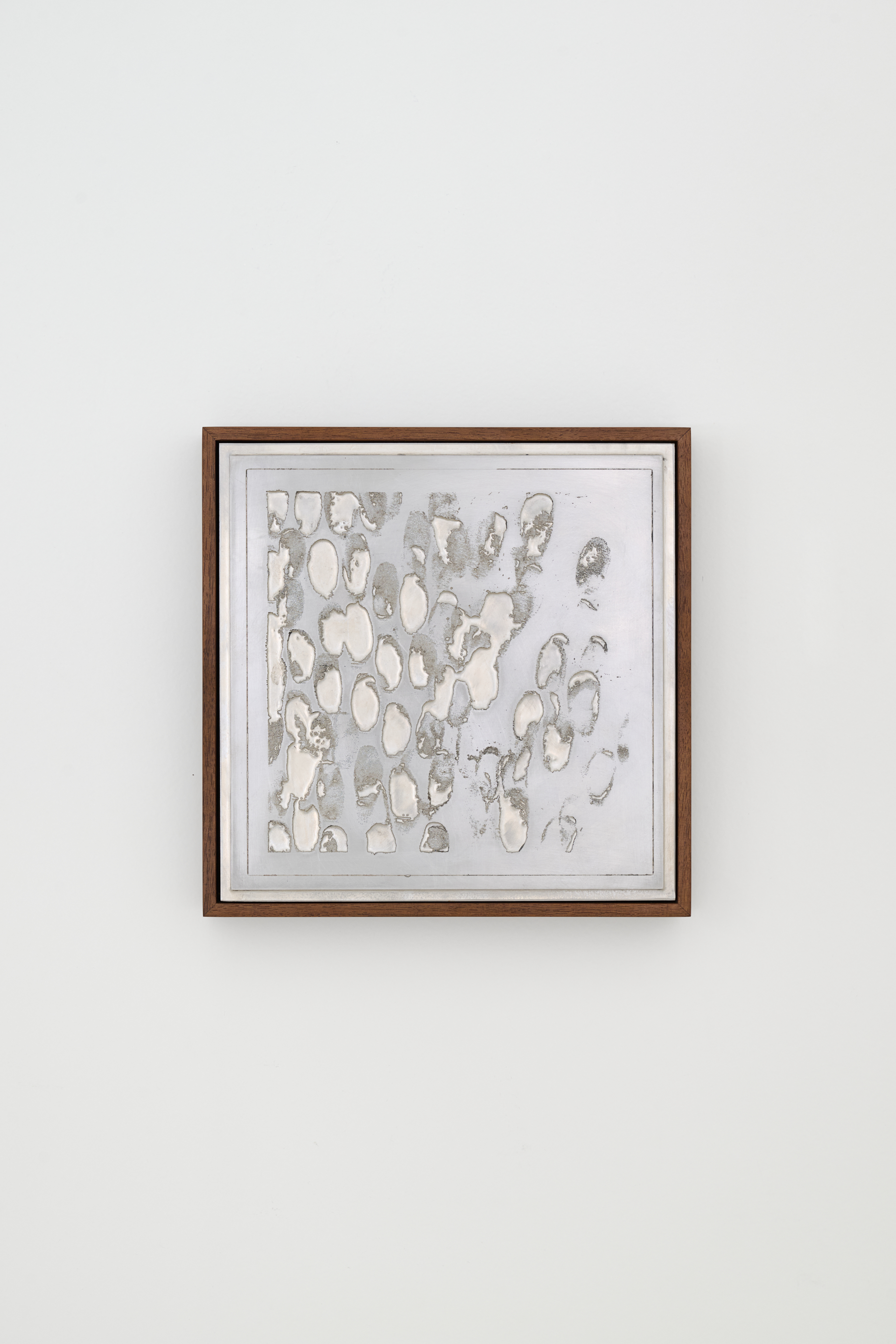
Il punto di partenza curatoriale si fonda sull'idea che la materia non sia mai veramente inerte, ma piuttosto attraversata da risonanze, capacità di reazione, memorie e processi di trasformazione. Nel testo che accompagna la mostra, Iodice evoca un pensiero che unisce antropomorfismo, pratiche somatiche ed ecologia, suggerendo che il corpo umano e il paesaggio condividano una stessa sostanza sensibile: siamo, in fondo, "minerali, corpo, mondo". Da qui scaturisce una mostra che invita a percepire il naturale e il "più-che-umano" non come un semplice sfondo, ma come una presenza attiva, un interlocutore e una forza con cui entrare in relazione.
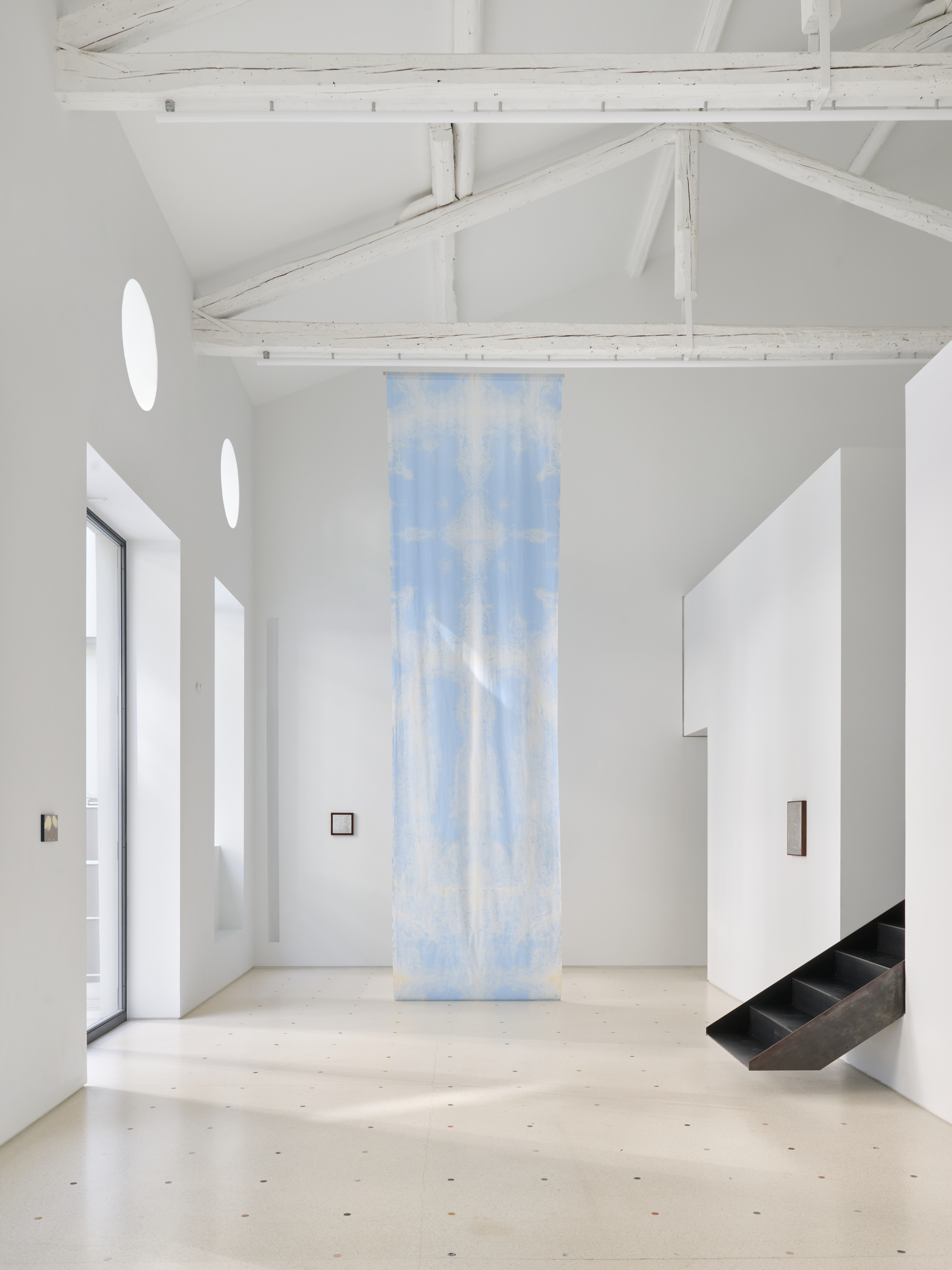
Le opere esposte articolano questa prospettiva attraverso linguaggi diversificati: pittura, scultura, installazione e video, con un'attenzione comune al contatto, alla reciprocità e alla trasformazione. Nelle incisioni su metallo di Kesewa Aboah, il corpo diventa superficie di deposito e di memoria. Nella pratica di Alberte Agerskov, invece, è la relazione tra la calce del marmo e l'acidità dell'acqua a rendere visibile una trasformazione lenta e reciproca, in cui la distinzione netta tra agente e reagente si dissolve. In entrambi i casi, la materia non è un supporto passivo, ma il luogo stesso in cui l'incontro lascia una traccia indelebile.
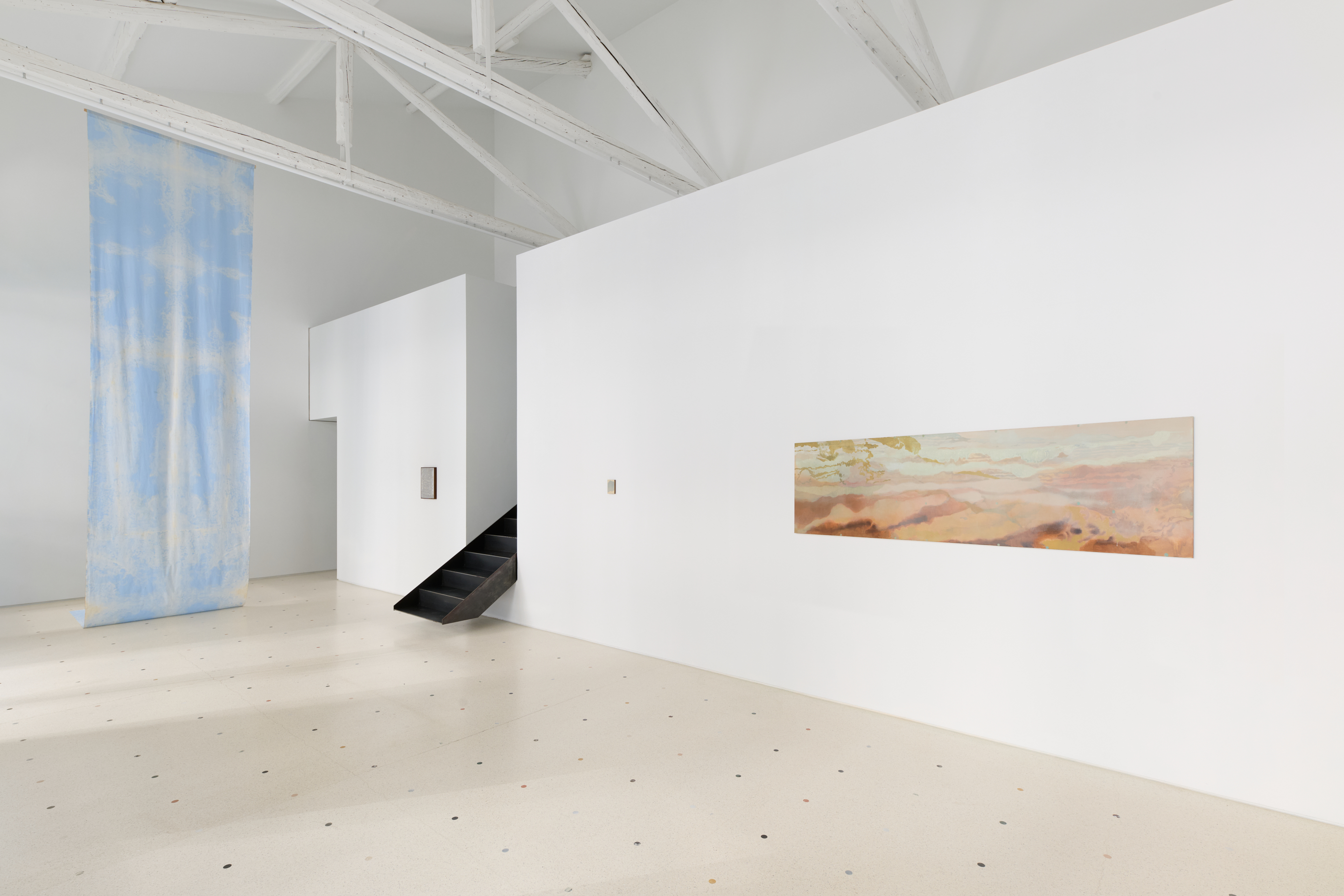
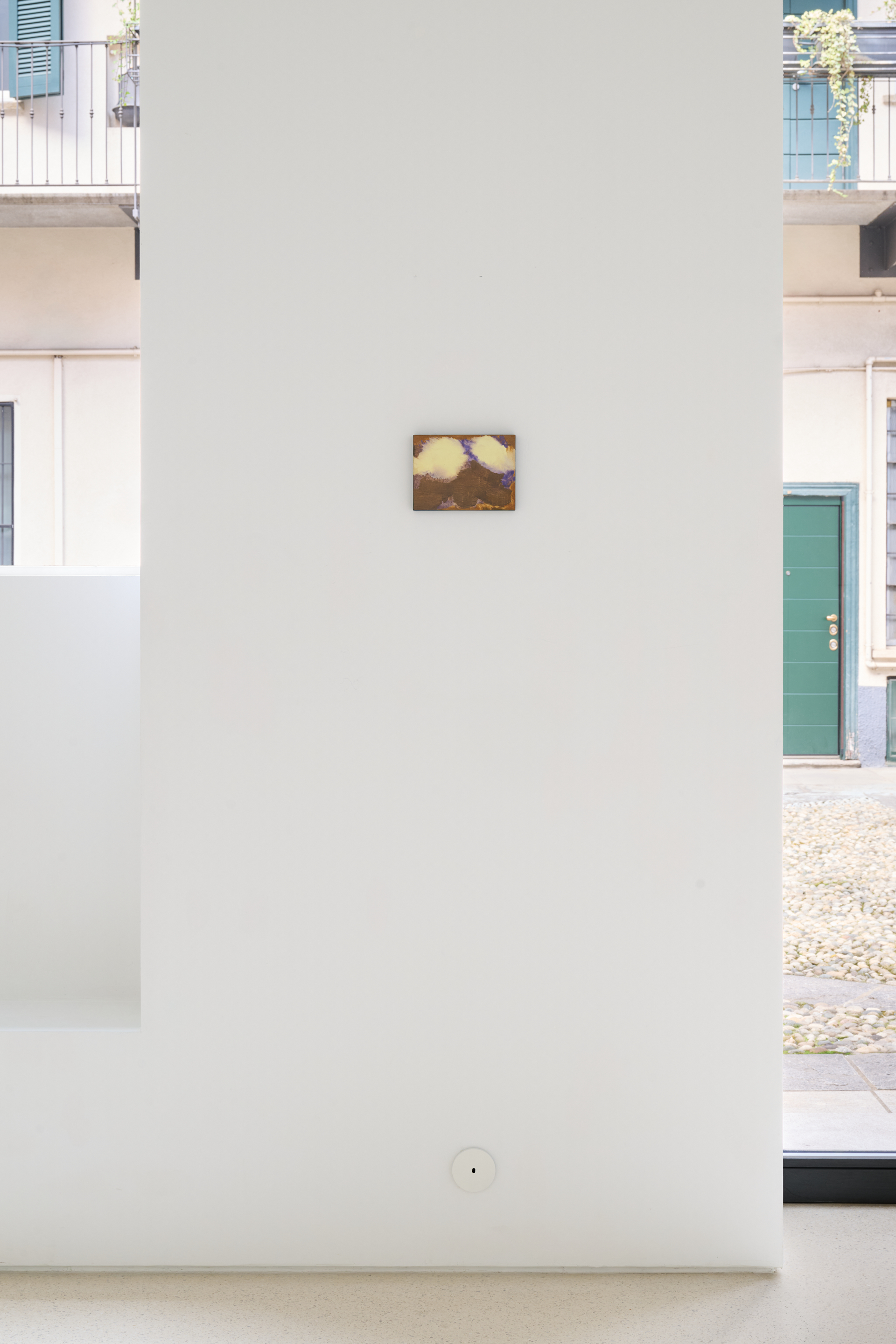
Questa concezione di co-autorialità si radicalizza nel lavoro di Aléa Work, dove il micelio interviene nel processo come forza attivante, capace di modificare il tessuto e di ridefinire il modo in cui i materiali vengono utilizzati, interpretati e valorizzati. Nei dipinti di Dimitra Charamandas, invece, la geologia assume una qualità quasi corporea: fratture del suolo, flussi d'acqua e pendii si trasformano in forme affettive, topografie liminali in cui terra e corpo sembrano specchiarsi. È una pittura che non si limita a descrivere il paesaggio, ma lo restituisce come zona sensibile, come condensazione emotiva e politica.
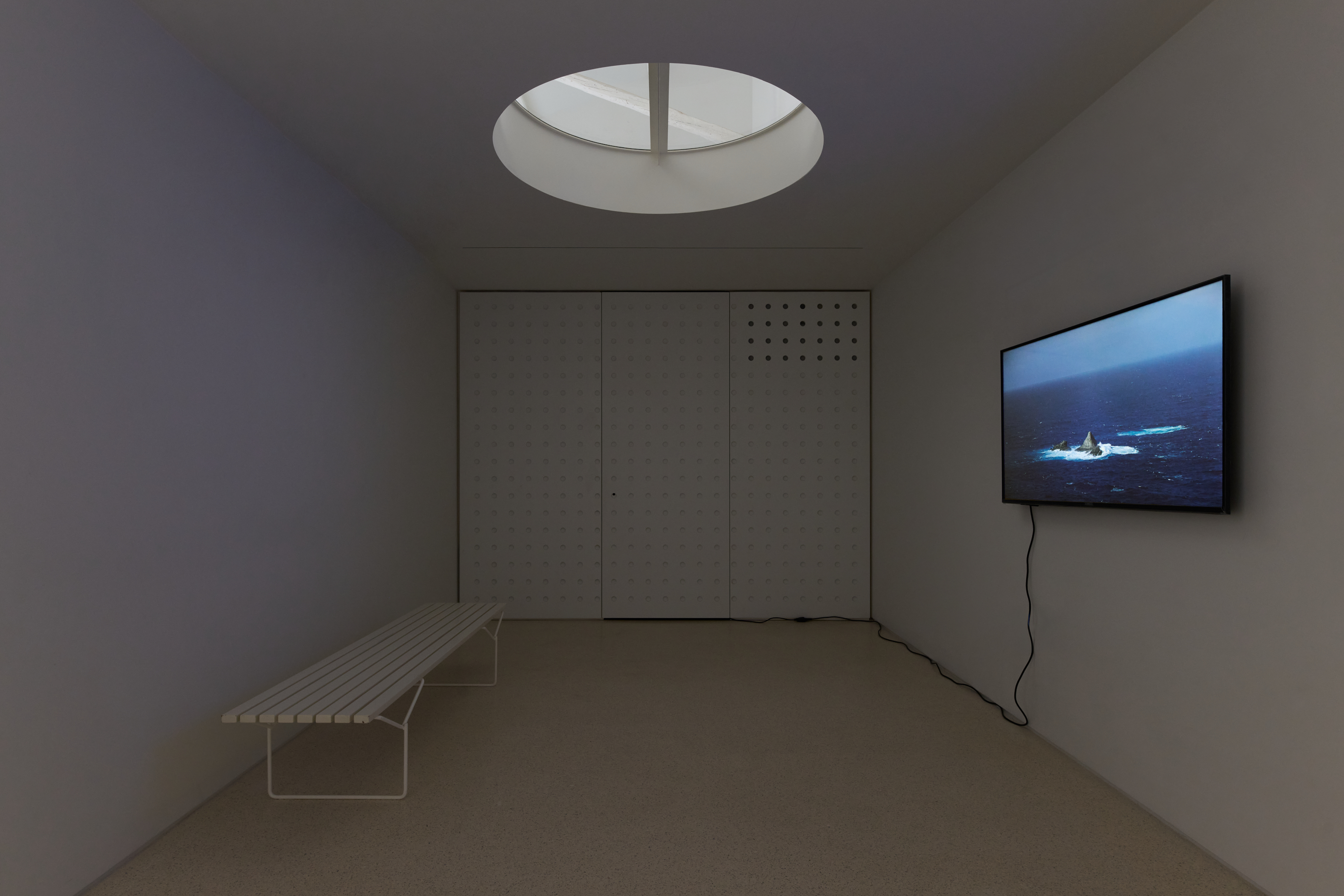
A concludere il percorso è il video di Diana Policarpo, che affida la narrazione a una piccola isola dell'arcipelago delle Selvagens, trasformandola in soggetto narrante. In When the Sea Swallows (2022), mito, mutamento ambientale e relazioni interspecie si intrecciano in una prospettiva eco-centrica che sposta il punto di vista umano dal centro del discorso. È uno spostamento fondamentale, perché chiarisce bene la direzione dell'intera mostra: non si tratta di rappresentare la natura, ma di interrogare le forme di convivenza, dipendenza e vulnerabilità che ci legano a essa.
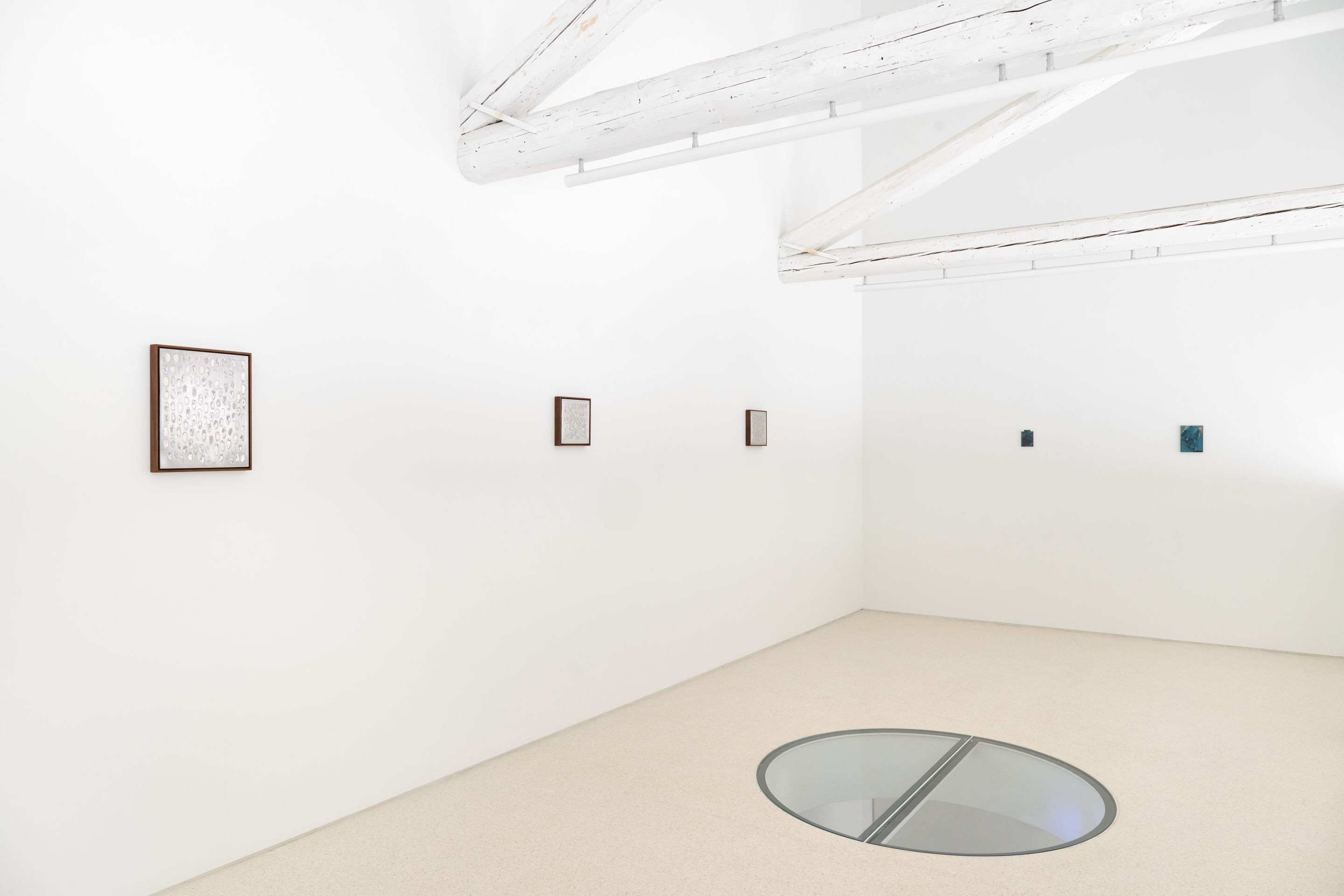
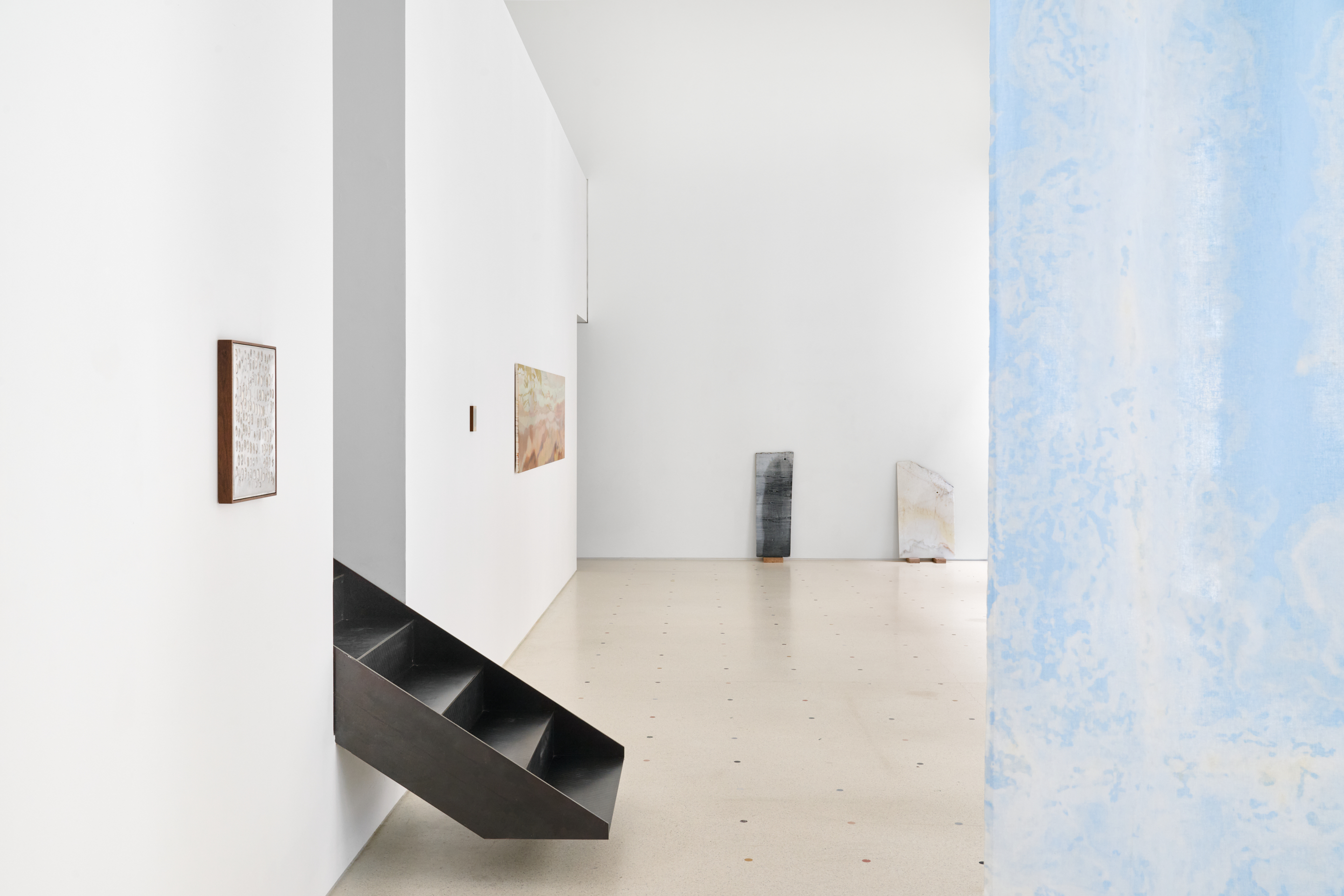
In questo senso, Porous Kinship si inserisce con coerenza nella ricerca di Artopia, galleria attenta alle pratiche site specific e alle intersezioni tra ecosistemi geografici, culturali ed emotivi. La mostra è stata concepita in stretta relazione con l'architettura dello spazio e si sviluppa come un racconto capace di attivare il luogo stesso. Il risultato è una collettiva compatta ma stratificata che evita il tono meramente illustrativo per aprire una riflessione più ampia sulla possibilità di sentire il mondo non come qualcosa di esterno da osservare, ma come una materia viva di cui siamo già parte integrante.
Porous Kinship: Five Artists Rethink the Relationship Between Body and World, on Display in Milan
At the heart of Porous Kinship, the group exhibition hosted by Artopia in Milan, lies the concept of porosity. This is not viewed as a mere material property, but as a fundamental existential condition: the idea that the body is not an isolated entity, but constantly permeated and influenced by its surrounding environment. It is from this dynamic perspective that the new exhibition, curated by Maddalena Iodice, takes shape, running from March 19 to May 8, 2026, at the venue on via Lazzaro Papi 2. Here, five international artists — Kesewa Aboah, Alberte Agerskov, Aléa Work, Dimitra Charamandas, and Diana Policarpo — construct an artistic journey that highlights the intrinsic link between the body, the environment, and ecological imagination.
The curatorial starting point is based on the idea that matter is never truly inert, but rather traversed by resonances, responsive capacities, memories, and transformative processes. In the exhibition's accompanying text, Iodice evokes a thought that unites anthropomorphism, somatic practices, and ecology, suggesting that the human body and the landscape share a common sensitive substance: we are, ultimately, "minerals, body, world." From this premise, the exhibition invites viewers to perceive the natural and the "more-than-human" not as a mere backdrop, but as an active presence, an interlocutor, and a force with which to engage in relationship.
The works gathered in the exhibition articulate this perspective through diverse artistic languages: painting, sculpture, installation, and video, all sharing a common focus on contact, reciprocity, and transformation. In Kesewa Aboah's metal engravings, the body becomes a surface for deposit and memory. In Alberte Agerskov's practice, on the other hand, the relationship between marble lime and water acidity makes visible a slow and reciprocal transformation, blurring the clear distinction between agent and reactant. In both cases, matter is not a passive support but the very place where encounter leaves its indelible mark.
This idea of co-authorship becomes radicalized in Aléa Work's pieces, where mycelium enters the process as an activating force, capable of modifying fabric and redefining how materials are used, interpreted, and valued. In Dimitra Charamandas's paintings, however, geology takes on an almost corporeal quality: soil fractures, water flows, and slopes become affective forms, liminal topographies where earth and body seem to mirror each other. It is a form of painting that does not merely describe the landscape but renders it as a sensitive zone, an emotional and political condensation.
Concluding the exhibition is Diana Policarpo's video, which entrusts its narration to a small island in the Selvagens archipelago, transforming it into a storytelling subject. In When the Sea Swallows (2022), myth, environmental change, and interspecies relationships intertwine in an eco-centric perspective that shifts the human viewpoint away from the center of the discourse. This is a fundamental shift, as it clearly defines the direction of the entire exhibition: it is not about representing nature, but about questioning the forms of coexistence, dependence, and vulnerability that bind us to it.
In this sense, Porous Kinship coherently aligns with Artopia's ongoing research, a gallery known for its focus on site-specific practices and the intersections between geographical, cultural, and emotional ecosystems. The exhibition was conceived in close relation to the architectural space and unfolds as a narrative capable of activating the venue itself. The result is a compact yet layered group show that avoids a merely illustrative tone to open up a broader reflection on the possibility of experiencing the world not as something external to observe, but as a living matter of which we are already an integral part.
Novedades — Society
La participación cultural: más allá de la mera asistencia, la necesidad de compartir el poder
```html La participación cultural: más allá de la mera asistencia, la necesidad de compartir el poder La participación se ha convertido en un término ubicuo, presente en convocatorias, proyectos europeos, programas culturales y planes de regeneración urbana. Se presenta como un
David Hockney's Monumental 12-Meter Print Heads to Christie's Auction
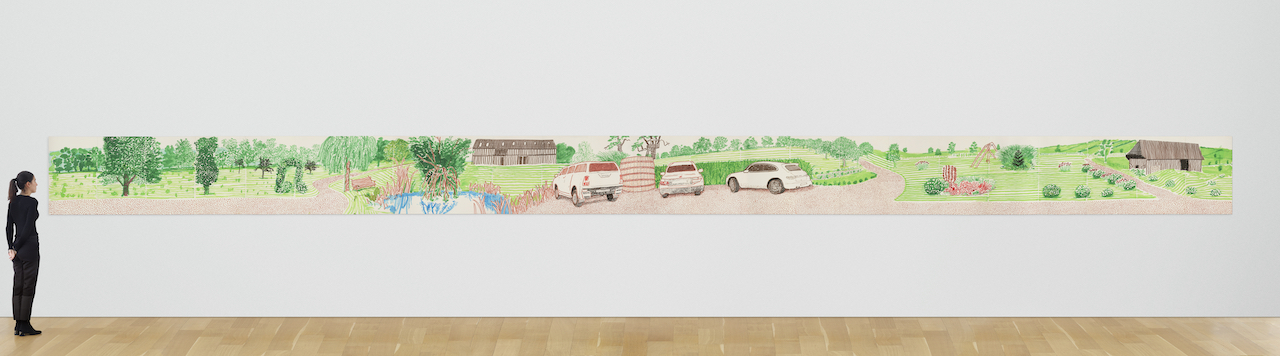
A truly unique lot is being offered by Christie's, available online from March 17 to 31, and on display at the major London galleries until March 31. This remarkable piece is one of David Hockney's largest creations, a staggering 12 meters long, printed on a single sheet of paper, and his most

El Greco Masterpiece Uncovered in Vatican: Hidden Under a Forgery
Art history is frequently punctuated by unexpected and serendipitous discoveries. Among these is the latest revelation from the Vatican Museums, where a routine conservation intervention has brought to light an authentic painting by El Greco, which had remained invisible for decades beneath a

Modena's Gate26A Hosts Aleksandr Nuss's Art: Where Matter Erodes and Light Reveals
Modena offers a serene escape from the vibrant chaos of nearby Bologna, presenting itself as an ordered and pristine city, a tranquil setting for everyday life. Within this calm environment, an independent space named Gate26A, founded by a collective of four individuals, injects a dynamic ener

Peggy Guggenheim's London Years: The Birth of a Collector in Venice Exhibition
Many are unaware of a crucial, often overlooked chapter in the life of Peggy Guggenheim, the visionary who transformed a palazzo on the Grand Canal into a bastion of modernism: her entrepreneurial venture with the Guggenheim Jeune gallery in London. The exhibition, Peggy Guggenheim in London: B
Selvatica 2026 in Biella: Art and Nature in Dialogue, Featuring Historical Authors and New Talents
The eleventh edition of Selvatica – Art and Nature in Festival, a biennial event held in Piazzo, Biella's historic district, has commenced and will run until July 19, 2026. The festival aims to foster a dialogue between artistic languages, scientific research, and educational practices to crea