DÉTAILS: Fallen Sun Aosta by Gio' Pomodoro at Castello Gamba
Castello Gamba – the Museum of Modern and Contemporary Art of Valle d'Aosta – is hosting "DÉTAILS. Sole caduto Aosta. Gio’ Pomodoro". This exhibition, curated by Stefano Bruzzese, refocuses attention on the profound relationship between the Marche-born master and the Valle d'Aosta region. Deve
Castello Gamba – the Museum of Modern and Contemporary Art of Valle d'Aosta – is hosting "DÉTAILS. Sole caduto Aosta. Gio’ Pomodoro". This exhibition, curated by Stefano Bruzzese, refocuses attention on the profound relationship between the Marche-born master and the Valle d'Aosta region. Developed in collaboration with Bruto Pomodoro and the Gio’ Pomodoro Archive, the exhibition is part of the DÉTAILS series, promoted by the regional Superintendence led by Viviana Maria Vallet, and stems from a dialogue with the museum's permanent collection.
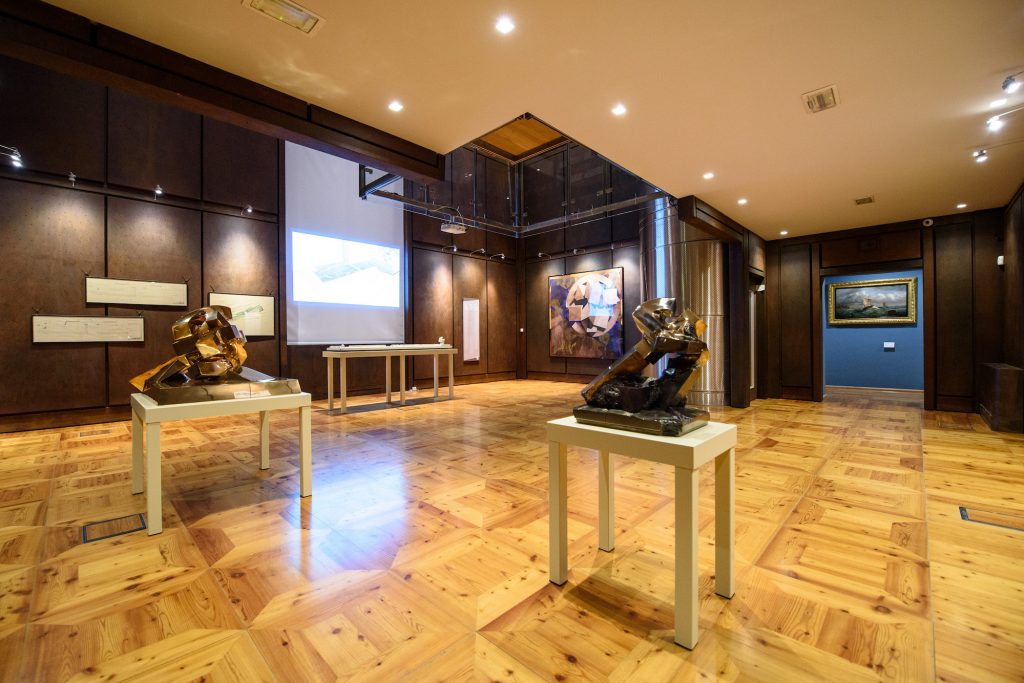
For Gio’ Pomodoro (Orciano di Pesaro, 1930 – Milan, 2002), the sun was far more than an iconographic theme. Since the 1970s, with his Sole produttore-Comune raccolto (Producer Sun – Common Harvest) series, it became a generative principle and cosmic measure: a symbol of life, natural rhythms, and cyclicality. This celestial body transformed from a physical element into a mental and sculptural architecture, an emblem of research that blended craftsmanship, thought, and myth. Pomodoro himself described it as "this enormous, extraordinary factory without owners that allows life on our planet." The exhibition at Castello Gamba is structured around this theme: the sun as an ethical architecture, a generator of form and meaning, and a point of equilibrium between matter and light.
Valle d'Aosta holds a specific place in the artist's history. It was here that Sole serpente (Serpent Sun) was created, Pomodoro's only steel work. Cast in the DeltaCogne steelworks in Verrès, it was presented at the Venice Biennale in 1988, marking the only official participation of an Italian region with its own pavilion. The work, in its patinated steel version now part of Castello Gamba's collections, will be displayed alongside its Carrara marble model, underscoring the connection between industry, craftsmanship, and poetic vision.
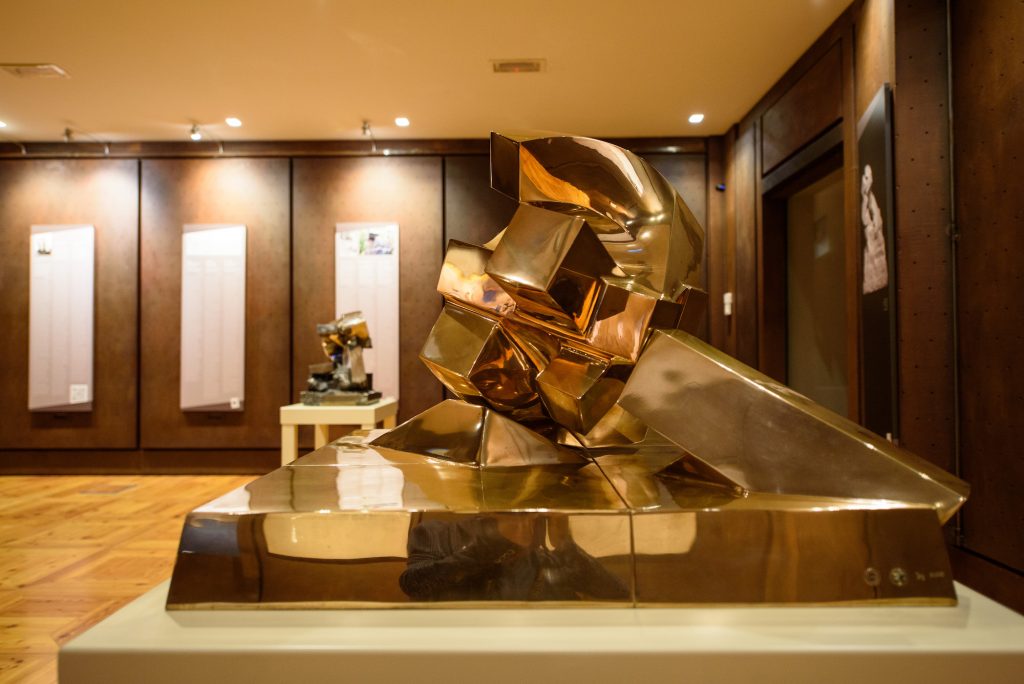
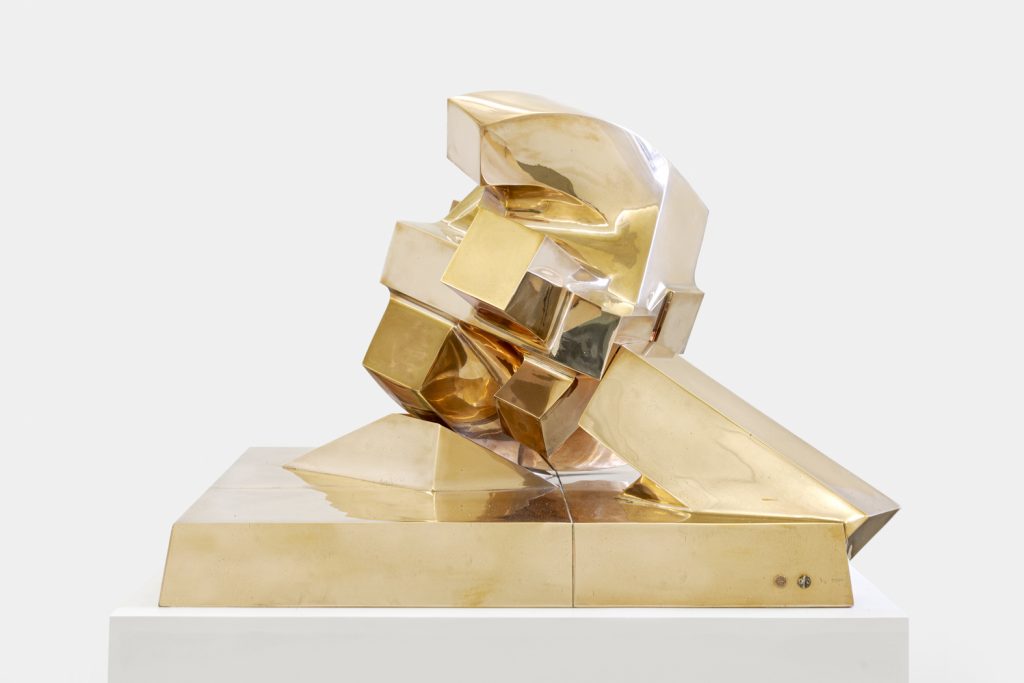
In dialogue with Sole serpente is il Sole caduto Aosta (Fallen Sun Aosta) (1998-2002) in Trani marble. Here, the sun is no longer ascending but has been laid down, almost contemplated in its final repose. This piece is a study for the unfinished project for Piazza Roncas in Aosta, conceived by Pomodoro following his 1998 solo exhibition. Curator Stefano Bruzzese reconstructs the phases of this project and the reasons for its non-realization, presenting the public with a piece of Italian art history that has never been fully told.
The exhibition unveils five previously unshown works from the Castello Gamba storerooms. Among these are the large marble model for Piazza Roncas and four preparatory ink drawings, juxtaposed with the polished bronze version of Sole Aosta (private collection). Together, they reconstruct the genesis of an urban project that would have transformed the heart of Aosta into a "sculpted place," fully embodying the artist's vision.
Completing the exhibition is the watercolor Solvecchio (1998), created for Cairo in 1998. This work translates light into chromatic vibration, a sign of the continuous dialogue between painting and sculpture, gesture and thought. It also reinforces the connection with the region, as this watercolor was exhibited in Aosta before being sent to Cairo, signifying the affectionate relationship Gio’ Pomodoro cultivated with Valle d'Aosta over the years.
Gio’ Pomodoro's work is a constant balance between abstraction and narrative, energy and measure. An informal sculptor but never devoid of ethics, Pomodoro weaves literature, music, and philosophy into his works, making form a shared language.
"DÉTAILS. Sole caduto Aosta" offers an opportunity to rediscover, in the heart of Valle d'Aosta, one of the most intense and poetic moments of twentieth-century Italian sculpture.
Novedades — Society
La participación cultural: más allá de la mera asistencia, la necesidad de compartir el poder
```html La participación cultural: más allá de la mera asistencia, la necesidad de compartir el poder La participación se ha convertido en un término ubicuo, presente en convocatorias, proyectos europeos, programas culturales y planes de regeneración urbana. Se presenta como un
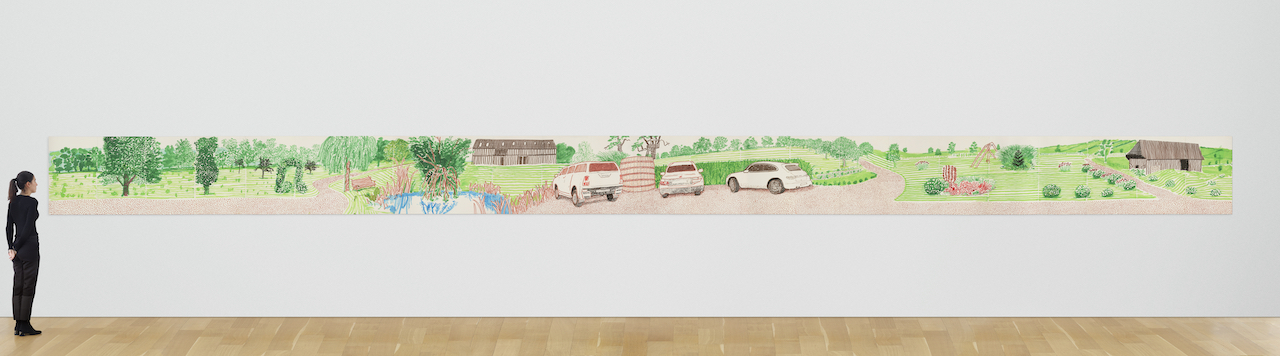
David Hockney's Monumental 12-Meter Print Heads to Christie's Auction
A truly unique lot is being offered by Christie's, available online from March 17 to 31, and on display at the major London galleries until March 31. This remarkable piece is one of David Hockney's largest creations, a staggering 12 meters long, printed on a single sheet of paper, and his most

El Greco Masterpiece Uncovered in Vatican: Hidden Under a Forgery
Art history is frequently punctuated by unexpected and serendipitous discoveries. Among these is the latest revelation from the Vatican Museums, where a routine conservation intervention has brought to light an authentic painting by El Greco, which had remained invisible for decades beneath a

Modena's Gate26A Hosts Aleksandr Nuss's Art: Where Matter Erodes and Light Reveals
Modena offers a serene escape from the vibrant chaos of nearby Bologna, presenting itself as an ordered and pristine city, a tranquil setting for everyday life. Within this calm environment, an independent space named Gate26A, founded by a collective of four individuals, injects a dynamic ener

Peggy Guggenheim's London Years: The Birth of a Collector in Venice Exhibition
Many are unaware of a crucial, often overlooked chapter in the life of Peggy Guggenheim, the visionary who transformed a palazzo on the Grand Canal into a bastion of modernism: her entrepreneurial venture with the Guggenheim Jeune gallery in London. The exhibition, Peggy Guggenheim in London: B
Selvatica 2026 in Biella: Art and Nature in Dialogue, Featuring Historical Authors and New Talents
The eleventh edition of Selvatica – Art and Nature in Festival, a biennial event held in Piazzo, Biella's historic district, has commenced and will run until July 19, 2026. The festival aims to foster a dialogue between artistic languages, scientific research, and educational practices to crea