Control Dissolves in Sleep: A Delegated Exhibition at Mondoromulo
At Mondoromulo contemporary art gallery's project room in Castelvenere, Benevento, "Nuova Gestione" by Vincenzo D’Argenio and Fabrizio De Cunto will be on display until May 2nd. The two artists, born in 1982 and 1987 respectively, have created a long-distance dialogue exploring sleep, parenthood, and transformation. This collaborative project challenges the concept of authorship, reinterpreting limits as a method and delegation as a creative practice.
There exists a form of time that doesn't progress linearly but through accumulation, suspension, and returns. It is within this extended temporality that "Nuova Gestione" takes shape. This shared project by D’Argenio and De Cunto was born from a geographically distant yet conceptually close relationship. Between Bologna and Benevento, their exchange unfolded as a slow process of sending, waiting, and subsequent reworking – less of a direct dialogue and more of a sedimentation process.
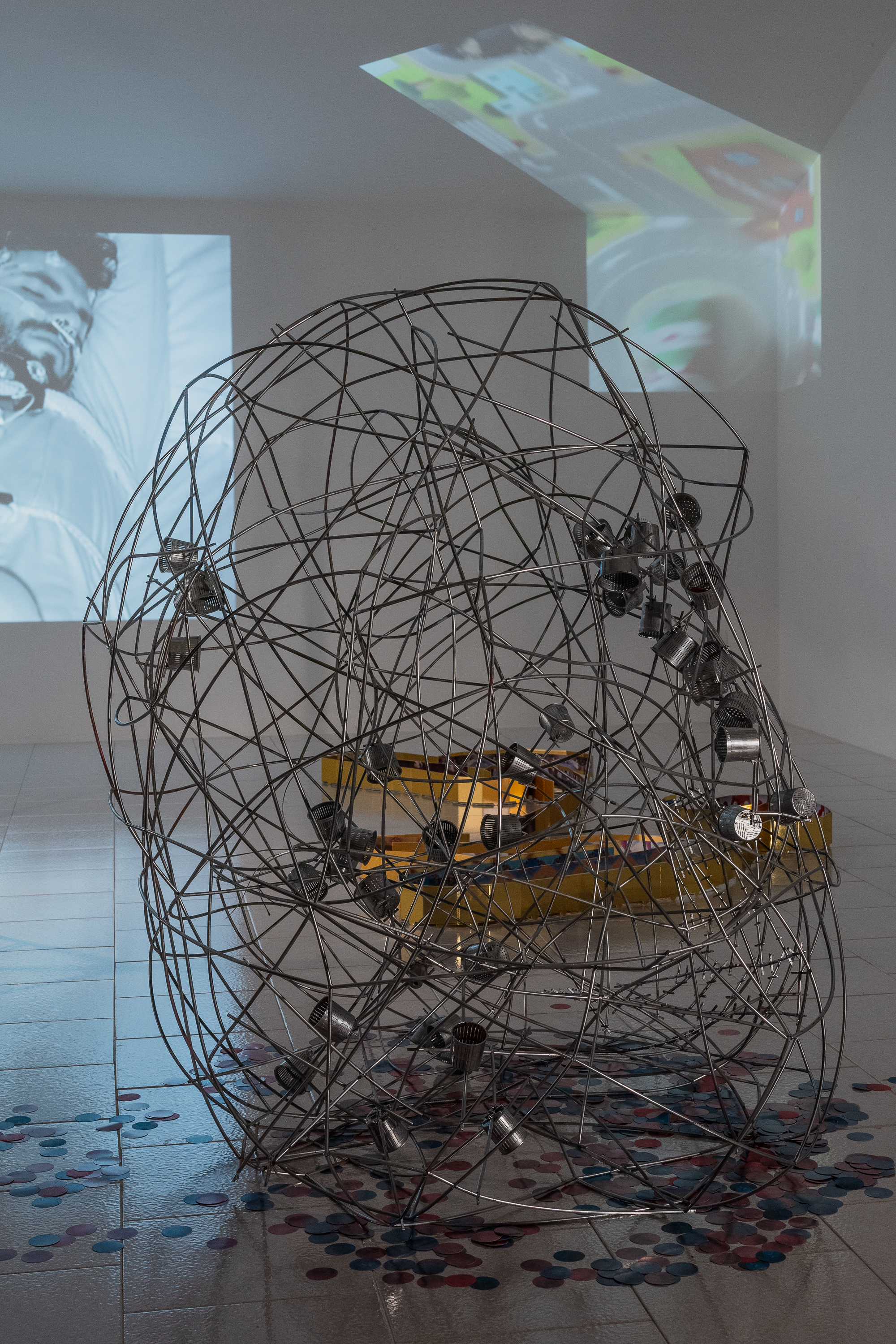
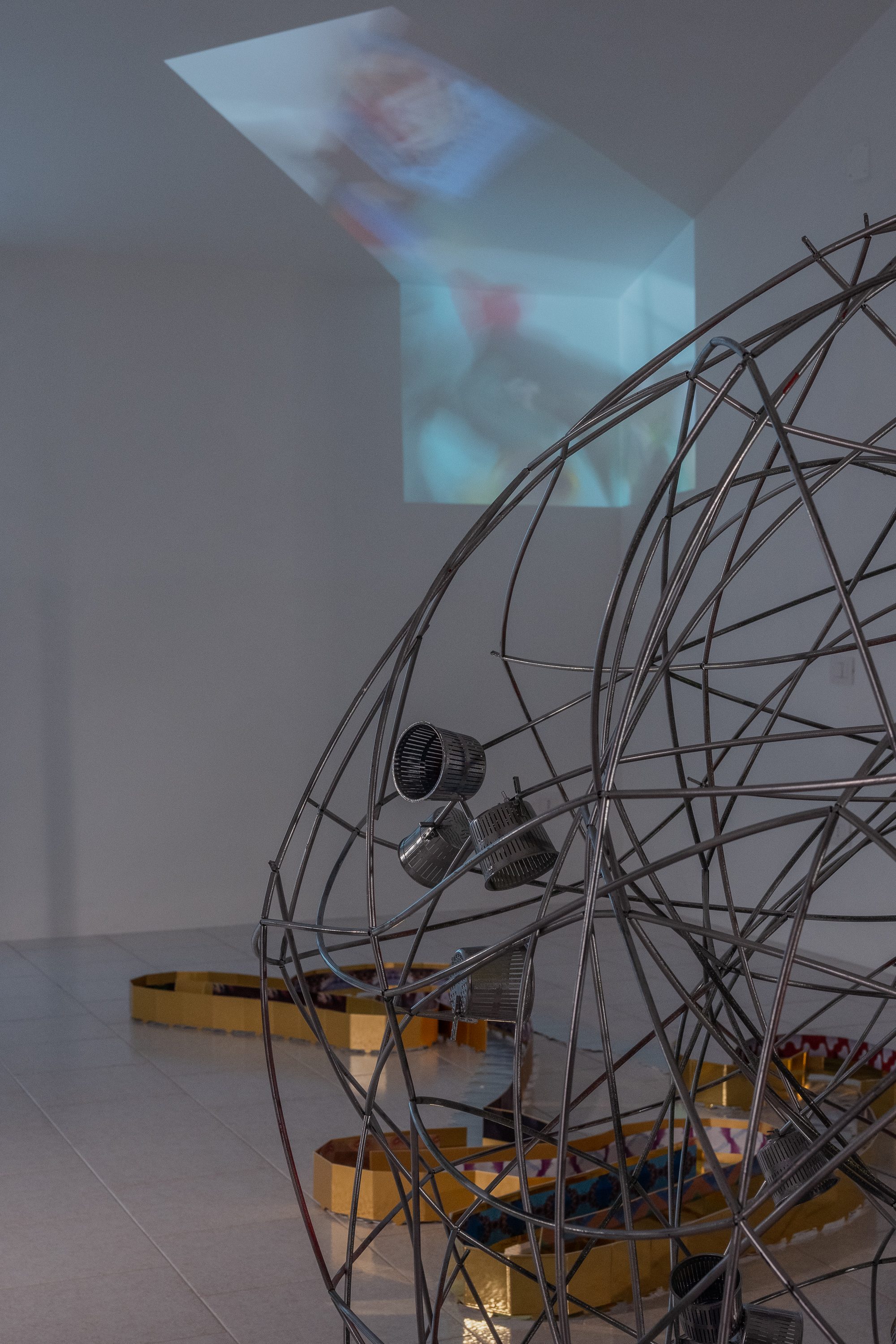
The operation begins with the theme of sleep, which serves as the mechanism through which this relationship becomes visible. Sleep, understood as a state of suspension and invisible reorganization, mirrors the project's very nature: a dimension where control loosens and images emerge from non-linear processes.
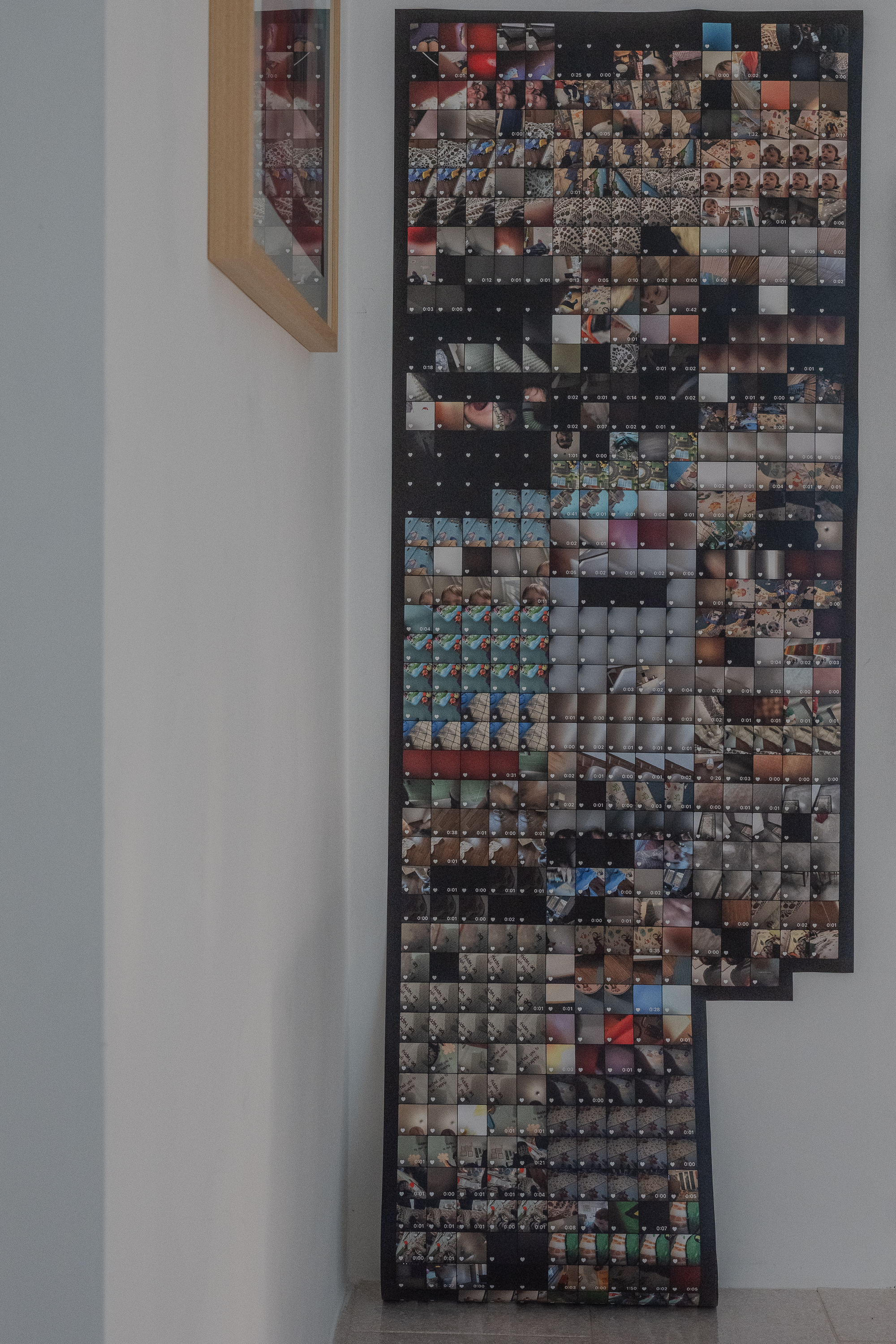
D’Argenio's work opens with polysomnography: the sleeping body is recorded through physiological parameters, translating intimate experience into data and vulnerability into graphs. Alongside this technical-scientific dimension is a radical gesture: delegation. Videos created by the artist's children using his smartphone introduce a disjointed, random perspective, akin to the logic of dreams. Adult authorship recedes, ceding control to an external, unpredictable viewpoint.
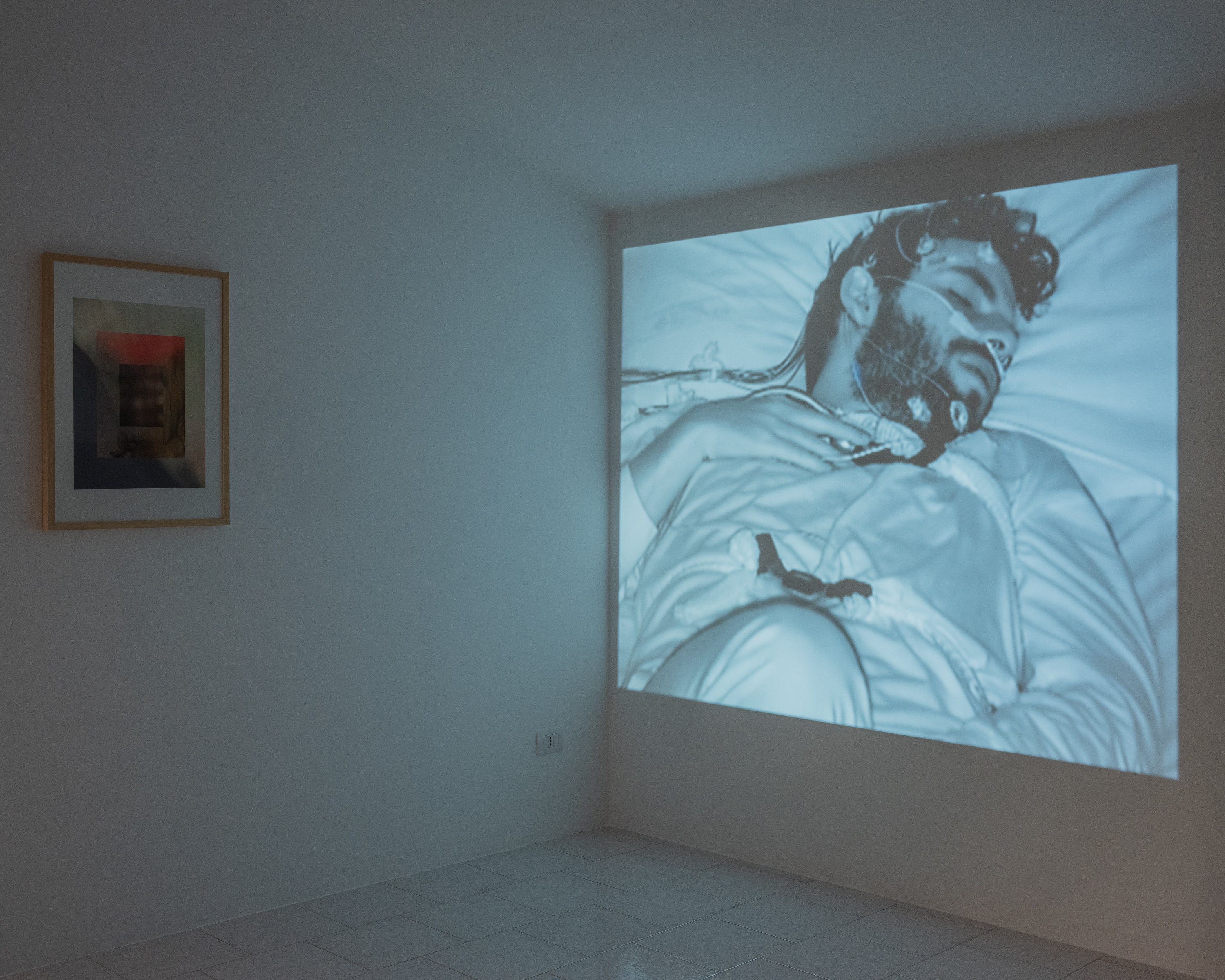
Two prints also emerge from this accidental archive, which becomes a shield: images produced "by mistake" that transform into formal material, marking a decisive shift. This is not merely a linguistic choice but an existential condition. Artistic practice confronts parenthood and a necessary redefinition of priorities, transforming limitations into generative possibilities.
De Cunto, known as Faffiffio, intervenes in this space, absorbing and reworking the materials, amplifying their implications. His sculptures introduce a seemingly light, playful dimension. The "rotola-campi" (rolling field), a plant capable of scattering seeds in space, becomes a metaphor for propagation: the seeds are visual fragments, confetti of frames derived from polysomnography, now dispersed and ready for new configurations.
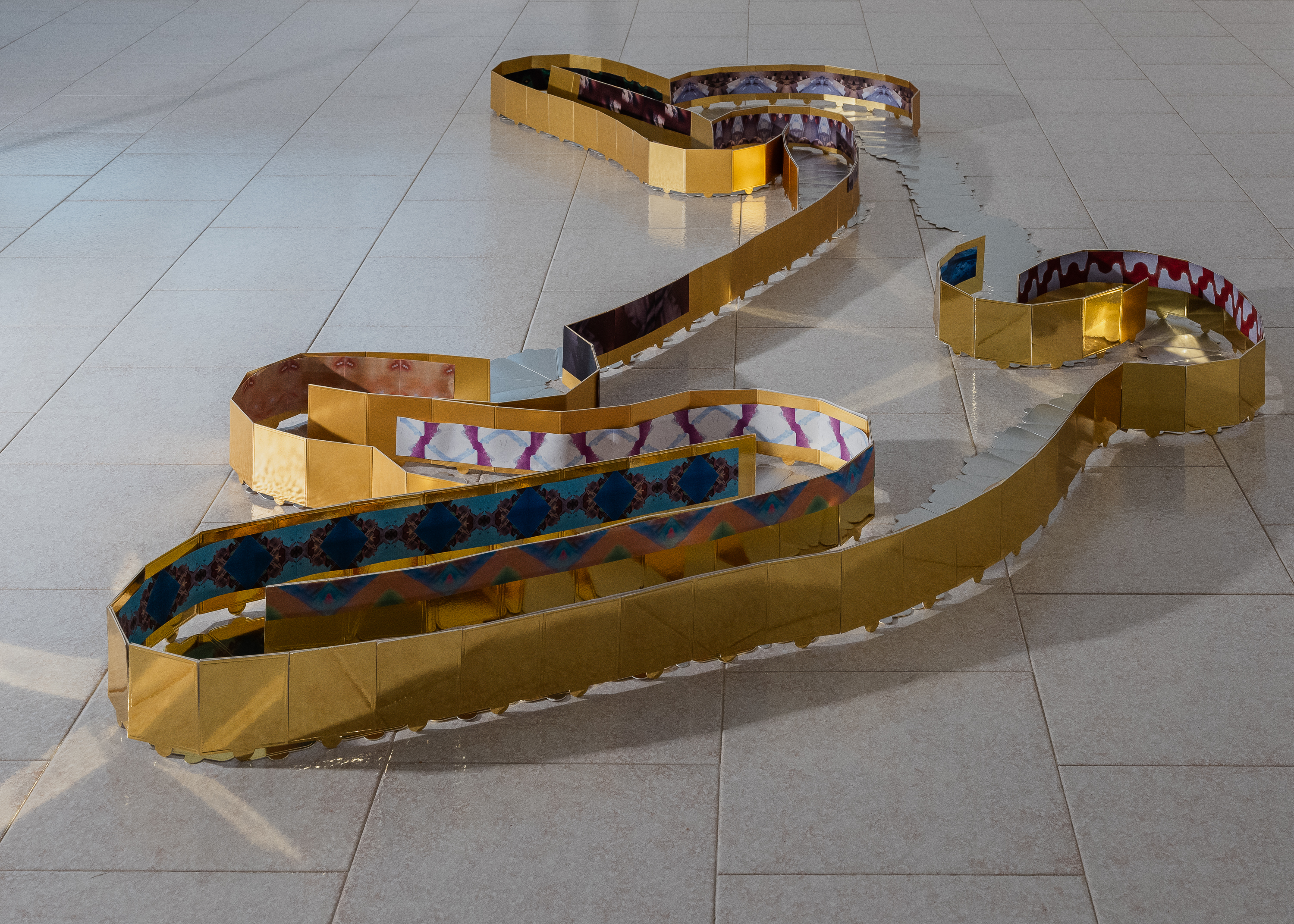
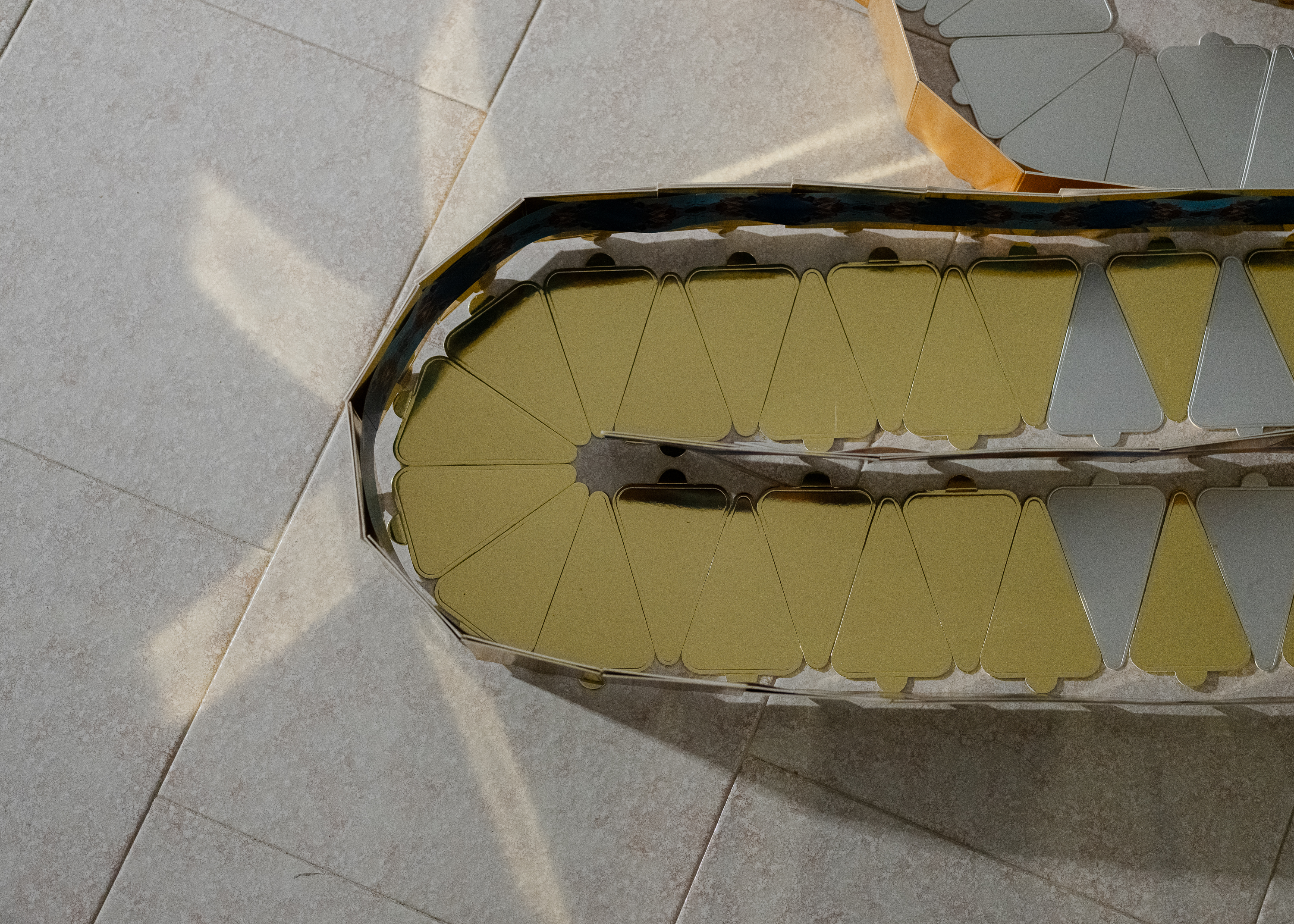
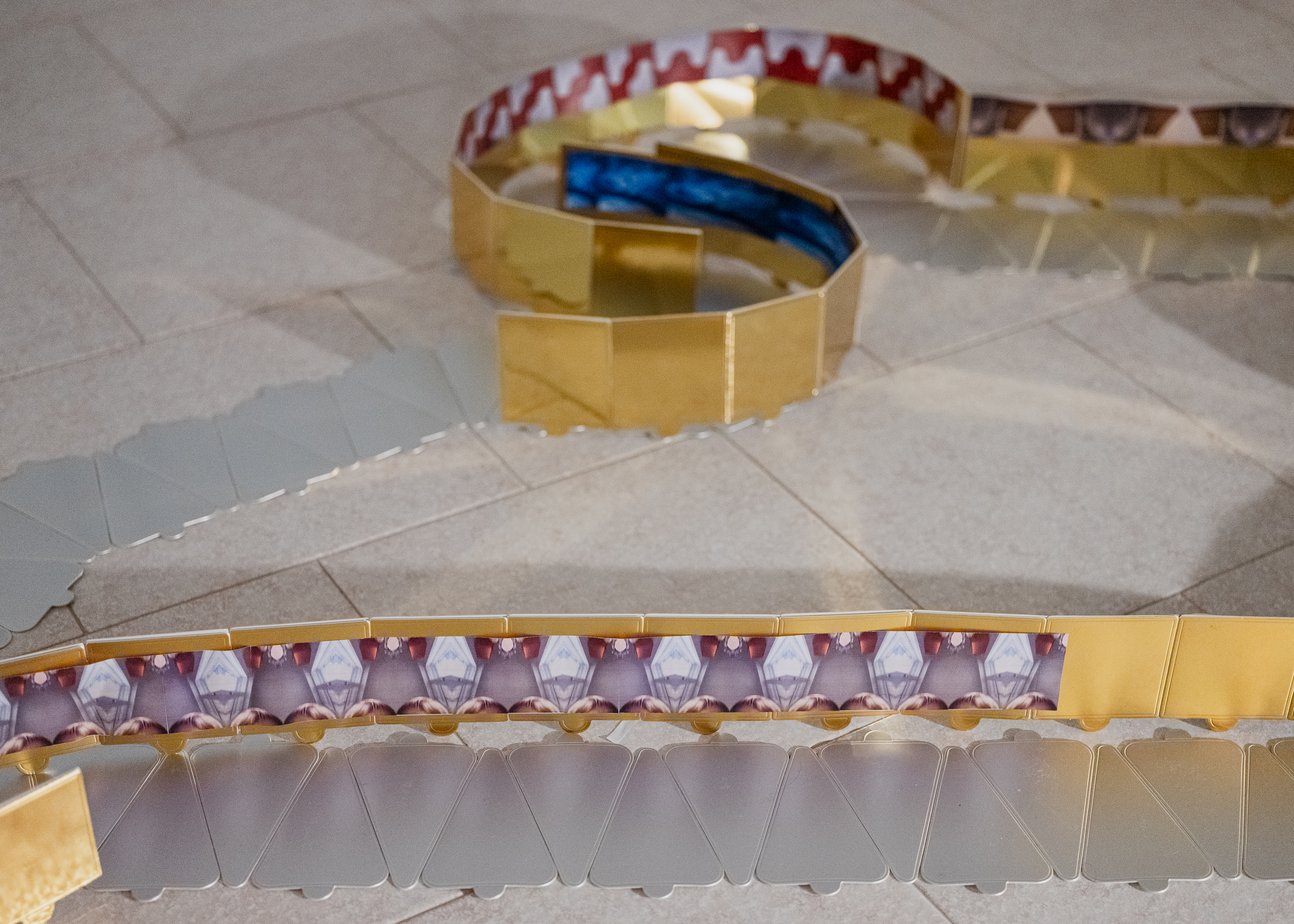
A small model, resembling a racetrack or a micro-gallery, displays stills from the children's videos. Here, the work folds in on itself, replicating the exhibition device and suggesting an exhibition within the exhibition. De Cunto does not merely transform the images; he preserves their symbolic dimension, recognizing the project as a biographical threshold, a moment of transition.
The process thus unfolds through successive shifts: from the body to data, from data to image, and its dissemination, culminating in the reorganization of everything within the space. The "management" continuously changes hands, crossing subjects, devices, and roles.
"Nuova Gestione" is therefore not just a title but an operational and existential condition. The project room is configured as an unstable ecosystem, where each element is already predisposed to further transformations. It is a place where change, even before being declared, is put into practice.
Finally, we asked the artists a few questions.
How did "Nuova Gestione" come about?
Vincenzo D’Argenio: "It developed gradually, without a defined idea from the start. The distance slowed down the process, but at the same time made it richer and more complex. Each phase required time to be assimilated and reworked."
Fabrizio De Cunto: "It was a journey of accumulation. There wasn't a linear confrontation, but rather a series of progressive steps, where one person's work became the starting point for the other."
The theme of delegation is central. How did it become part of the project?
VDA: "It emerged spontaneously, linked to my personal situation. When I realized that the moments when the phone ended up in my children's hands generated images of everyday life from their perspective, which I found wonderful, it led to a profound shift in my concept of authorship."
FDC: "This transition became fundamental. I was interested in understanding how that material could evolve, be reorganized, while still retaining its origin."
What role does the project room space play?
VDA: "Mondoromulo's project room, for which we are grateful for their patience and support given the production and exchange timelines between Faffi and me, offered us a contained environment that favors a suspended dimension, similar to that of sleep."
FDC: "It's also an active tool. The model was born precisely from this idea: to reproduce the exhibition space and integrate it into the artwork itself."
Is sleep a metaphor or a concrete element?
VDA: "It's both. The polysomnography is real data, but it also opens up reflection on what escapes control."
FDC: "Sleep represents the project's model: a condition in which images reorganize themselves without central direction."
What would you like the public to take away?
VDA: "That the work is not definitive, but continuously changing."
FDC: "That every image is already a phase of transition, not a conclusion."
Novedades — Society
La participación cultural: más allá de la mera asistencia, la necesidad de compartir el poder
```html La participación cultural: más allá de la mera asistencia, la necesidad de compartir el poder La participación se ha convertido en un término ubicuo, presente en convocatorias, proyectos europeos, programas culturales y planes de regeneración urbana. Se presenta como un
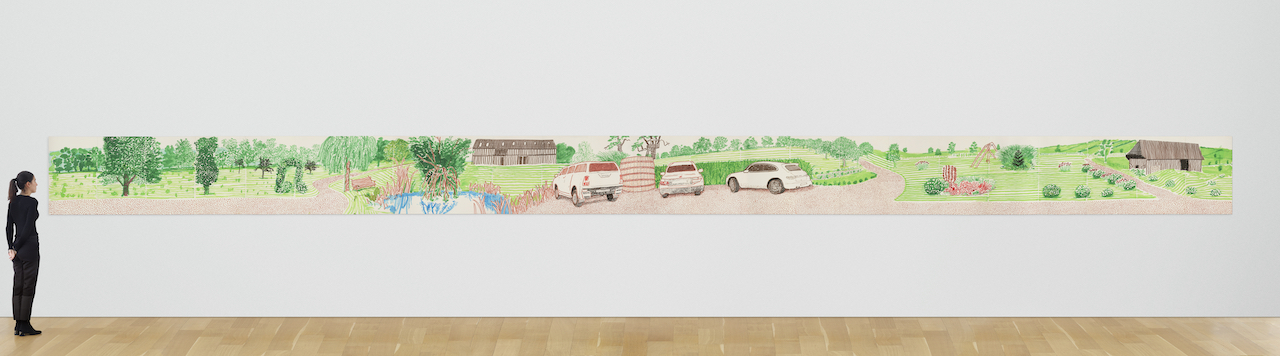
David Hockney's Monumental 12-Meter Print Heads to Christie's Auction
A truly unique lot is being offered by Christie's, available online from March 17 to 31, and on display at the major London galleries until March 31. This remarkable piece is one of David Hockney's largest creations, a staggering 12 meters long, printed on a single sheet of paper, and his most
El Greco Masterpiece Uncovered in Vatican: Hidden Under a Forgery
Art history is frequently punctuated by unexpected and serendipitous discoveries. Among these is the latest revelation from the Vatican Museums, where a routine conservation intervention has brought to light an authentic painting by El Greco, which had remained invisible for decades beneath a
Modena's Gate26A Hosts Aleksandr Nuss's Art: Where Matter Erodes and Light Reveals
Modena offers a serene escape from the vibrant chaos of nearby Bologna, presenting itself as an ordered and pristine city, a tranquil setting for everyday life. Within this calm environment, an independent space named Gate26A, founded by a collective of four individuals, injects a dynamic ener

Peggy Guggenheim's London Years: The Birth of a Collector in Venice Exhibition
Many are unaware of a crucial, often overlooked chapter in the life of Peggy Guggenheim, the visionary who transformed a palazzo on the Grand Canal into a bastion of modernism: her entrepreneurial venture with the Guggenheim Jeune gallery in London. The exhibition, Peggy Guggenheim in London: B
Selvatica 2026 in Biella: Art and Nature in Dialogue, Featuring Historical Authors and New Talents
The eleventh edition of Selvatica – Art and Nature in Festival, a biennial event held in Piazzo, Biella's historic district, has commenced and will run until July 19, 2026. The festival aims to foster a dialogue between artistic languages, scientific research, and educational practices to crea