Andy Warhol's Former Factory in New York to Become a Uniqlo Store
The building at 860 Broadway in New York, a landmark in late 20th-century art history, is poised for another transformation. Once home to one of Andy Warhol's iconic Factory studios in the 1970s and 80s, it is now set to become the newest store for the Japanese brand Uniqlo, marking its seventh location in the city.
Constructed between 1883 and 1884 as the Parish Building – later known as the Butler Building – this structure overlooking Union Square Park has undergone over a century and a half of various uses and reconfigurations. Initially conceived as a commercial space for jewelers, silversmiths, and decorators, it was renovated in 1925, losing some of its original neo-Greek architectural character. In subsequent decades, it continued to house offices and businesses before emerging in the 1970s as a pivotal hub for the New York art scene.
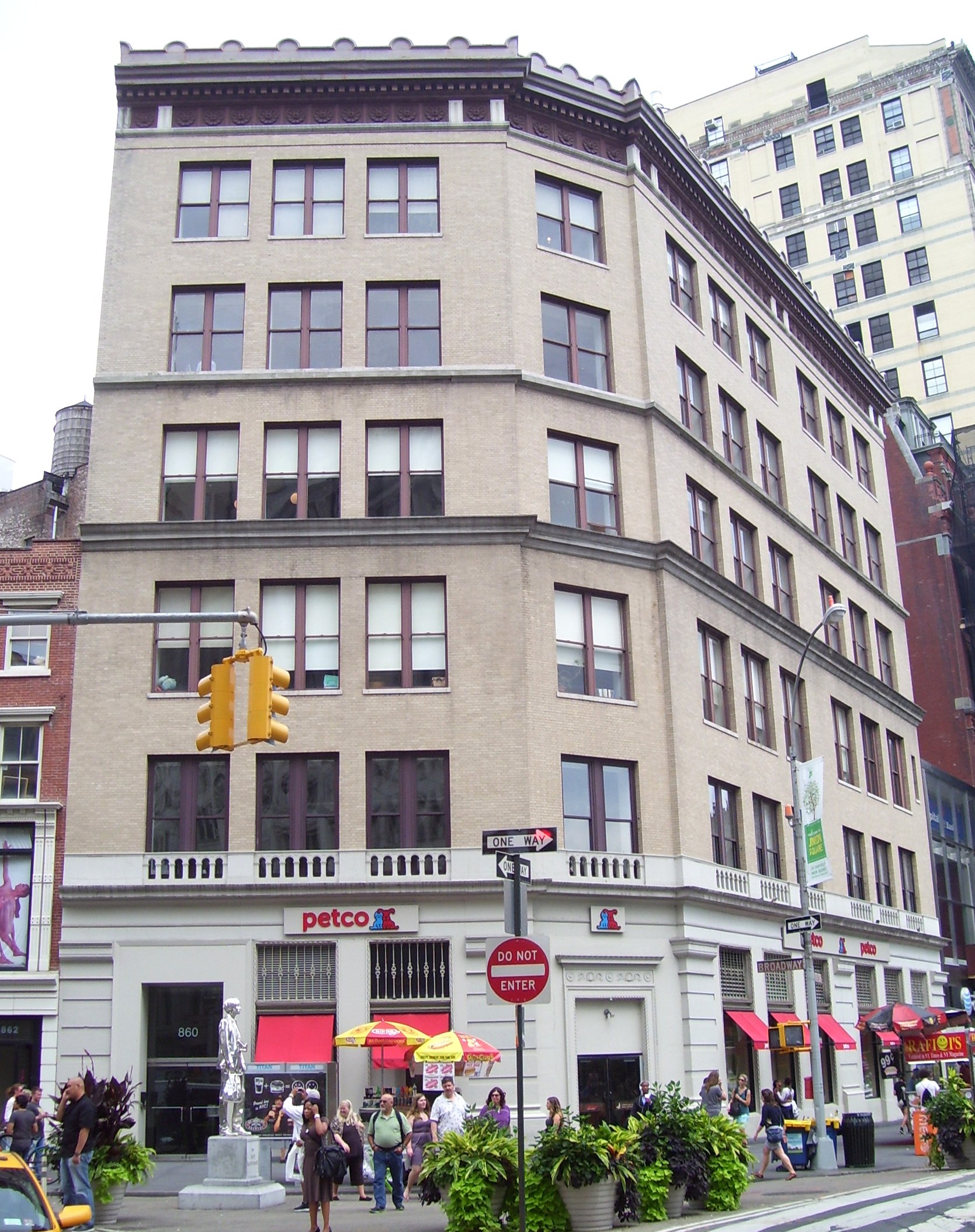
In 1974, Warhol relocated his Factory to this address – after its initial home at 1342 Lexington Avenue and a second at 231 East 47th Street – taking over the entire third floor. This new studio, designed with Jed Johnson and architect Peter Marino, adopted a more subdued aesthetic compared to its predecessors. This shift reflected a new phase in Warhol's artistic practice, increasingly leaning towards an entrepreneurial model, alongside significant changes in his personal life. Following the psychological and physical trauma of the assassination attempt by Valerie Solanas in 1968, Warhol had initially withdrawn from public life. However, by the early 70s, his public presence had notably increased, as he resumed attending parties and gatherings. Yet, a certain disillusionment seemed to linger, as he famously remarked in 1974: "I try to go around so often and so much and I try to go to all the parties, so that they get bored with me and stop writing about me."
The Factory at 860 Broadway continued to serve as a pivotal nexus of the era's visual and social culture, an environment where art, celebrity, production, and daily life seamlessly intertwined. This vibrant space became a bustling epicenter of creativity and innovation, where Warhol pursued his artistic explorations and engaged with a new generation of artists, including Jean-Michel Basquiat and Keith Haring. It was also within these walls that he filmed his television series, Andy Warhol’s TV, from 1980 to 1983. Warhol remained at this location until 1984, when he moved his operations to a new site in Midtown.
Following Warhol's departure, the building entered a phase of progressive reconversion. As early as 1980, it housed the renowned nightclub Underground, owned by Maurice Brahms, a former partner of the founders of the iconic Studio 54. From the mid-1990s, a Petco store, a retailer of pet products, occupied the ground floor until its relocation in 2023. Meanwhile, the upper floors accommodated various offices, studios, and businesses.
For its arrival at the former Factory, Uniqlo aims to rekindle Warhol's memory. To mark the opening, the brand has chosen to feature historical images of the artist, including a 1983 photograph and the celebrated 1978 Self-Portrait with Skull, printed on limited-edition T-shirts and tote bags, exclusively available at the new store. The Warhol Foundation is actively involved in this initiative, underscoring a well-established strategy for managing the artist's legacy through licensing agreements.
This move is not an isolated incident. In recent years, the Japanese brand, a leader in casual apparel, has cultivated a robust network of collaborations with pivotal figures in Western visual culture, ranging from KAWS and Jeff Koons, to the estates of Haring and Basquiat themselves, as well as with prestigious museum institutions like New York's MoMA.
Novedades — Society
La participación cultural: más allá de la mera asistencia, la necesidad de compartir el poder
```html La participación cultural: más allá de la mera asistencia, la necesidad de compartir el poder La participación se ha convertido en un término ubicuo, presente en convocatorias, proyectos europeos, programas culturales y planes de regeneración urbana. Se presenta como un
David Hockney's Monumental 12-Meter Print Heads to Christie's Auction
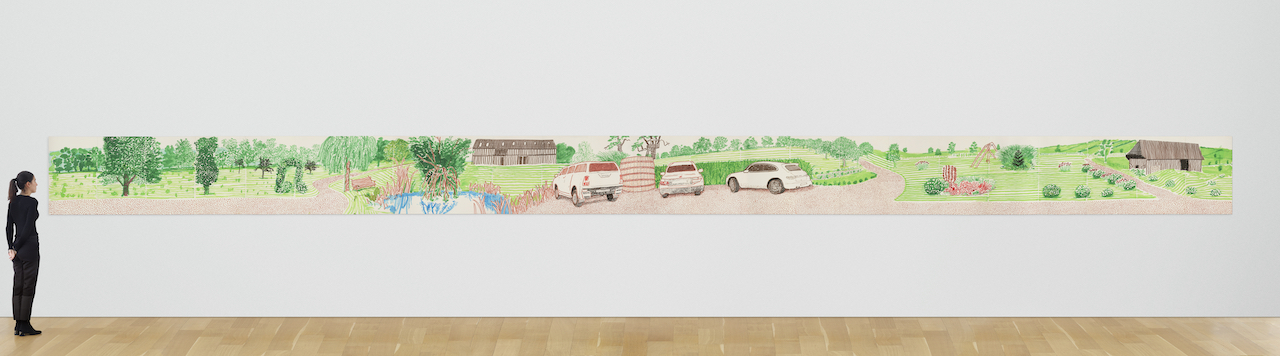
A truly unique lot is being offered by Christie's, available online from March 17 to 31, and on display at the major London galleries until March 31. This remarkable piece is one of David Hockney's largest creations, a staggering 12 meters long, printed on a single sheet of paper, and his most
El Greco Masterpiece Uncovered in Vatican: Hidden Under a Forgery
Art history is frequently punctuated by unexpected and serendipitous discoveries. Among these is the latest revelation from the Vatican Museums, where a routine conservation intervention has brought to light an authentic painting by El Greco, which had remained invisible for decades beneath a

Modena's Gate26A Hosts Aleksandr Nuss's Art: Where Matter Erodes and Light Reveals
Modena offers a serene escape from the vibrant chaos of nearby Bologna, presenting itself as an ordered and pristine city, a tranquil setting for everyday life. Within this calm environment, an independent space named Gate26A, founded by a collective of four individuals, injects a dynamic ener

Peggy Guggenheim's London Years: The Birth of a Collector in Venice Exhibition
Many are unaware of a crucial, often overlooked chapter in the life of Peggy Guggenheim, the visionary who transformed a palazzo on the Grand Canal into a bastion of modernism: her entrepreneurial venture with the Guggenheim Jeune gallery in London. The exhibition, Peggy Guggenheim in London: B
Selvatica 2026 in Biella: Art and Nature in Dialogue, Featuring Historical Authors and New Talents
The eleventh edition of Selvatica – Art and Nature in Festival, a biennial event held in Piazzo, Biella's historic district, has commenced and will run until July 19, 2026. The festival aims to foster a dialogue between artistic languages, scientific research, and educational practices to crea