
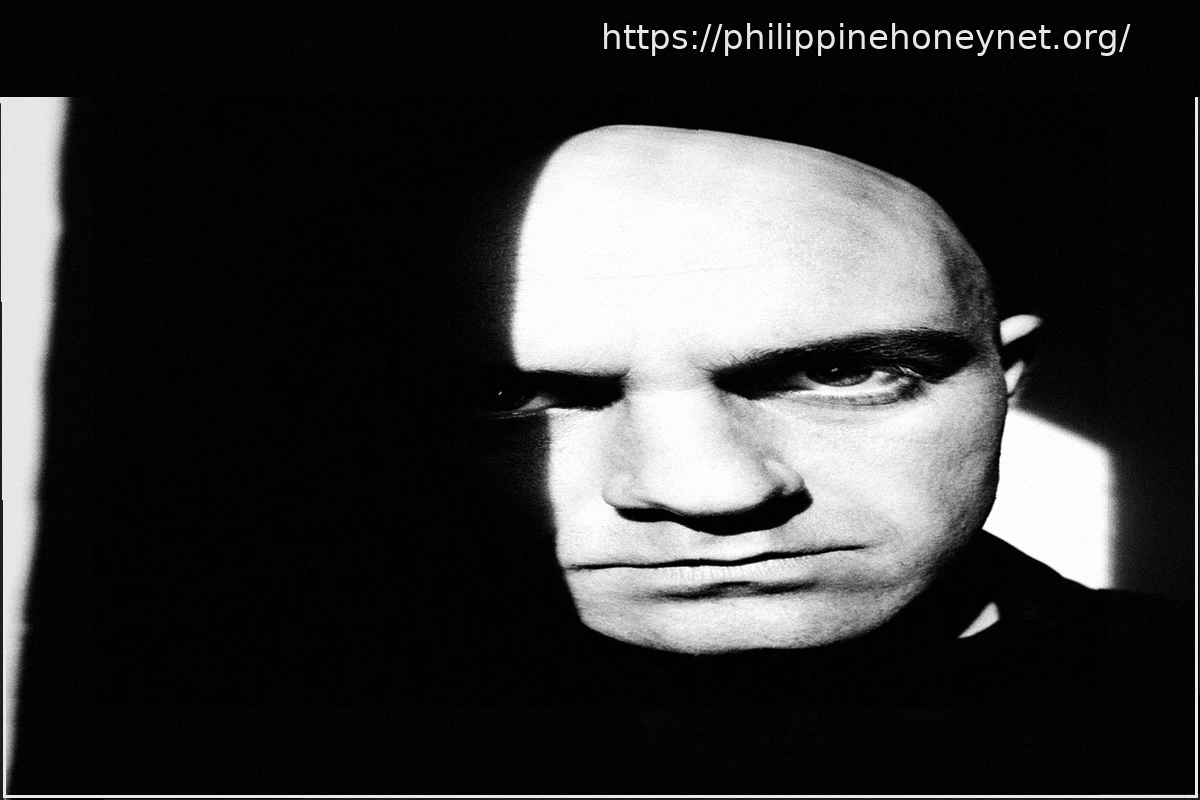
The series “OTHER IDENTITY – Other forms of cultural and public identity,” conceived by artist and independent curator Francesco Arena, serves as a barometer for the evolving landscape of contemporary visual language. It showcases the work of artists and authors who utilize photography, video, and performance to delve into themes of identity and self-representation. This week, we interview Lorenzo Castore.
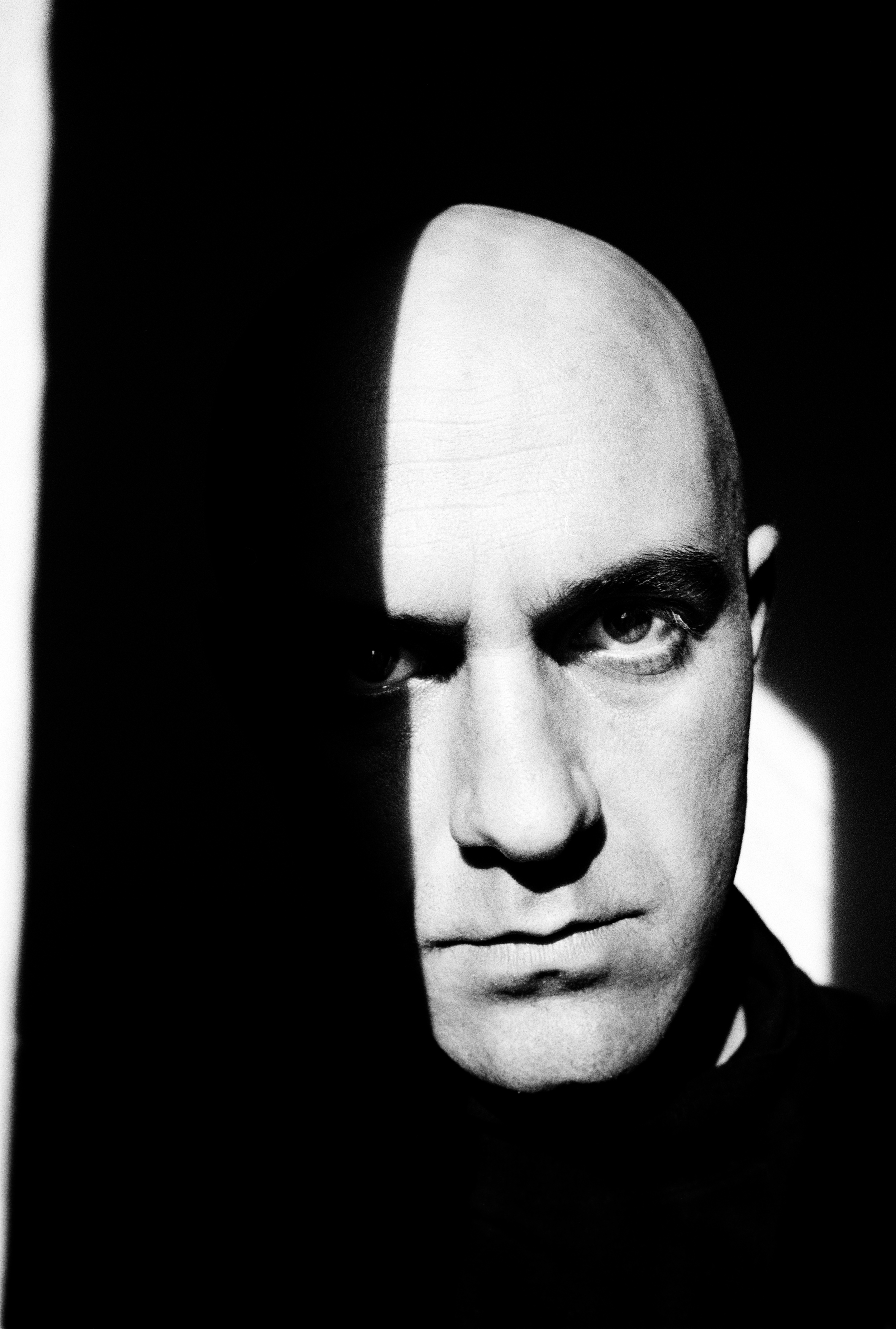
Lorenzo Castore on Art and Identity
Our private lives are increasingly public, and the representation of ourselves constantly shifts and becomes performative in our actions. How do you define art?
“I believe art is, above all, the way we live each moment of our lives, of which our work then becomes a more or less symbolic representation. The artistic work that interests me originates from the intensity with which one connects with their present, with others, with our inner world, and then from the creation that arises from the tension between the opposing forces that animate us.”
We create distinct gender identities, chosen by each of us based on the characteristics we wish to highlight, thus providing clues about ourselves. What is your “identity” within contemporary art?
“I confess that, since childhood, I’ve always felt my sense of identity to be very transparent, and this caused me pain; it gave me instability, I didn’t recognize myself in my own face… at times, I felt like I was disappearing.
However, over the years, my opinion on the importance of a well-defined personal identity has changed considerably. I have re-evaluated the transparent identity. I have savored the pleasure of taking the form of my energy and the desire to express mysterious worlds that speak to me through my feared and beloved inner voice, which doesn’t care at all about resembling my outward self… it’s interested in more absolute, yet very simple, real, and cosmic things.
As for my well-defined identity within the art world, or wherever it might truly be, who cares. This need to define oneself precisely, to have an easily readable external recognition, now bothers me. In fact, it seems like a need stemming from the fear of always needing reassurance, and the risk is becoming caricatures of ourselves.
If you define an identity, you suffocate it; you don’t give it space to evolve, to surprise, to lead to unexpected revelations. I recently read a beautiful passage about the identity of clouds, which is such precisely because clouds are constantly changing.”
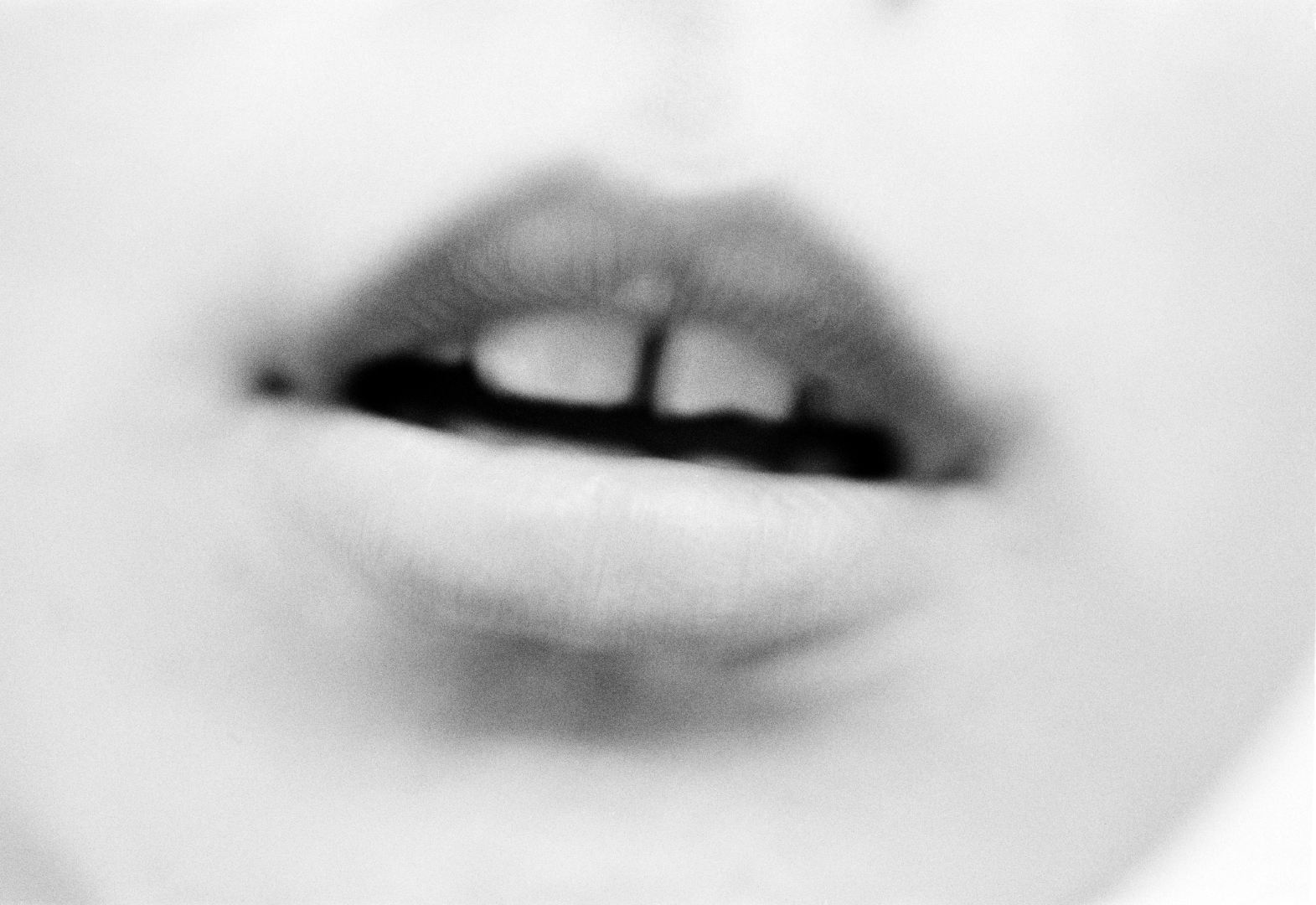
How important is social and public appearance to you?
“Hmm, I don’t think about it. I’m focused on doing the work I urgently need to do as best I can, because that gives me satisfaction. It gives me satisfaction to play seriously and try to get to the bottom of things. Each time, I start from scratch; that’s my way. Of course, I don’t do it with blinders on; I don’t change for the sake of changing, but I ask myself the questions I need to ask, every time. Why? I always ask myself why, even when I don’t have an answer.
If you ask me about social and public appearance in relation to career and recognition, I think about it even less because I believe that someone who does things seriously shouldn’t have time to think about others in those terms. It already takes so much energy to be in a deep relationship with oneself. Others shouldn’t be convinced, but involved. Then, of course, I want to communicate; I want to express my inner worlds to connect with others, but I have no desire to do what someone expects, because recognition reassures and comforts.
Instead, I find it more interesting to stimulate and, if necessary, create an emotional stir. I’m more for experimentation and adventure.”
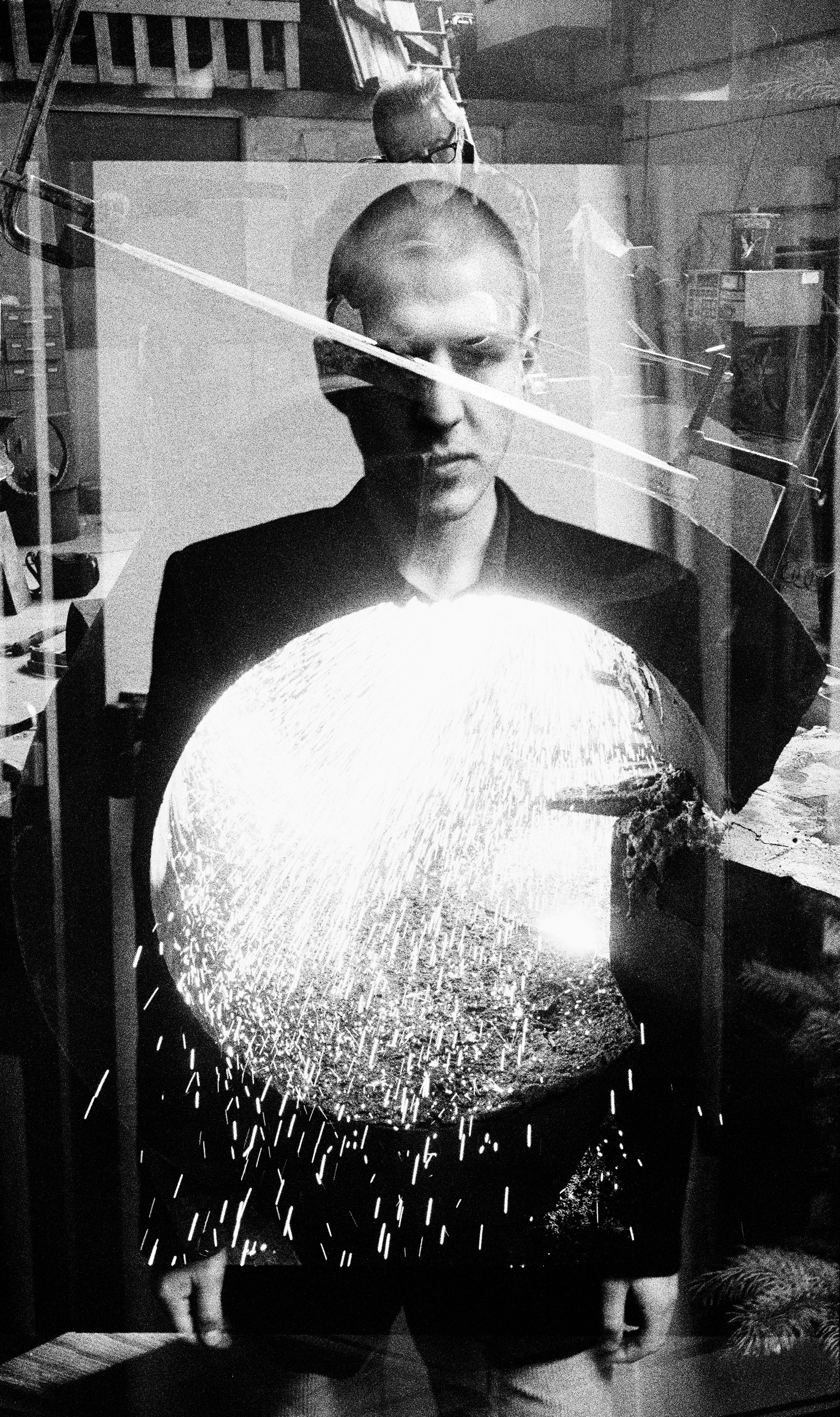
The reference, plagiarism, reinterpretation, and the ready-made of iconography tied to the past, present, and contemporary are constantly questioned in a desperate search for a new self-identification, a new representational value. What is your representational value today?
“I try to work well, to resemble what I do through the energy I put into it. The obsession with formal self-identification is a false problem, I’d say an old problem, in a negative sense. I believe the mythology of the artist from past years no longer has a reason to exist today, even though the egocentric self-representation is hard to die. It sounds a bit like the painter who had to wear a scarf, a little French hat, dress eccentrically, and cause scandal… a kind of monkey in uniform.
I’m interested in other things. Once, icons weren’t signed. We didn’t know who made them, but it’s certain that among the various Popes of the Orthodox churches, they knew the best icon painters who were called upon to carry out the work. The work was not done to represent oneself but to approach something much greater through grace.”
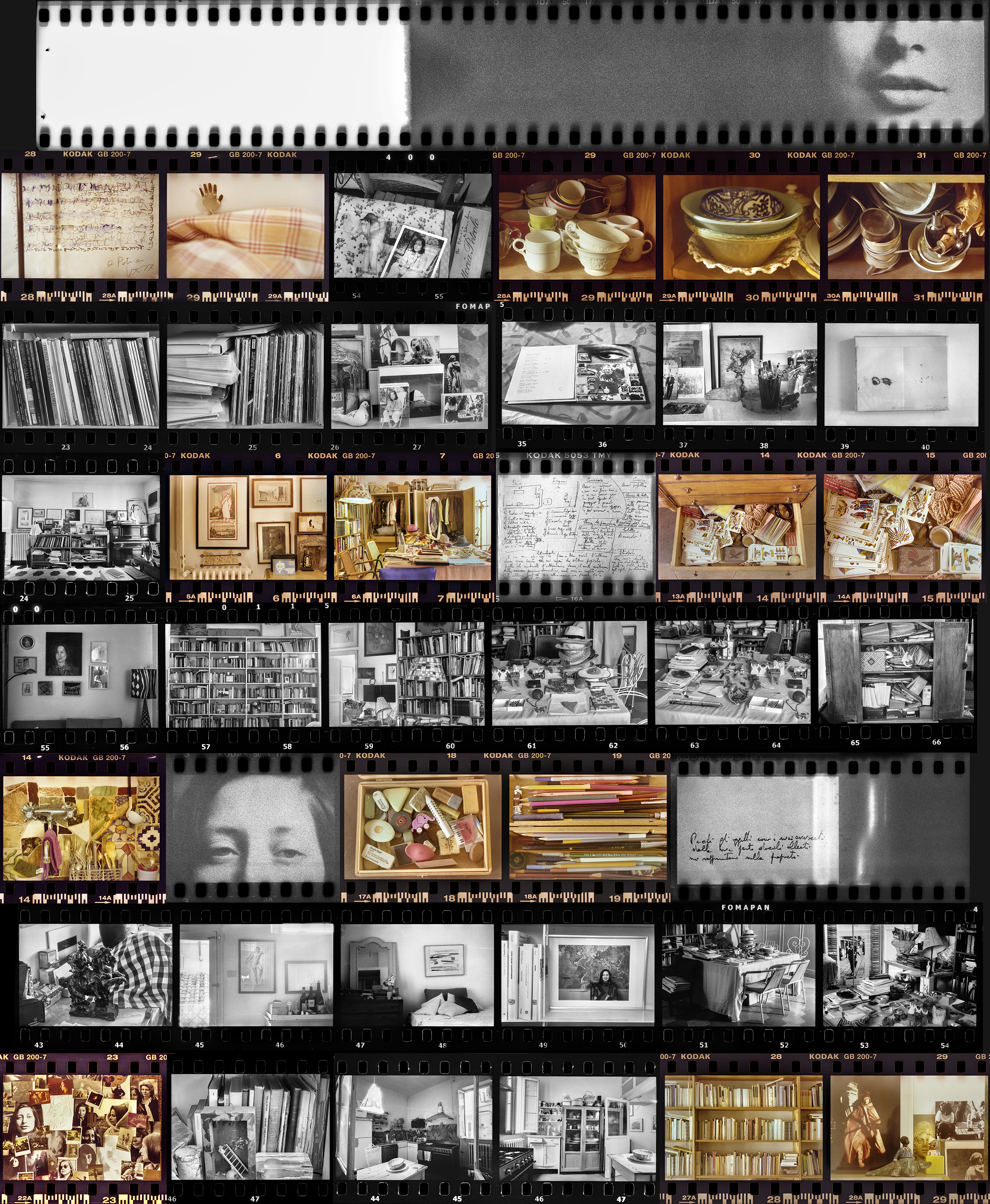
Our public “actions,” including artistic work, disrupt our daily lives, our intimate lives, our feelings, or rather, the reproduction of everything we are and attempt to appear to the world. Do you define yourself as an artist in the eyes of the world?
“The word ‘artist’ has always embarrassed me a little. It’s up to others to say if I’m an artist; I can’t affirm it myself. I make an effort to live as artistically as possible (and this should apply to everyone, not just those who produce ‘so-called’ works of art), which for me means being honest towards my intuitive vision, seeking to evolve courageously into the unknown, accepting the challenge of the unknown and my limitations, without giving too much space to sentimentality, opportunistic calculation, or victimhood. And to try – slowly, over time, and as much as it will ever be possible for me – to regain purity.
This would be the intention, but there’s a long way between saying and doing…”
What “cultural and public identity” would you have wished to embody, besides your own?
“David Bowie 🙂
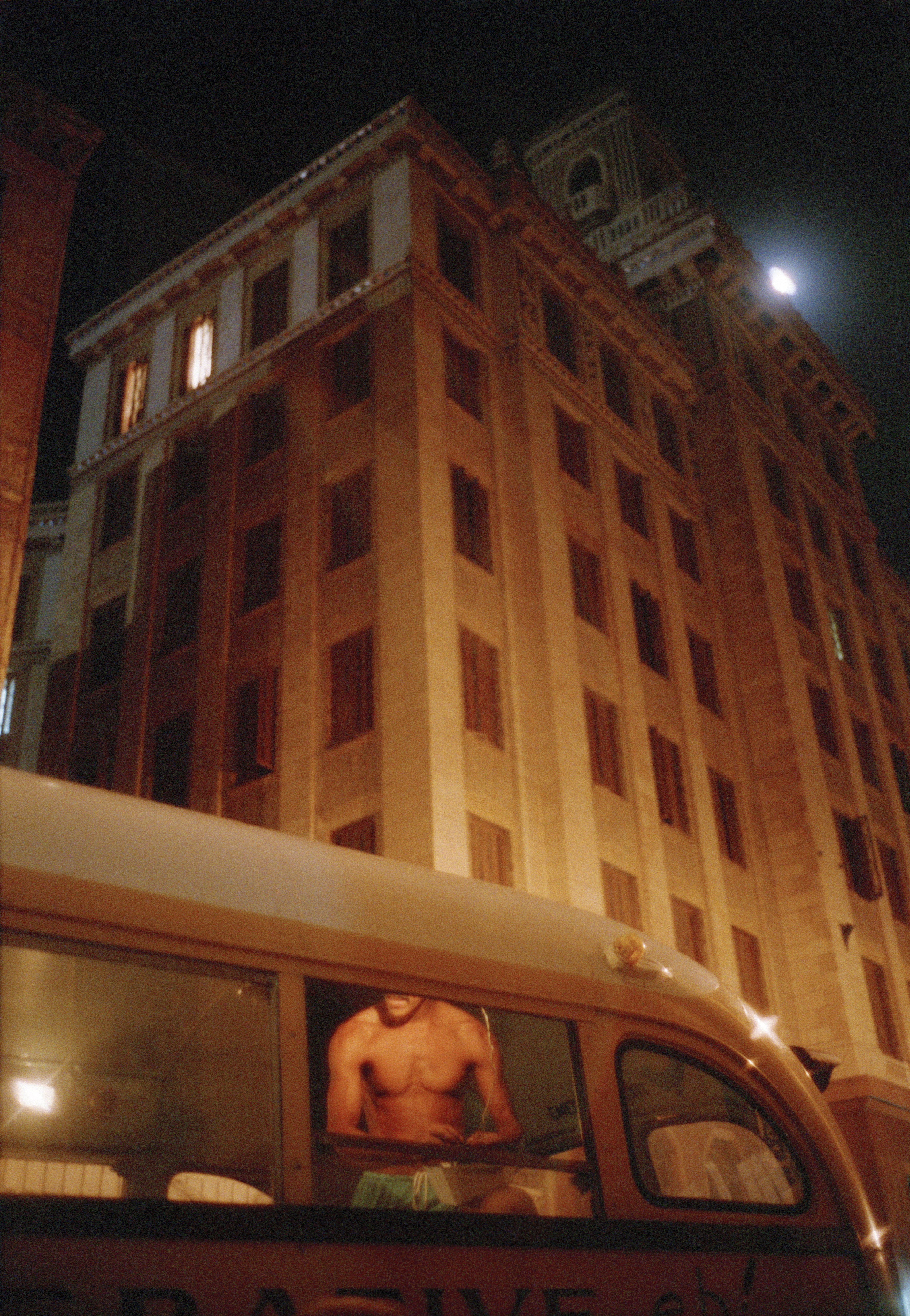
Biography
Lorenzo Castore was born in Florence (1973) and lives in Rome.
After a turbulent childhood, marked by constant changes of home and environment, and an adolescence driven by an obsessive need to find his path, one day in the early 90s, he encountered photography. As a journey into the external and internal world, he found in this mode of expression what suited his nature. Since then, he has worked in various directions – with passion, disquiet, and dedication – but in a continuous search for an emotional tension that conveys a sense of wonder.
In 2011, a dramatic event changed his life and his relationship with time. From that moment on, he began to look at what he was doing with new eyes and determination. An imaginary map of belonging was finally revealing itself. The passage of time gives birth to a new alphabet, and thus to a new language, and stimulates a revelation: memory emerges, experience transforms into something broader.
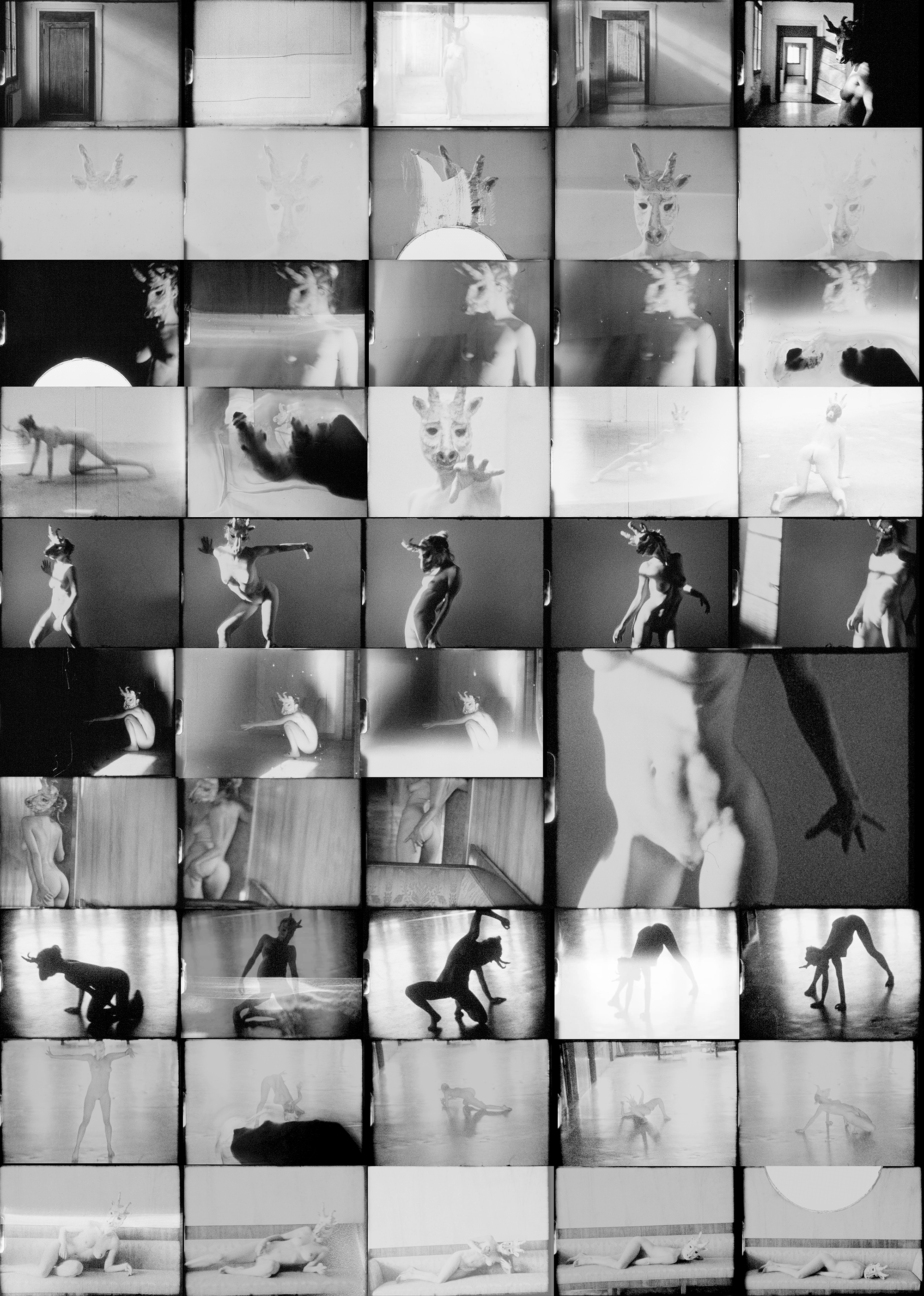
Through photography, he seeks to leave traces of a presence made of encounters and moments of the present, through which he tries to build a timeless sense of belonging – his own reality. He has thought of nothing else but structuring his constellation, which should speak of his relationship with the other and with himself. Works born from the urgency to communicate something, others sparked by chance encounters outside his daily life, alternate and mix with the more strictly autobiographical ones; one could not exist without the others.
Ultimately, his work is characterized by long-term projects focused on personal experience, memory, and the relationship between small individual stories, history, and the present time.
His work has been widely exhibited internationally, and he has published eleven monographic books: Nero (2004) Federico Motta Editore (IT) // Paradiso (2005) Actes Sud (FR), Dewi Lewis Publishing (UK), Edition Braus (DE), Apeiron (GR), Lunwerg (ES), Peliti Associati (IT) // Ultimo Domicilio (2015) L’Artiere (IT) // Ewa & Piotr (2018) Les Editions Noir Sur Blanc (FR/CH) // Land (2019) Blow Up Press (PL) // 1994-2001 | A beginning (2019) L’Artiere (IT) // Glitter Blues (2021) Blow Up Press (PL) // 2001-2007 | Lack & Lacking (2022) L’Artiere (IT) // WALLS (2022) Grani Edizioni (IT) // Séte #23 (2023) Le bec en l’air (FR) // Fièvre (2024) Lamaindonne (FR).
He has made four short films: *No Peace Without War* (2012), *Sogno #5* (2013), *Casarola* (2014), *W* (2022).
The article Other Identity #201, other forms of cultural and public identity: Lorenzo Castore originates from exibart.com.