
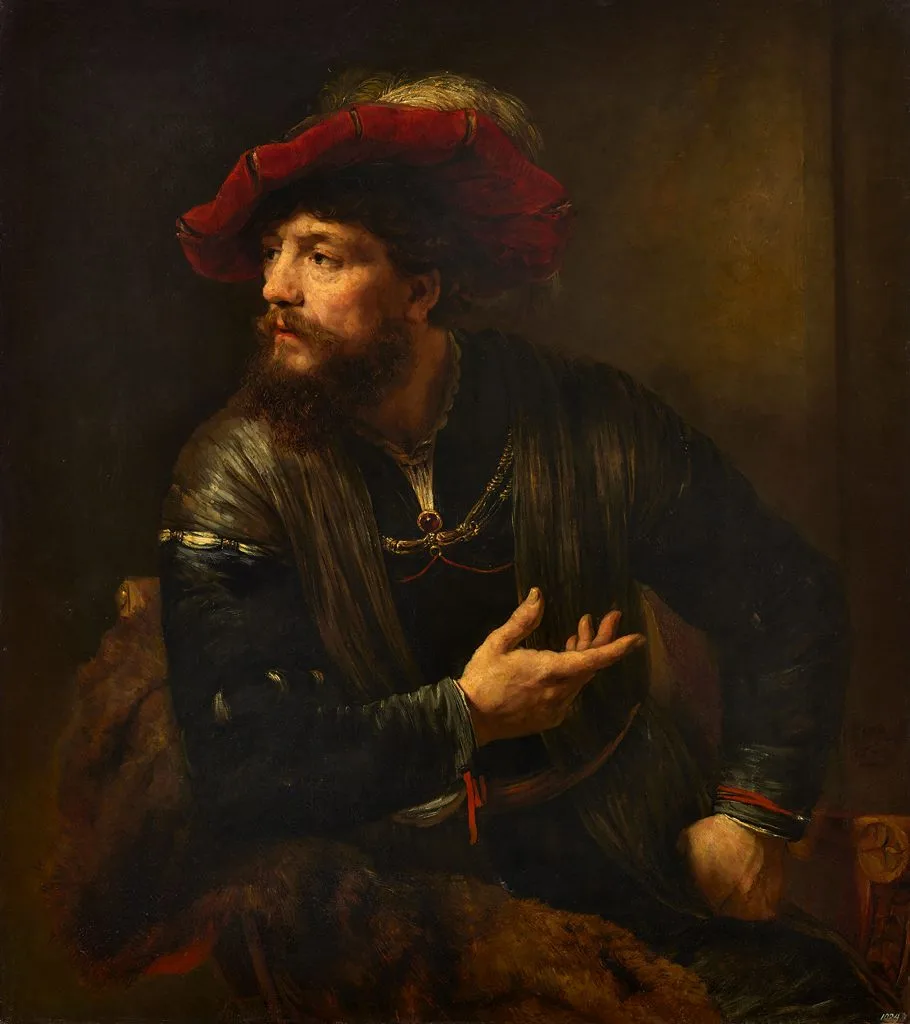
This year, the renowned Maastricht fair presents itself without its usual floral opulence. TEFAF 2026 welcomes visitors with a more understated setup, featuring delicate tones and a quiet elegance. A scholar from Liège proudly reveals she has photographed the same spot every year for a decade, testament to a cherished tradition. Inside the MECC, the “secular liturgy” unfolds: enthusiasts move slowly across the carpet, carefully examining artworks, catalogues in hand, in an atmosphere of calm excitement. After the initial frenzy of the preview with oysters and champagne, the corridors come alive with students, families, and curious onlookers, especially on the weekend. Despite global uncertainties, the 276 stands display numerous “red dots” – indicators of sold works – a sign of a robust market. Boris Vervoordt of the TEFAF Executive Committee confirms that “initial acquisitions demonstrate collectors’ commitment to exceptional works even in uncertain times.” Preview data show a 5% increase in visitors and over 10% in museum representation, with 450 institutions present. These institutions are the primary buyers of masterpieces. For example, Agnews gallery sold Willem Drost’s 1654 oil on canvas, Man with a Plumed Red Beret, to the Leiden Collection, famous for works by Rembrandt and his school. The Italian gallery Antonacci Lapiccirella Fine Art placed two paintings by Gustaf Fjaestad with a European collection and a Canadian foundation, both for six-figure sums, and an oil sketch by J.J. Frey to an American museum. Francesca Antonacci also mentions strong interest from two US museums for H. Hertzoff’s rare Aurora Boreale and from a French museum for H. Daux’s rediscovered Self-Portrait at the Easel.
These artworks, rigorously selected and guaranteed for their uniqueness, are destined to find a place in museum collections. A notable example is the coral caravel by Ippolito Ciotta (circa 1680, Palermo) exhibited by Altomani & Sons. Rich in detail – cannons, silver mastheads, sailors climbing ropes, gunpowder barrels, and mascarons – this piece, already cited in the archives of the Chiaramonte Bordonaro collection and even coveted by Churchill, has an asking price of 3.5 million euros in Maastricht. Antiquarian Andrea Ciaroni jokingly comments on the quantity of “red dots” at TEFAF 2026, likening it to a “measles exhibition.” Ciaroni reports success, particularly with American museums, selling Renaissance maiolica and bronzes for figures between 100,000 and one million euros. His stand emphasizes the educational aspect, with videos illustrating rare discoveries and collections. TEFAF confirms itself not just as a market, but also as a center for study, research, and reflection on art history. “If we all raise the bar,” he states, “and here in Maastricht it’s already the highest possible, we can achieve extraordinary results.”
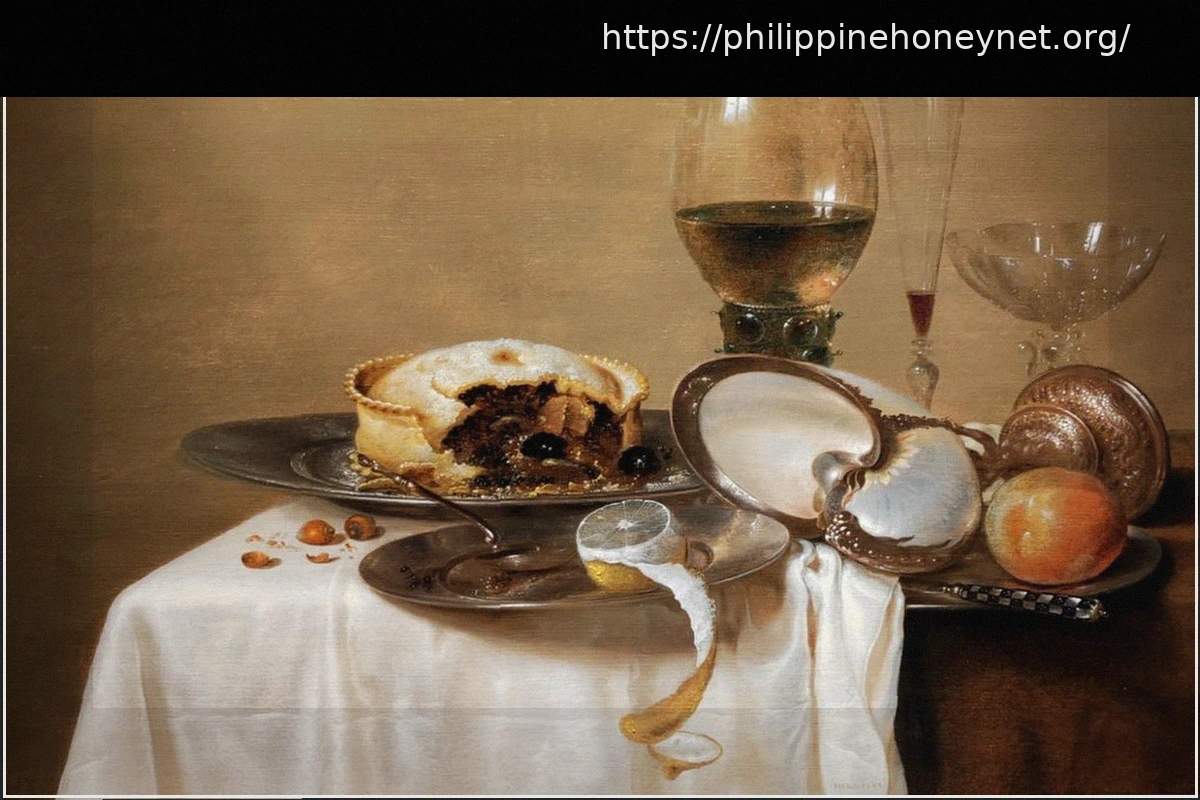
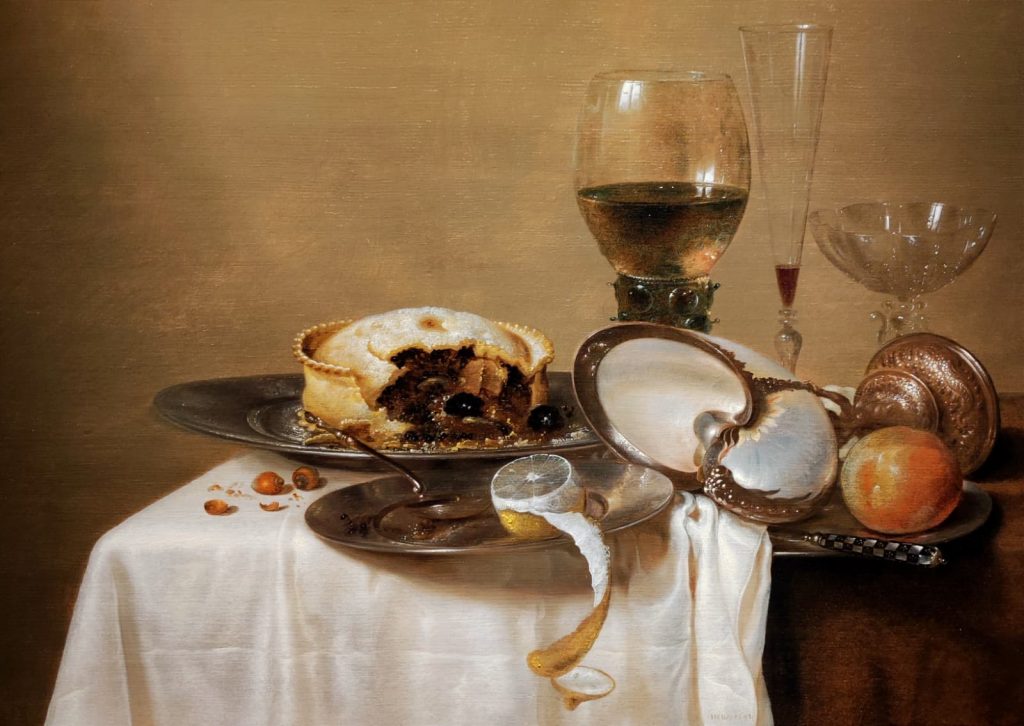
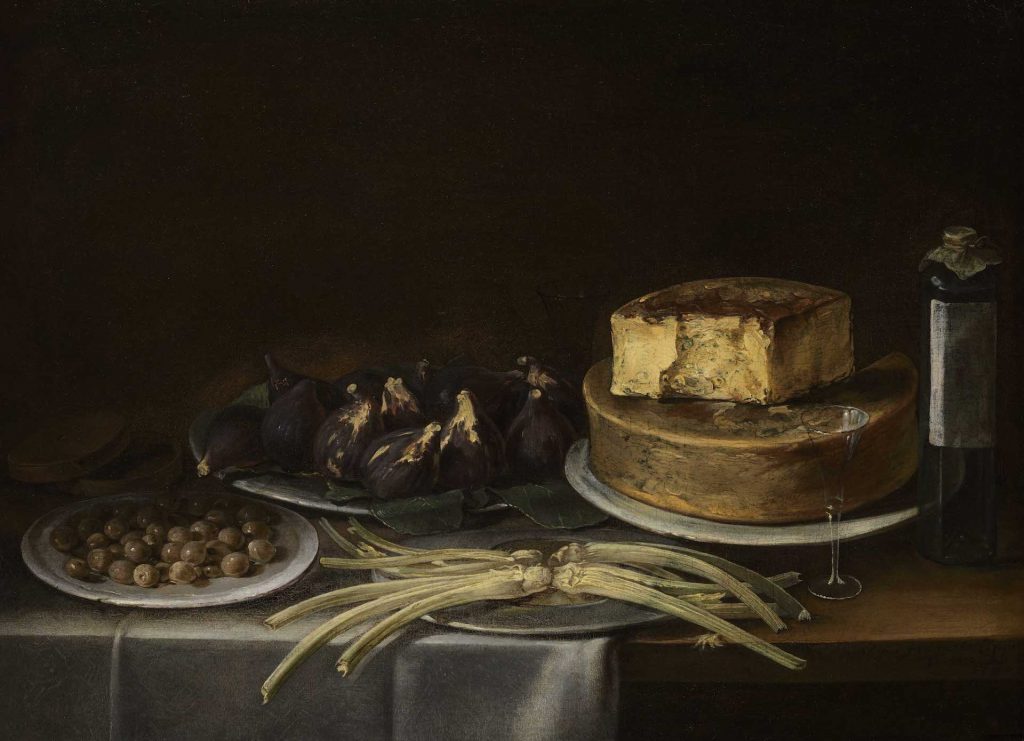
Within a few meters of exhibition space, TEFAF condenses an artistic journey spanning seven millennia of history. The event is more cross-category than ever, presenting works ranging from ancient (with its unparalleled quality) to contemporary (culminating in May in New York), including the best of design, tapestries, jewelry, and art objects. Prices are equally varied, from tens of thousands of euros in the emerging “Showcase” sector to the valuations of international galleries. Among the noteworthy sales: David Aaron’s Stele of Medea, acquired by an important institution for £450,000. The Liechtenstein Tacuinum Sanitatis, a 15th-century Paduan illuminated manuscript, offered by Dr. Jörn Günther Rare Books, sold for 5 million Swiss Francs. Gallery 19C (USA) sold Virginie Demont-Breton’s L’homme est en mer (1887-1889) to the Van Gogh Museum for an estimated price between €500,000 and €1 million. Caretto & Occhinegro sold its highlight piece, The Pentecost by Jean Cousin I, to a private collection, as well as The Capture of Christ by Pieter Coecke van Aelst, which had an asking price in the region of €250,000. At Matteo Salamon’s stand, Giacomo Francesco Cipper’s (known as Il Todeschini) still life was quickly sold; the gallerist described the edition as “lively,” with offers surpassing previous ones and a positive public response. Bijl-Van Urk Masterpaintings, with works priced between €100,000 and €1 million, placed a lemon curl from Willem Claesz. Heda’s A Banquet Still Life with a private collector, and Jan Porcellis’s Small Ships in Heavy Weather with the Kremer Collection. Finally, Stuart Lochhead Sculpture’s Nero’s Vase, dating from the 1st century AD and part of the imperial residence Domus Transitoria, was purchased for approximately £1.8 million by an unspecified US museum. These examples suffice to illustrate the scale of the transactions.
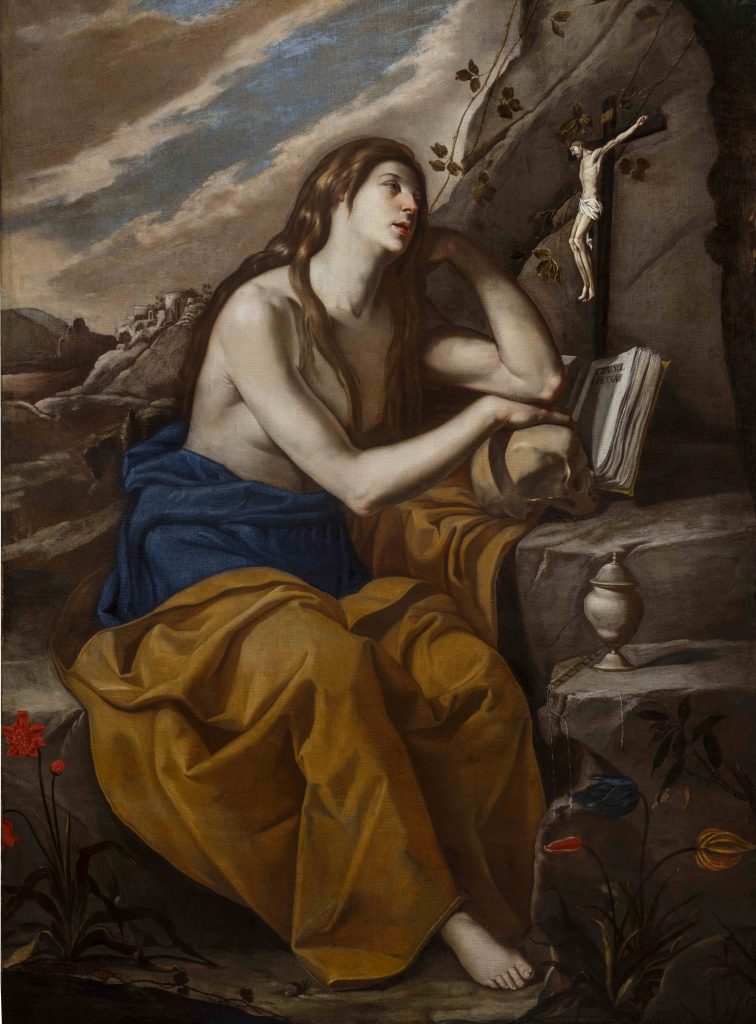
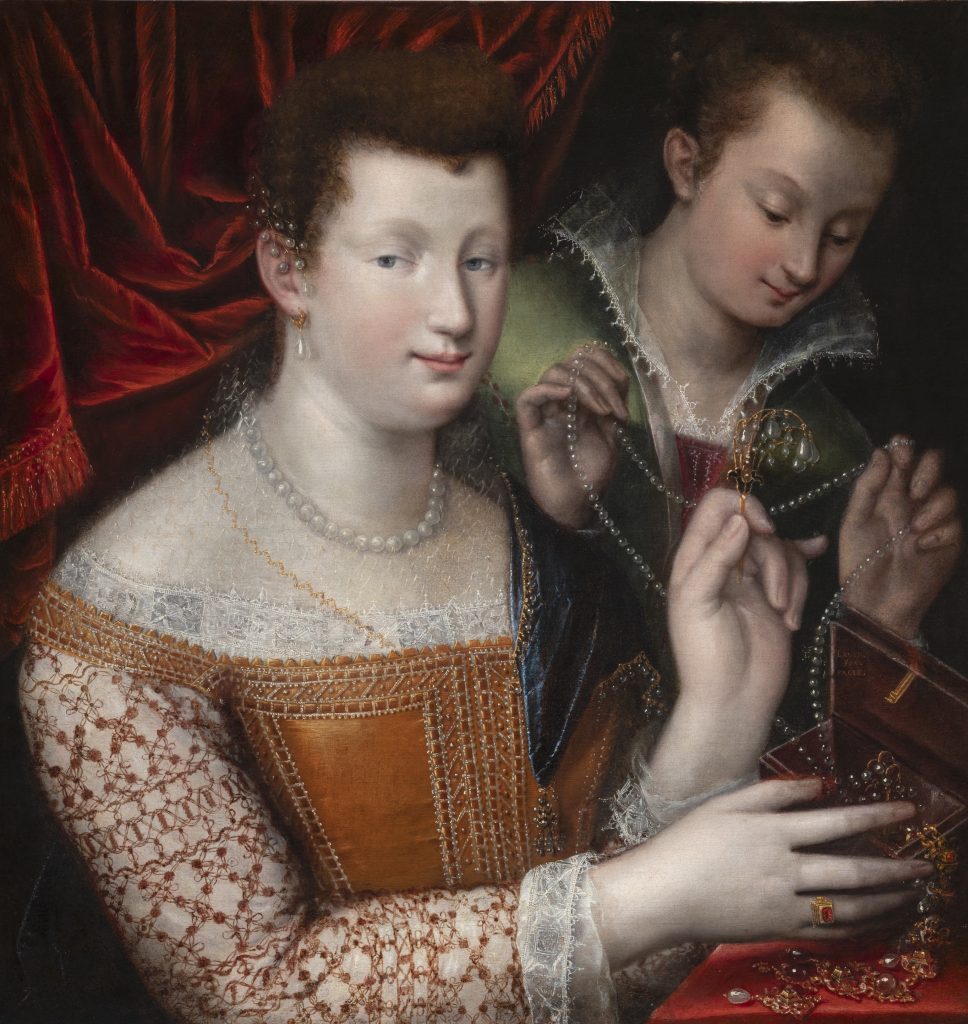
TEFAF Maastricht proves to be the ideal showcase for less conventional artworks, attracting the most discerning and refined connoisseurs, including representatives from leading museum institutions. Robilant + Voena, for instance, alongside works by Picasso and Fontana, presented a 15th-century gold-ground painting by Neri di Bicci with a seven-figure asking price. Marco Voena playfully commented that the fair is “a museum for sale, with the difference that you can touch the artworks like in a supermarket!”, reporting sales between €200,000 and €500,000. Similarly, Porcini Gallery exhibited a large 18th-century nativity scene, a type previously sold to prestigious institutions like The Art Institute of Chicago. Aronson Antiquairs impressed with the Van Gelder collection of pharmaceutical ceramics, presented in a spectacular setup. Kugel’s “usual wunderkammer” fascinated with albums of hardstones commissioned in the late 17th century by Monsignor Leone Strozzi, praised even by the philosopher Montesquieu. The fair does not solely rely on “blockbuster” names, though they are certainly present. Artemisia Gentileschi, who set a new auction record of $5.69 million at Christie’s in February, is featured in 2026 with four masterpieces. Fondantico di Tiziana Sassoli exhibits her Penitent Saint Mary Magdalene, with the gallerist reporting inquiries from an American museum, as well as interest in Gaetano Gandolfi’s The Argonauts and a rare panel painting by Lorenzo Costa, hoping to conclude negotiations. Meanwhile, Colnaghi sold Lavinia Fontana’s recently rediscovered and signed Portrait of Isabella Ruini with a Lady-in-Waiting to an Asian private collection.
Significant transactions for ancient art unfold calmly, without the frenetic pace typical of contemporary art, continuing even into the final days of the fair, which, notably, lasts longer than events dedicated to contemporary art. Antiquarian Alessandra Di Castro emphasizes that “in a historical context marked by geopolitical tensions, economic uncertainties, and technological transformations, art increasingly acquires the role of a safe haven asset.” At TEFAF, this trend is evident: the solidity of the works, their verified provenance, the reliability of the professionals, and the originality of the presentations guide the choices of the most discerning collectors. Visitors, increasingly informed, demonstrate a profound understanding of the complex artistic ecosystem. It is a market that waits, consolidates, and carefully selects. As the fair concludes, the ritual is complete.