Svelata l'Identità di Banksy: L'Inchiesta di Reuters
Nel 2006, Banksy aveva dichiarato senza mezzi termini a Swindle magazine: «Non ho alcun interesse a fare coming out. Penso che ci siano già abbastanza idioti pieni di sé che cercano di mettersi in mostra con le loro brutte facce». Per oltre vent'anni, ogni nuova apparizione di un'opera di Banksy è stata accompagnata da un'unica, insistente domanda: chi è realmente l'artista che ha elevato la street art a uno dei linguaggi più riconoscibili dell'arte contemporanea? Nel corso del tempo, sono circolate numerose ipotesi, alcune più accreditate di altre, ma nessuna ha mai trovato una conferma definitiva. L'anonimato è rimasto una costante del progetto Banksy, quasi una sua condizione essenziale, parte integrante della sua strategia artistica e della sua stessa identità.
Una minuziosa inchiesta recentemente pubblicata da Reuters tenta ora di fare chiarezza su questa intricata storia. Il lavoro, frutto di anni di ricerche approfondite, analisi di documenti pubblici, interviste e verifiche incrociate, rappresenta probabilmente una delle indagini più estese mai dedicate all'enigmatico artista britannico.
Al centro di questa nuova ricostruzione riemerge il nome di Robin Gunningham, una figura già indicata come possibile identità dell'artista in seguito a un'inchiesta del 2008 pubblicata dal Mail on Sunday. L'indagine di Reuters ripercorre una serie di elementi che, negli anni, hanno alimentato questa ipotesi: le sue origini a Bristol, fotografie e frammenti di esse, le sue frequentazioni nella scena dei graffiti locali e precise coincidenze temporali tra alcuni suoi spostamenti e la comparsa di opere firmate Banksy.
Secondo quanto riportato da Reuters, nuovi documenti e testimonianze contribuiscono a rafforzare ulteriormente questa pista. Tra gli elementi analizzati ci sono anche diversi viaggi di Gunningham che si sovrappongono alla comparsa di interventi attribuiti all'artista in varie città del mondo, incluso il suo viaggio in Ucraina nel 2022, quando una serie di murales comparve nelle zone colpite dal conflitto. L'inchiesta giornalistica, infatti, ha preso il via proprio da un condominio bombardato nel villaggio di Borodyanka, nella periferia di Kiev.
Riemerge nell'inchiesta anche un altro nome che da anni accompagna il dibattito sull'identità dell'artista: Robert Del Naja, musicista dei Massive Attack e figura storica della scena graffiti di Bristol. In diverse occasioni, il suo nome è stato associato a Banksy, non necessariamente come identità diretta, ma come possibile collaboratore o presenza vicina alla nascita e allo sviluppo del progetto.
Se l'identità rimane l'aspetto più mediaticamente appetibile, l'inchiesta di Reuters allarga lo sguardo anche a un'altra dimensione cruciale del fenomeno Banksy: l'imponente sistema economico che si è sviluppato negli anni attorno alle sue opere. Qui entra in scena il Pest Control Office, l'organismo che autentica ufficialmente i lavori dell'artista e che decide chi ha la possibilità di acquistare per primo le sue ultime creazioni, fungendo sia da ente di autenticazione che da società operativa. Attraverso registri societari e documenti pubblici, Reuters ha ricostruito una complessa rete di società britanniche collegate alla gestione delle opere e alla tutela del marchio Banksy.
Il quadro che emerge è quello di una struttura relativamente articolata, costruita nel tempo per controllare la circolazione delle opere e limitare la proliferazione di falsi. Una necessità quasi inevitabile, considerando l'enorme peso economico assunto dal nome Banksy negli ultimi quindici anni. Secondo i dati analizzati dall'agenzia, dal 2015 le opere dell'artista avrebbero generato circa 248 milioni di dollari nel mercato secondario: una cifra che ben descrive il paradosso di una pratica artistica nata sui muri delle città e finita al centro di un sistema di collezionismo globale. Pest Control è l'unico ente autenticatore delle opere di Banksy, impiegando mesi e a volte anche anni per ogni verifica, e i critici sostengono che il processo sia lento e poco trasparente.
Tuttavia, Jasper Tordoff, esperto di Banksy presso MyArtBroker, ha dichiarato a Reuters che si tratta di un approccio «abbastanza comune» sul mercato e funziona in modo simile ai processi di autenticazione per altri artisti di strada come Jean-Michel Basquiat e Keith Haring. Ha aggiunto: «L’intero scopo di questa operazione è proteggere gli acquirenti», sottolineando che «molte persone sono state truffate acquistando (falsi) Banksy al posto di denaro autentico di Banksy».
Indubbiamente, sia l'anonimato che la spettacolarizzazione hanno contribuito negli anni a definire i prezzi delle opere dell'artista e il fascino a esse legato, unendo a doppio filo l'elemento economico a quello di sfida, sia essa identitaria o ideologica. Ma come spesso accade in questi casi, la critica al sistema finisce per generare solo un aumento dei prezzi al suo interno, come avvenuto nel celebre caso del dipinto "autodistrutto" durante le aste di Sotheby’s a Londra nel 2018. Trattandosi di street art, inoltre, rimane sempre aperto il dibattito relativo alle opere rimosse dalle strade, talvolta con l'unico scopo di preservarle, in altri casi immettendole direttamente nel mercato, generando un distacco ancora più netto fra ciò che le opere rappresentano nella loro destinazione originaria e i meccanismi del circuito di mercato nel quale vengono inserite.
Si tratta di un'inchiesta che si muove su due direttrici principali: quella dell'identità dell'artista e quella del suo imponente giro economico. Due strade che spesso viaggiano separate, ma che finiscono per convergere in un punto preciso: «Quanto influirebbe la rivelazione dell’identità di Banksy sul valore delle sue opere?» Reuters ha contattato più di una dozzina di importanti gallerie, musei e case d’asta. La maggior parte ha rifiutato di commentare la vicenda di Banksy. Le opinioni tra coloro che hanno parlato sono risultate divergenti.
C'è però da dire che, indipendentemente dalla monetizzazione dell'anonimato e dal fascino che esso possa suscitare – e indubbiamente suscita – sugli acquirenti, l'anonimato è parte integrante e fondamentale della figura dell'artista, come anche Reuters riconosce, riportando le parole dello storico dell'arte ed esperto di Banksy, Ulrich Blanche: «Questo anonimato è di per sé una dichiarazione d’intenti».
Proprio per questo l'inchiesta di Reuters si muove su un terreno delicato. Da una parte c'è il principio giornalistico che legittima un'indagine di questo tipo: figure pubbliche con un'influenza culturale così ampia possono e devono diventare oggetto di verifica e ricostruzione. Dall'altra parte, resta la natura stessa del progetto Banksy, costruito sull'idea che l'opera possa esistere pienamente senza un volto pubblico.
L'artista, contattato dall'agenzia, non ha risposto ad alcuna domanda. Attraverso i suoi rappresentanti ha mantenuto la linea che lo accompagna da anni: nessuna conferma, nessuna smentita.
L'anonimato, nel caso di Banksy, non è un semplice espediente, ma un dispositivo artistico a tutti gli effetti, una scelta consapevole che ha permesso alle sue opere di circolare senza il peso di una biografia personale. E l'aura di mistero, perfino la monetizzazione di esso, non ha mai aggiunto un nome o una vita dietro all'artista. Rendere noto il nome dell'artista potrebbe soddisfare una curiosità diffusa, svelare il risultato di un enigma che da anni alimenta il dibattito mediatico, annullando ogni distanza fra il pubblico e l'artista. Banksy, però, ha sempre funzionato proprio grazie a quella distanza: le immagini arrivano, compaiono, si diffondono. E l'autore resta altrove. Rimane dunque da capire quanto questa rivelazione possa davvero aggiungere alla profonda comprensione del lavoro di Banksy.
Banksy's Identity Uncovered: The Reuters Investigation
In 2006, Banksy famously declared to Swindle magazine: "I have no interest in coming out. I think there are already enough self-important idiots trying to show off their ugly faces." For over two decades, every new appearance of Banksy's artwork has been accompanied by a single, persistent question: who truly is the artist who transformed street art into one of the most recognizable languages of contemporary art? Over time, many hypotheses have circulated, some more insistent than others, but none have ever found definitive confirmation. Anonymity has remained a constant of the Banksy project, almost a fundamental condition of its existence, an integral part of his artistic strategy and his very identity.
A meticulous investigation recently published by Reuters now attempts to shed light on this intricate story. The work, built upon years of in-depth research, analysis of public documents, interviews, and cross-referenced information, likely represents one of the most extensive inquiries ever dedicated to the enigmatic British artist.
At the heart of this new reconstruction, the name Robin Gunningham re-emerges. He was previously identified as a possible candidate for the artist's identity following a 2008 inquiry published by the Mail on Sunday. The Reuters investigation revisits and expands upon a series of elements that have bolstered this hypothesis over the years: his origins in Bristol, photographs and fragments thereof, his associations within the local graffiti scene, and precise temporal coincidences between some of his movements and the appearance of works attributed to Banksy.
According to Reuters, newly unearthed documents and fresh testimonies further strengthen this lead. Among the analyzed elements are several of Gunningham's travels, which remarkably coincide with the appearance of interventions attributed to the artist in various cities worldwide, including his trip to Ukraine in 2022, when a series of murals appeared in war-affected areas. Indeed, the journalistic inquiry itself began from a bombed apartment building in the village of Borodyanka, on the outskirts of Kyiv.
The investigation also brings back another name that has long accompanied the debate about the artist's identity: Robert Del Naja, musician from Massive Attack and a historic figure in Bristol's graffiti scene. On several occasions, his name has been associated with Banksy, not necessarily as the artist himself, but as a possible collaborator or a close presence during the project's inception and development.
While the artist's identity remains the most sensationally appealing aspect, the Reuters investigation also broadens its scope to examine another crucial dimension of the Banksy phenomenon: the extensive economic system that has developed around his artworks over the years. This involves the Pest Control Office, the official body that authenticates the artist's works and decides who gets the first opportunity to acquire his latest creations, effectively functioning as both an authentication body and an operational company. Through corporate records and public documents, Reuters has reconstructed a complex network of British companies linked to the management of Banksy's works and the protection of his brand.
The picture that emerges is one of a relatively intricate structure, built over time to control the circulation of artworks and limit the proliferation of fakes. This necessity became almost inevitable given the immense economic weight Banksy's name has gained in the last fifteen years. According to data analyzed by the agency, since 2015, the artist's works have generated approximately $248 million in the secondary market: a figure that vividly illustrates the paradox of an artistic practice born on city walls now at the heart of a global collecting system. Pest Control is the sole authenticator of Banksy's works, a process that can take months and sometimes even years for each verification, and critics argue that the process is slow and lacks transparency.
However, Jasper Tordoff, a Banksy expert at MyArtBroker, told Reuters that this approach is "quite common" in the market and operates similarly to authentication processes for other street artists like Jean-Michel Basquiat and Keith Haring. He added: "The entire purpose of this operation is to protect buyers," noting that "many people have been scammed buying (fake) Banksys instead of genuine Banksy money."
Undeniably, both anonymity and the spectacular nature of his work have, over the years, significantly influenced the pricing of the artist's creations and the allure associated with them, intertwining economic value with a sense of defiance, whether identity-based or ideological. Yet, as often happens in such cases, criticism of the system itself often only leads to an increase in prices within it, as famously occurred with the "self-destructing" painting during a Sotheby's auction in London in 2018. Moreover, concerning street art, the debate surrounding works removed from public spaces remains ever-present – sometimes for preservation, other times for direct entry into the market – further creating a stark disconnect between what the artworks represent in their original context and the mechanisms of the market circuit into which they are then inserted.
This investigation navigates two main paths: that of the artist's identity and that of his impressive economic circuit. These two paths, though often separate, ultimately converge at a precise point: "How would the revelation of Banksy's identity impact the value of his artworks?" Reuters contacted more than a dozen prominent galleries, museums, and auction houses. Most declined to comment on the Banksy matter. Opinions among those who did speak were notably divergent.
Nevertheless, it is important to acknowledge that, regardless of the monetization of anonymity and the undeniable fascination it holds for buyers, anonymity is an integral and fundamental component of the artist's persona, a fact even Reuters recognizes by quoting art historian and Banksy expert, Ulrich Blanche: "This anonymity is a statement of intent itself."
Precisely for this reason, the Reuters investigation treads on delicate ground. On one hand, there's the journalistic principle that legitimizes such an inquiry: public figures with such wide cultural influence can and should become subjects of verification and reconstruction. On the other hand, there remains the very essence of the Banksy project, built on the idea that the artwork can exist fully without a public face.
The artist, when contacted by the agency, did not respond to any questions. Through his representatives, he maintained the consistent stance he has held for years: neither confirming nor denying.
In Banksy's case, anonymity is not merely a simple expedient but a full-fledged artistic device—a conscious choice that has allowed his works to circulate unburdened by a personal biography. And the aura of mystery, even its monetization, never added a name or a life behind the artist. While revealing the artist's name might satisfy widespread curiosity, solve a long-standing media enigma, and eliminate any distance between the public and the artist, Banksy has always operated precisely because of that distance: images arrive, appear, spread. And the author remains elsewhere. It therefore remains to be seen how much this revelation can truly add to a deeper understanding of Banksy's work.
Novedades — Society
La participación cultural: más allá de la mera asistencia, la necesidad de compartir el poder
```html La participación cultural: más allá de la mera asistencia, la necesidad de compartir el poder La participación se ha convertido en un término ubicuo, presente en convocatorias, proyectos europeos, programas culturales y planes de regeneración urbana. Se presenta como un
David Hockney's Monumental 12-Meter Print Heads to Christie's Auction
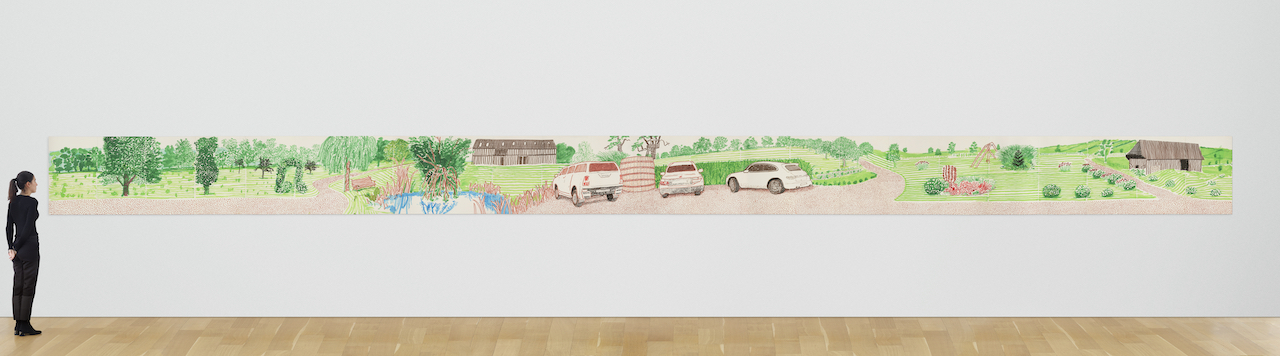
A truly unique lot is being offered by Christie's, available online from March 17 to 31, and on display at the major London galleries until March 31. This remarkable piece is one of David Hockney's largest creations, a staggering 12 meters long, printed on a single sheet of paper, and his most
El Greco Masterpiece Uncovered in Vatican: Hidden Under a Forgery
Art history is frequently punctuated by unexpected and serendipitous discoveries. Among these is the latest revelation from the Vatican Museums, where a routine conservation intervention has brought to light an authentic painting by El Greco, which had remained invisible for decades beneath a

Modena's Gate26A Hosts Aleksandr Nuss's Art: Where Matter Erodes and Light Reveals
Modena offers a serene escape from the vibrant chaos of nearby Bologna, presenting itself as an ordered and pristine city, a tranquil setting for everyday life. Within this calm environment, an independent space named Gate26A, founded by a collective of four individuals, injects a dynamic ener

Peggy Guggenheim's London Years: The Birth of a Collector in Venice Exhibition
Many are unaware of a crucial, often overlooked chapter in the life of Peggy Guggenheim, the visionary who transformed a palazzo on the Grand Canal into a bastion of modernism: her entrepreneurial venture with the Guggenheim Jeune gallery in London. The exhibition, Peggy Guggenheim in London: B
Selvatica 2026 in Biella: Art and Nature in Dialogue, Featuring Historical Authors and New Talents
The eleventh edition of Selvatica – Art and Nature in Festival, a biennial event held in Piazzo, Biella's historic district, has commenced and will run until July 19, 2026. The festival aims to foster a dialogue between artistic languages, scientific research, and educational practices to crea