Seven Artists Explore Identity Fragility: 'The Bell Jar' Exhibition at Monti8 in Rome
What happens when our comfort zone shatters, and we face the chasm between how we perceive ourselves and others' expectations, failing to meet them? A profound sense of disorientation, social and spatial confusion, and the realization of internal inconsistency emerge. This leads to the small compromises needed to survive and gain gratification, just enough to move forward. This is precisely the experience of young Esther, the protagonist of The Bell Jar (1963), the sole novel by American writer Sylvia Plath (Jamaica Plain, 1932 – London 1963).
A failure overwhelms her, making her realize she has always been confined under a 'bell jar.' From this autobiographical perspective, Sylvia Plath unsparingly describes depression, anxiety, and the struggle and inability to reject the patterns imposed by 1950s society. The exhibition of the same name, co-curated by Massimiliano Maglione and open until April 24 at the MONTI8 gallery in Rome's San Lorenzo district, draws its title directly from the novel by the writer, who died by suicide in London at just 30, months before the book's publication. Central to the collective artists' exploration is the symbolic image of the bell jar itself, which intuitively serves as both a metaphor for excessive protection, even deprivation and individual repression, and, in a more positive light, a tool for safeguarding delicate and precious objects.
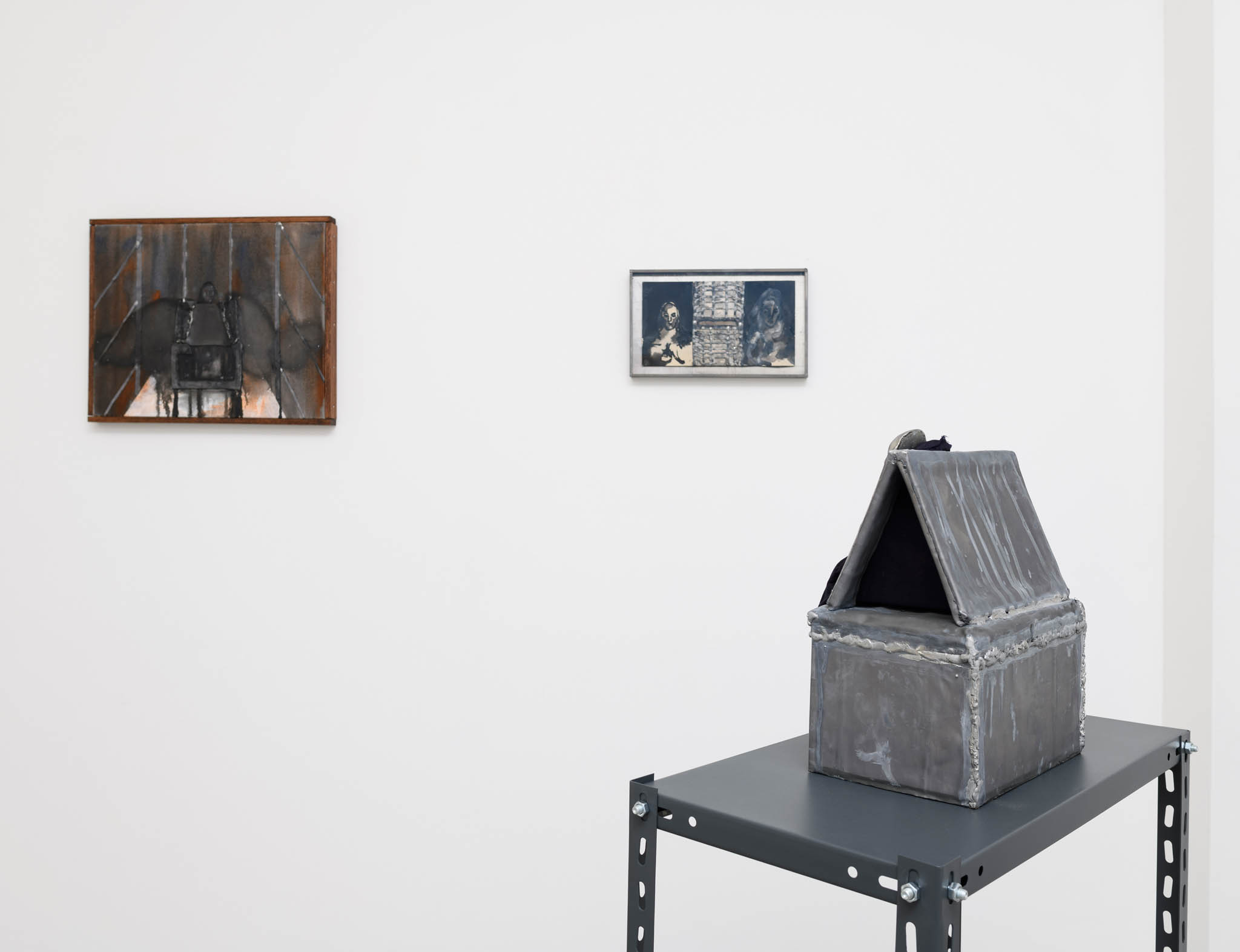
Naomi Hawksley's (USA, 2000) installation Untitled (2026) stands out, featuring an old cot used by the artist as a frame for a graphite drawing on parchment and paper, in which a young woman seems to reflect. One wonders if she recognizes herself in the image before her and what existential division she is experiencing.
However, Hawksley's figure remains relatively clear and recognizable, unlike that outlined by Mounir Eddib (Belgium, 1995) in his painting The Pit (2026), where a pervasive sense of intense unease and isolation dominates. The Belgian artist takes us deeper into the human abyss, fully revealing the drama that, conversely, Naomi Hawksley delicately sketches in the immediately preceding phase of disavowal and rupture. Furthermore, with his painting Unshaken (2006) and the installation Insider-Outsider (2026), Mounir Eddib even dismantles the last vestiges of comfort for the visitor. The confrontation with our inner demons – he seems to suggest – cannot be approached with half-measures, a sentiment also evident in the unsettling work of Ruby Chen (China, 2001), In a Building That Is Falling Apart (2025), and Camilla Alberti's (Italy, 1994) installation Saltational Monsters (2024). From this perspective emerges a pain that drags one into a dark, one-dimensional realm, from which redemption is hard to find. The resulting solitude appears scarcely decipherable or comprehensible to outside observers.
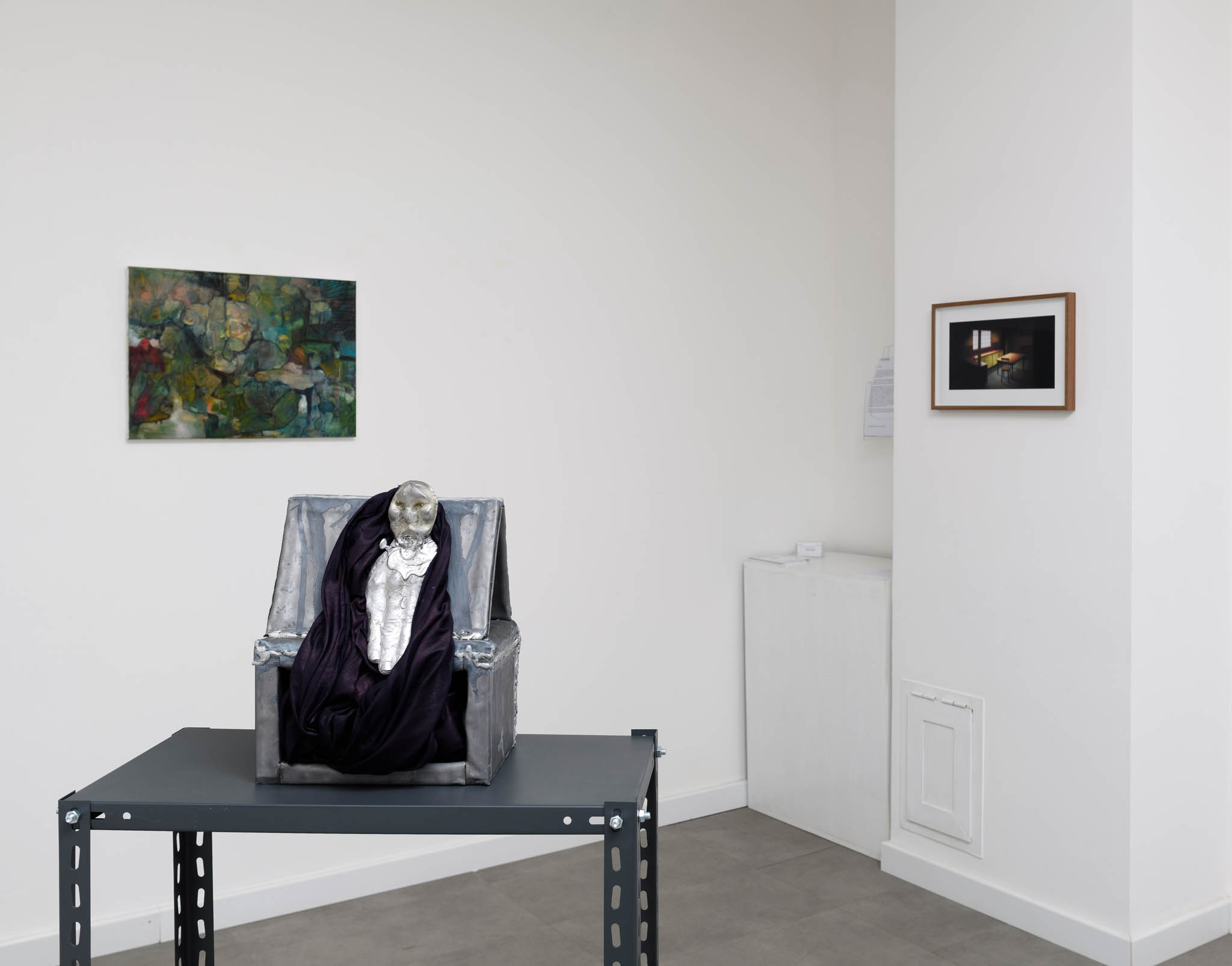
In the chiaroscuro of a room with The Kitchen (2026) or the perspectival light of stairs with Stairs (2026), Steffen Kern (Germany, 1988) unveils a dreamlike, partly figurative condition, amplified by his choice to use pastels on paper, similar to Stephen Buscemi's (USA, 1998) work Small Song (2024). In contrast, with Amber Wynne-Jones's (USA, 2003) paintings, Art of Mirrors (2025) and Dancer, Driver (2025), the sensation is one of reappropriating the intimate dimension, a reconciliation of the rupture between self and world, tracing back to the origin of pain, eloquently expressed by her choice to introduce a palette of colors not seen in the other exhibited works.
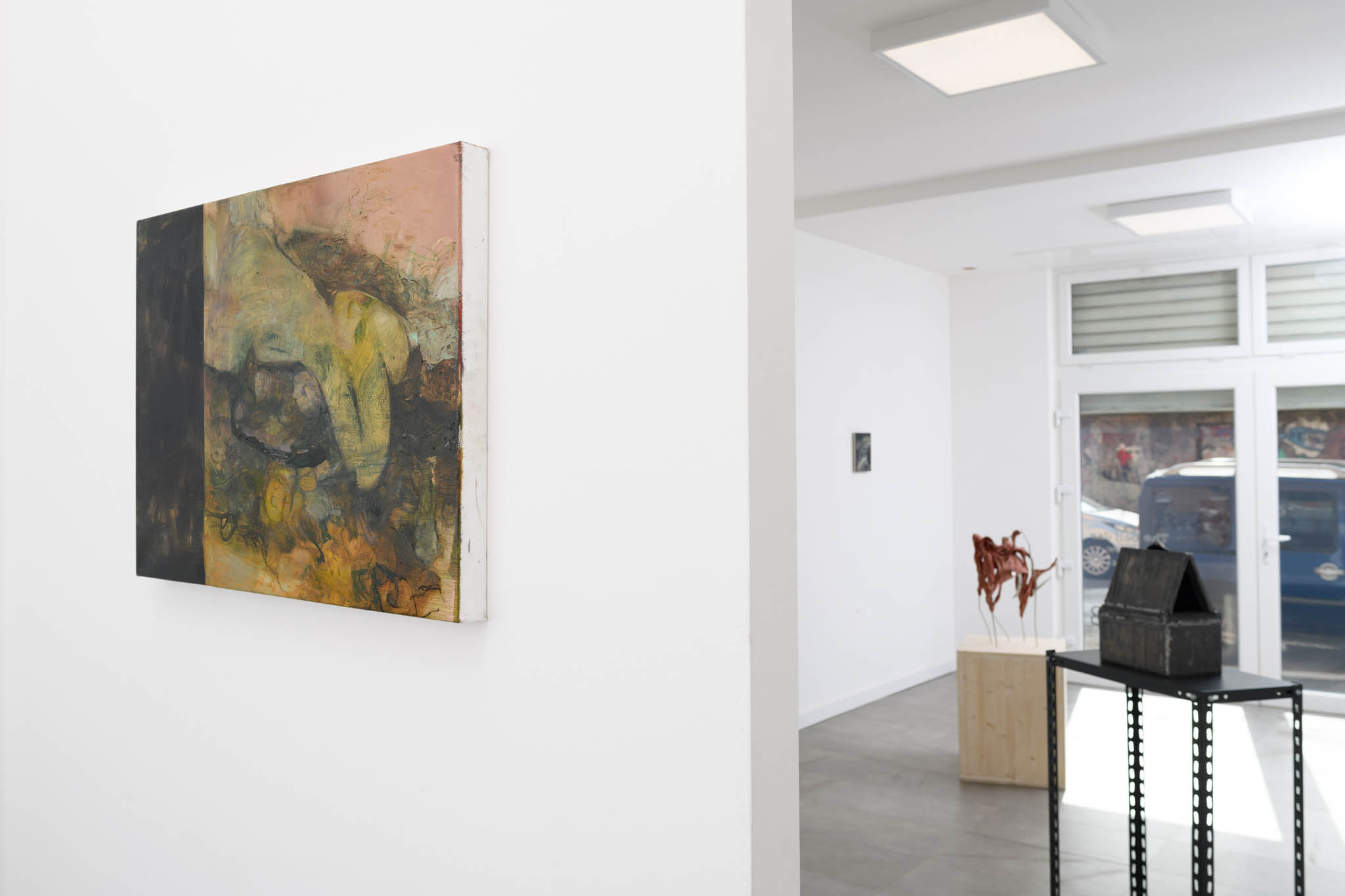
From that bell jar, from which Sylvia Plath's character attempts to break free, emerges a suspension of reality, a modern alienation, a barrier to self-narration, a disintegration of identity and language that collectively produce a sense of social estrangement, keenly observed by the exhibiting artists. The Bell Jar thus offers a space for reflection on one's own condition and the necessity of re-engaging with self-awareness as a tool for observing reality.
By challenging perceptual automatisms and interpretive habits, visitors can reclaim their observational autonomy; they are allowed to linger in the gray areas, in the ambiguity and uncertainty of their emotional state. The exhibition leaves an open question, suggesting that awareness of one's inner identity is built through a continuous, often fragile, yet necessary and fruitful process.
Novedades — Society
La participación cultural: más allá de la mera asistencia, la necesidad de compartir el poder
```html La participación cultural: más allá de la mera asistencia, la necesidad de compartir el poder La participación se ha convertido en un término ubicuo, presente en convocatorias, proyectos europeos, programas culturales y planes de regeneración urbana. Se presenta como un
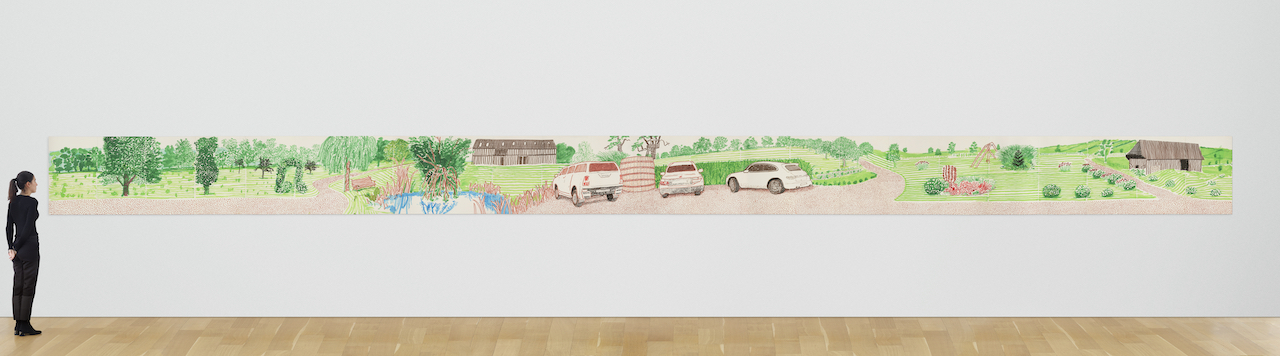
David Hockney's Monumental 12-Meter Print Heads to Christie's Auction
A truly unique lot is being offered by Christie's, available online from March 17 to 31, and on display at the major London galleries until March 31. This remarkable piece is one of David Hockney's largest creations, a staggering 12 meters long, printed on a single sheet of paper, and his most
El Greco Masterpiece Uncovered in Vatican: Hidden Under a Forgery
Art history is frequently punctuated by unexpected and serendipitous discoveries. Among these is the latest revelation from the Vatican Museums, where a routine conservation intervention has brought to light an authentic painting by El Greco, which had remained invisible for decades beneath a

Modena's Gate26A Hosts Aleksandr Nuss's Art: Where Matter Erodes and Light Reveals
Modena offers a serene escape from the vibrant chaos of nearby Bologna, presenting itself as an ordered and pristine city, a tranquil setting for everyday life. Within this calm environment, an independent space named Gate26A, founded by a collective of four individuals, injects a dynamic ener

Peggy Guggenheim's London Years: The Birth of a Collector in Venice Exhibition
Many are unaware of a crucial, often overlooked chapter in the life of Peggy Guggenheim, the visionary who transformed a palazzo on the Grand Canal into a bastion of modernism: her entrepreneurial venture with the Guggenheim Jeune gallery in London. The exhibition, Peggy Guggenheim in London: B
Selvatica 2026 in Biella: Art and Nature in Dialogue, Featuring Historical Authors and New Talents
The eleventh edition of Selvatica – Art and Nature in Festival, a biennial event held in Piazzo, Biella's historic district, has commenced and will run until July 19, 2026. The festival aims to foster a dialogue between artistic languages, scientific research, and educational practices to crea