Scarecrow: Art as a Vital Guardian at Flashback Habitat
With the arrival of spring and the beginning of field preparation, Flashback Habitat presents a compelling collective exhibition dedicated to the scarecrow, one of humanity's most ancient forms of protection. This enduring figure, utilized for millennia to safeguard cultivated lands, acts as a guardian that asserts its presence without force, a silent and potent admonition.
Traditionally crafted from discarded garments, straw, and recycled materials on a cross-shaped structure, the scarecrow serves as a static avatar of human presence. Simultaneously, it functions as an amulet, delineating territory and protecting the painstakingly earned harvest. It vigilantly oversees the fields from sowing through the critical autumn collection. Despite its sometimes unsettling appearance, the scarecrow is fundamentally innocuous, and for the exhibition's curators, it is interpreted as an archetype of non-violent, yet determined and defensive, intervention.
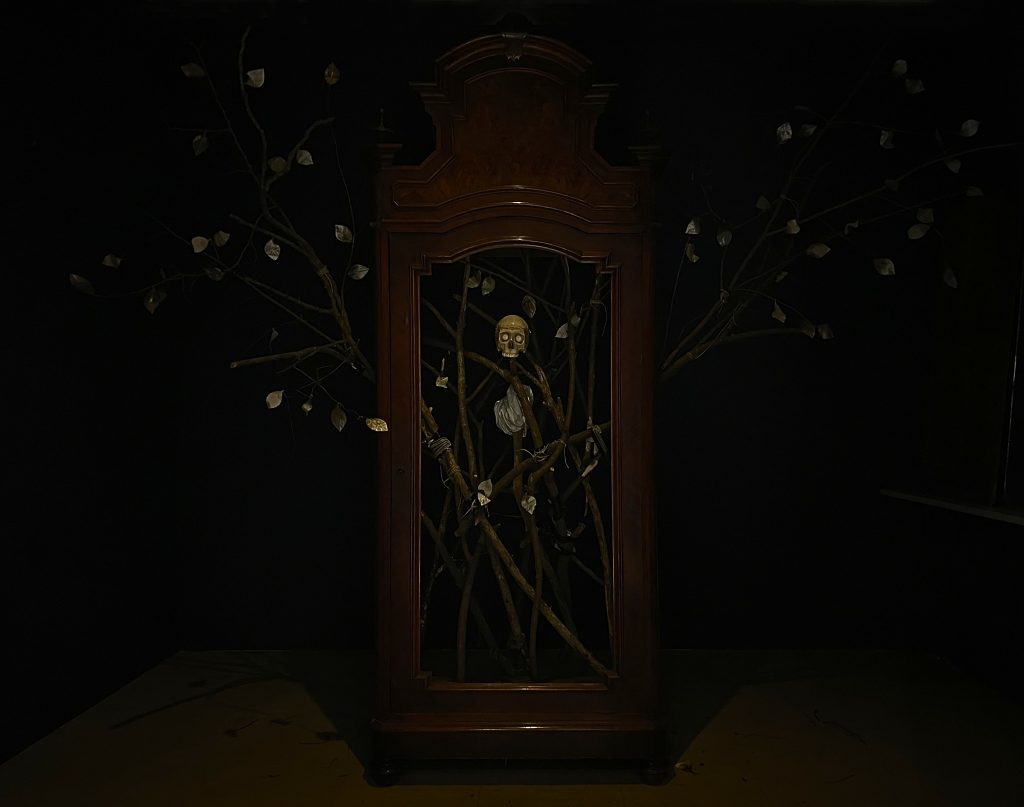
«The scarecrow safeguards a living territory from external aggression and attacks. It is passive; it neither attacks nor reacts, but through its mere presence, it has always had the task of protecting what exists and existence itself. It is made in urgency, with whatever is at hand, with what is found where it will stand. It is put together with the scraps and debris of life. The scarecrow is the artwork, but it is also the artist: it is the Guardian. A humble element, which seemingly blends with its surroundings, yet plays an important role against certain dark forces.»
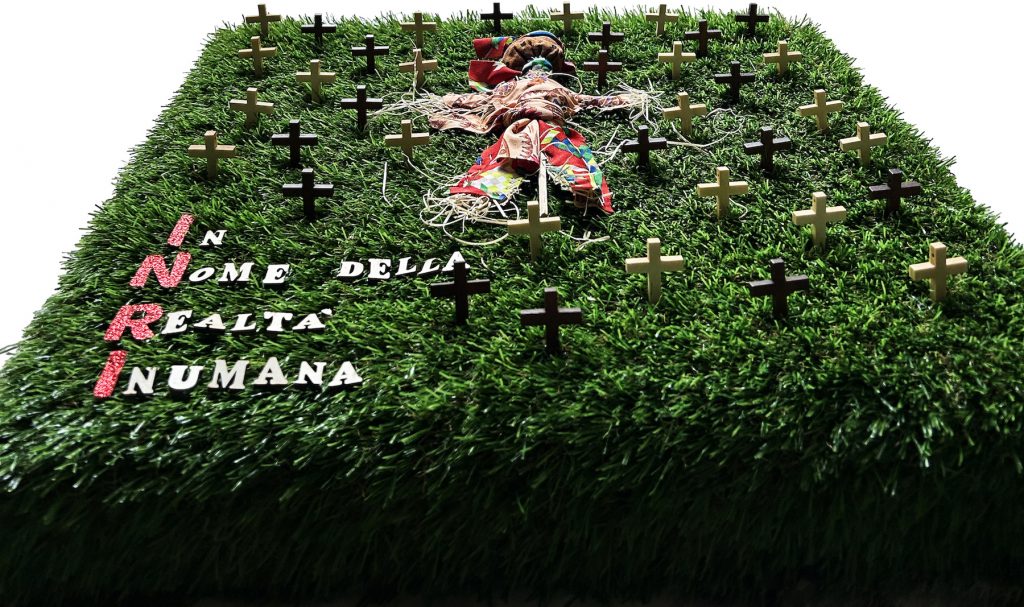
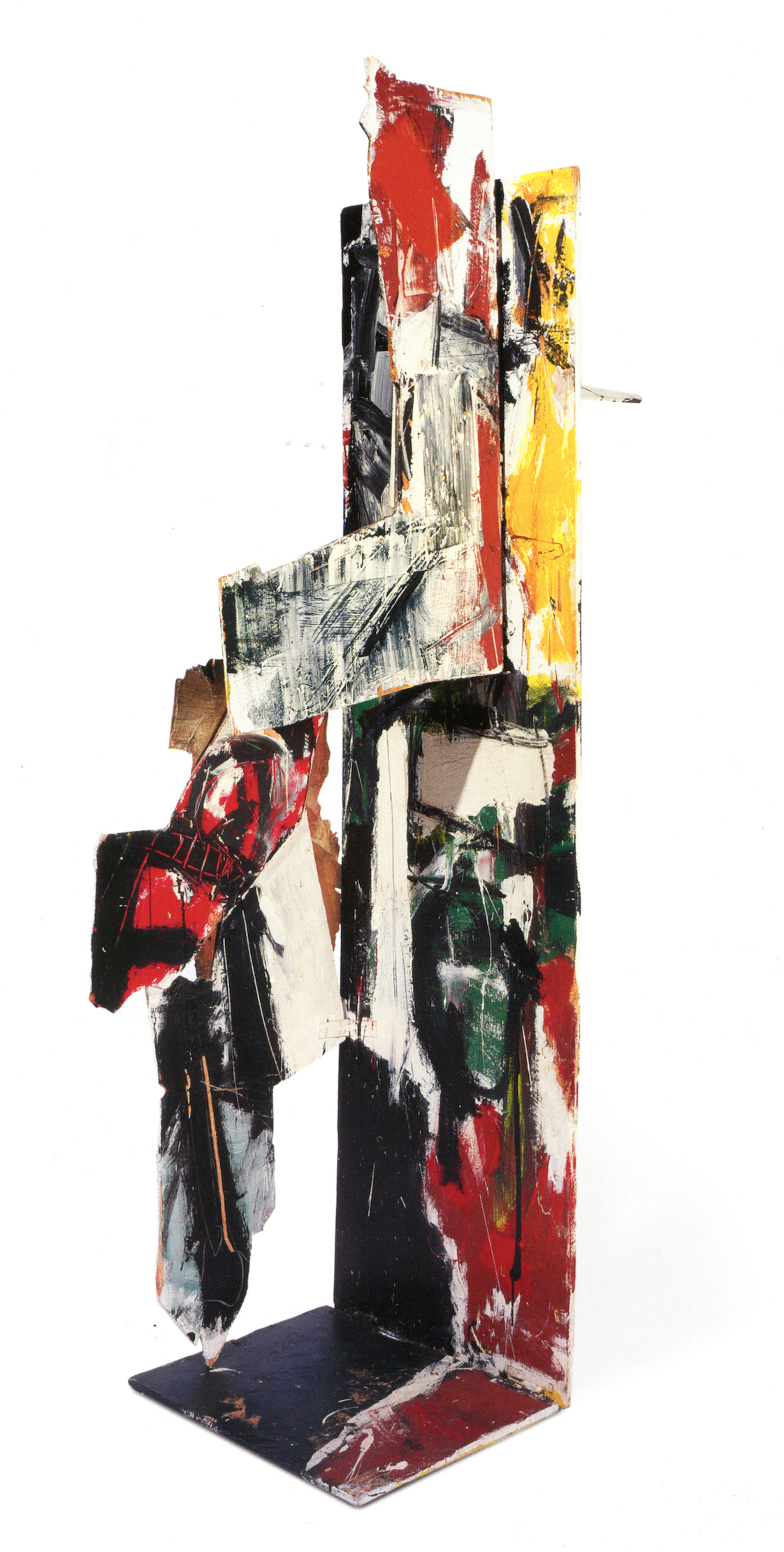
The exhibition delves into the symbolic and ethical dimensions of the scarecrow, spanning various artistic forms including performance, sculpture, installation, drawing, painting, photography, and video art. The field guardian is interpreted in strikingly diverse ways: for some, it manifests as a grand wooden cat; for others, an imposing golem. It transforms into an abstract assemblage of recycled pieces or is depicted as a worker in tomato fields. Its presence is narrated through fantastic bestiaries, surreal sculptures, perturbing oil paintings, or installations that evoke science fiction settings. The field's scarecrow even finds an abstract resonance in an artwork by Emilio Vedova, a tension-filled sculptural composition that powerfully dominates the space.
Participating Artists
The exhibition "Scarecrow: Artists Guarding Life" features a collaborative narrative by the following artists:
- Paola Angelini
- Mariantonietta Bagliato
- Elena Bellantoni
- Enrico Bertelli
- Alessandro Bulgini
- Cosimo Calabrese
- Luce
- Monica Carocci
- Pierluca Cetera
- Luca De Angelis
- Iginio De Luca
- Giuseppe De Mattia
- Davide Dormino
- Elena El Asmar
- Matteo Fato
- Alexander Mostafa Fazari
- Serena Fineschi
- Raffaele Fiorella
- Oscar Giaconia
- Gabriele Hoxha
- Filippo La Vaccara
- Pierfrancesco Lafratta
- Francesco Lauretta
- Fabrizio Lucchesi
- Milo Maricelli
- Giorgia D. Mascitti
- Sandro Mele
- Franco Menicagli
- Veronica Montanino
- Maria Palmieri
- Luca Pancrazzi
- Luana Perilli
- Carl Von Pfeill
- Cristina Pistoletto
- Demis Rosa
- Roxy in the Box
- Marco Rubiola
- Alessandro Scarabello
- Gaia Scaramella
- Francesco Sena
- Nina Silvestri
- Emilio Vedova
- Anna Viscuso
Novedades — Society

La participación cultural: más allá de la mera asistencia, la necesidad de compartir el poder
```html La participación cultural: más allá de la mera asistencia, la necesidad de compartir el poder La participación se ha convertido en un término ubicuo, presente en convocatorias, proyectos europeos, programas culturales y planes de regeneración urbana. Se presenta como un
David Hockney's Monumental 12-Meter Print Heads to Christie's Auction
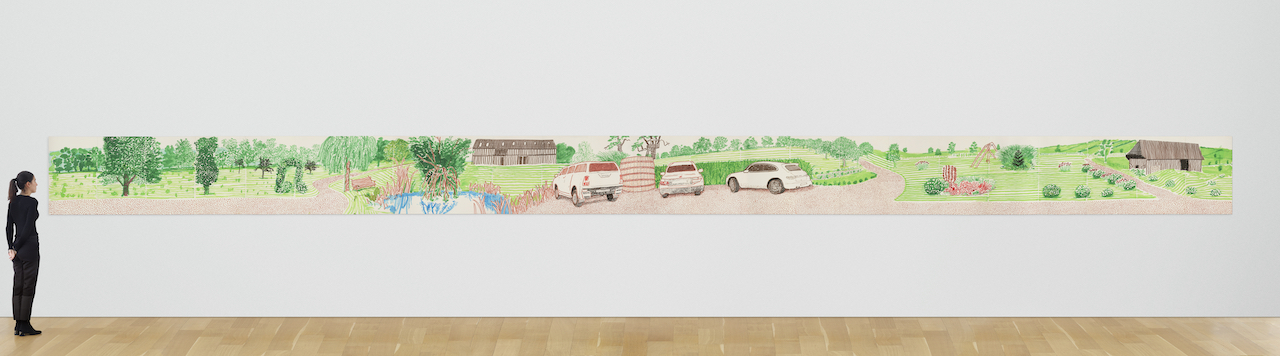
A truly unique lot is being offered by Christie's, available online from March 17 to 31, and on display at the major London galleries until March 31. This remarkable piece is one of David Hockney's largest creations, a staggering 12 meters long, printed on a single sheet of paper, and his most

El Greco Masterpiece Uncovered in Vatican: Hidden Under a Forgery
Art history is frequently punctuated by unexpected and serendipitous discoveries. Among these is the latest revelation from the Vatican Museums, where a routine conservation intervention has brought to light an authentic painting by El Greco, which had remained invisible for decades beneath a

Modena's Gate26A Hosts Aleksandr Nuss's Art: Where Matter Erodes and Light Reveals
Modena offers a serene escape from the vibrant chaos of nearby Bologna, presenting itself as an ordered and pristine city, a tranquil setting for everyday life. Within this calm environment, an independent space named Gate26A, founded by a collective of four individuals, injects a dynamic ener

Peggy Guggenheim's London Years: The Birth of a Collector in Venice Exhibition
Many are unaware of a crucial, often overlooked chapter in the life of Peggy Guggenheim, the visionary who transformed a palazzo on the Grand Canal into a bastion of modernism: her entrepreneurial venture with the Guggenheim Jeune gallery in London. The exhibition, Peggy Guggenheim in London: B
Selvatica 2026 in Biella: Art and Nature in Dialogue, Featuring Historical Authors and New Talents
The eleventh edition of Selvatica – Art and Nature in Festival, a biennial event held in Piazzo, Biella's historic district, has commenced and will run until July 19, 2026. The festival aims to foster a dialogue between artistic languages, scientific research, and educational practices to crea