Intervista a Elisa Zadi
Come è iniziato il tuo percorso artistico? C’è un momento, un incontro o un’esperienza che ha segnato l’inizio della tua ricerca?
Il mio percorso artistico ha preso forma durante il periodo accademico, in un'esperienza unica e formativa. Insieme ad altri aspiranti artisti, ho avuto l'opportunità di vivere in uno spazio autogestito che fungeva da residenza e scuola, completamente isolato dal contesto sociale. Per diversi anni, durante i mesi estivi, ho soggiornato in una vecchia tabaccaia abbandonata sulle rive del lago di Bilancino. Questo periodo è stato cruciale; mi ha fatto comprendere profondamente come la pratica artistica fosse per me uno strumento indispensabile per decifrare la realtà, sia quella esterna che la mia dimensione interiore.
How did your artistic journey begin? Is there a moment, an encounter, or an experience that marked the beginning of your quest?
My artistic path took shape during my academic years, through a unique and formative experience. Along with other aspiring artists, I had the opportunity to live in a self-managed space that served as both residence and school, completely isolated from the social context. For several years, during the summer months, I stayed in an old abandoned tobacco drying facility on the shores of Lake Bilancino. This period was crucial; it made me deeply understand how artistic practice was an indispensable tool for me to decipher reality, both external and my inner dimension.
Quali temi o domande guidano il tuo lavoro oggi? Cosa ti spinge a sviluppare nuove opere?
La mia arte è guidata dalla necessità di esplorare la Bellezza e di comprendere il mondo in cui vivo. Attraverso la contemplazione e la pittura, mi muovo in un territorio sottile ma autentico, dove materia e spirito, visibile e invisibile si incontrano. I miei temi principali includono l'introspezione, l'attenzione al femminino, la relazione profonda con la natura, il rapporto tra corpo e spazio, e la Legge della Corrispondenza.
What themes or questions guide your work today? What drives you to develop new pieces?
My art is driven by the need to explore Beauty and to understand the world I live in. Through contemplation and painting, I move within a subtle yet authentic territory where matter and spirit, visible and invisible, meet. My main themes include introspection, attention to the feminine, a deep relationship with nature, the connection between body and space, and the Law of Correspondence.
Che ruolo giocano i materiali e le tecniche nella tua pratica? Come scegli gli strumenti espressivi con cui lavorare?
Credo fermamente che la tecnica debba evolversi in base alle esigenze espressive, e non il contrario. I materiali diventano quindi la conseguenza di soluzioni sempre diverse, uno strumento malleabile e personalizzabile. Il mio approccio al colore ad olio, ad esempio, si discosta dalla tecnica accademica tradizionale: parto da pigmento puro con olio di lino, ma spesso lo "sgrasso" con essenza di trementina e resine per ottenere diluizioni e trasparenze specifiche. Anche i pastelli sono prodotti da me, il che mi consente di personalizzare consistenze e cromie. Mi affascina lavorare con materie prime e semplici, seguendo un procedimento artigianale che ricorda le botteghe rinascimentali. Questo metodo mi permette di approfondire la conoscenza della materia e di sperimentare varie tecniche, adattando la chimica alle mie precise esigenze creative.
L'opera per me inizia proprio con la preparazione del supporto e del colore. Spesso dico: "non dipingo su tela, ma con la tela". Quest'ultima è realizzata con tessuto di cotone grezzo, preparato con colla di coniglio, a cui aggiungo poi miscele di pigmento, olio, resine ed essenze che fungono da colori e medium. Questo processo, in parte sperimentale e quasi alchemico, mi garantisce una grande libertà e si integra perfettamente con il mio flusso creativo.
What role do materials and techniques play in your practice? How do you choose the expressive tools you work with?
I firmly believe that technique must evolve according to expressive needs, and not the other way around. Materials thus become a consequence of constantly varying solutions, a malleable and customizable tool. My approach to oil paint, for example, deviates from traditional academic technique: I start with pure pigment and linseed oil, but I often "degrease" it with turpentine essence and resins to achieve specific dilutions and transparencies. My pastels are also self-produced, allowing me to customize consistencies and colors. I am fascinated by working with raw and simple materials, following an artisanal process reminiscent of Renaissance workshops. This method allows me to delve deeply into the knowledge of materials and to experiment with various techniques, perfectly adapting chemistry to my precise creative needs.
For me, the work begins precisely with the preparation of its support and color. I often say: "I don't paint on canvas, but with the canvas." The latter is made from raw cotton fabric, prepared with rabbit glue, to which I then add mixtures of pigment, oil, resins, and essences that serve as colors and mediums. This process, partly experimental and almost alchemical, grants me great freedom and integrates perfectly with my creative flow.
Puoi parlarci di un’opera o un progetto a cui sei particolarmente legata? Cosa rappresenta per te e quali sfide ha comportato?
L'opera Florilegium segna un nuovo inizio e un cambiamento significativo nel mio approccio pittorico, ma la sua storia affonda le radici molto più indietro nel tempo. Circa quindici anni fa, trovai in campagna un cerchio di legno abbandonato vicino a una fattoria disabitata. Fui subito attratta da questo oggetto, che sembrava raccontare una storia antica e sconosciuta, e decisi di raccoglierlo, pur essendo ingombrante e senza sapere esattamente a cosa potesse servire. Nel corso di vari traslochi e cambiamenti di vita, questo pezzo di legno è sempre rimasto con me. Finalmente, nel 2024, ho deciso di stendere una tela su di esso e di dipingerci. Quest'opera è destinata a rimanere nella mia collezione privata, proprio per il suo legame con il mistero e il tempo latente.
Florilegium ha ricevuto riconoscimenti importanti, essendo selezionata da Arteam Cup e menzionata al Combat Prize, e ha dato il nome alla mia mostra omonima al Museo della Fraternita di Arezzo. Da quest'opera in poi, il formato rotondo è diventato una costante nei miei lavori. Ho sempre cercato una circolarità costruttiva che guidasse il movimento dello sguardo all'interno delle mie opere, un dinamismo che permettesse all'occhio di viaggiare liberamente e continuamente, lasciando allo spettatore la libertà di scegliere il proprio punto focale.
Can you tell us about a work or project you are particularly attached to? What does it represent for you and what challenges did it entail?
The work Florilegium marks a new beginning and a significant change in my pictorial approach, but its story goes back much further in time. About fifteen years ago, I found an abandoned wooden circle in the countryside near an uninhabited farmhouse. I was immediately drawn to this object, which seemed to tell an ancient and unknown story, and I decided to pick it up, despite it being cumbersome and without knowing exactly what it could be for. Throughout various moves and life changes, this piece of wood always stayed with me. Finally, in 2024, I decided to stretch a canvas over it and paint. This work is destined to remain in my private collection, precisely because of its connection to mystery and latent time.
Florilegium has received important recognition, being selected by Arteam Cup and mentioned in the Combat Prize, and it lent its name to my eponymous exhibition at the Museo della Fraternita in Arezzo. From this work onwards, the round format has become a constant in my creations. I have always sought a constructive circularity that guides the movement of the gaze within my works, a dynamism that allows the eye to travel freely and continuously, leaving the viewer the freedom to choose their preferred focal point.
Come affronti la fase di ricerca e sviluppo di un progetto? Segui un metodo o un processo specifico?
Direi che si tratta più di un processo che di un metodo. Mi piace la libertà creativa e cerco di evitare idee troppo rigide o prestabilite. Mi affido alle immagini che emergono spontaneamente durante il processo creativo e le seguo, lasciandomi guidare dalle sensazioni e riducendo al minimo l'intervento della mente razionale. Non realizzo disegni preparatori, poiché credo che questi comprometterebbero il piacere della scoperta. Questo approccio mi permette di vivere l'atto pittorico come un viaggio sorprendente, in cui mi affido alla pittura che si rivela passo dopo passo nell'esecuzione. Questo mi sembra l'unico modo autentico e coerente con il mio sentire, e non potrei mai profanarlo.
In sintesi, il mio lavoro si sviluppa per associazione di sensazioni e immagini. Parto semplicemente da un soggetto che cattura la mia attenzione nella realtà o che è custodito nella mia memoria e, una volta fissato sulla tela, questo elemento innesca l'inizio di una storia, un'epifania che poi non faccio altro che seguire.
How do you approach the research and development phase of a project? Do you follow a specific method or process?
I would say it's more of a process than a method. I appreciate creative freedom and try to avoid overly rigid or predetermined ideas. I trust the images that emerge spontaneously during the creative process and follow them, allowing myself to be guided by sensations and minimizing the intervention of the rational mind. I do not create preparatory drawings, as I believe they would compromise the pleasure of discovery. This approach allows me to experience the act of painting as a surprising journey, in which I surrender to the paint as it reveals itself step by step during execution. This seems to be the only authentic and coherent way for me, and I could never profane it.
In short, my work develops through the association of sensations and images. I simply start from a subject that captures my attention in reality or that is stored in my memory, and once fixed on the canvas, this element triggers the beginning of a story, an epiphany that I then merely follow.
Quali sono le principali sfide che incontri come artista oggi? E come cerchi di superarle?
Le maggiori sfide che affronto oggi riguardano le impostazioni socio-culturali dominanti. Penso al concetto di artista, al ruolo della donna, e allo spazio che la spiritualità e la poesia occupano nella nostra società. Non mi sorprendo della distruzione, dell'abbrutimento, della violenza e della competizione che spesso caratterizzano il nostro tempo. Non mi identifico con questo sistema, ma sono anche consapevole di non poter risolvere singolarmente tutte le sue problematiche. Tuttavia, posso prendere le distanze da tutto ciò e reagire agli opposti, focalizzandomi sulla creazione, ricercando la bellezza, la gentilezza, la spiritualità, e promuovendo l'introspezione e la libertà intellettuale.
What are the main challenges you face as an artist today? And how do you try to overcome them?
The biggest challenges I face today relate to prevailing socio-cultural frameworks. I think about the concept of the artist, the role of women, and the space that spirituality and poetry occupy in our society. I am not surprised by the destruction, degradation, violence, and competition that often characterize our time. I do not identify with this system, but I am also aware that I cannot individually solve all its problems. However, I can distance myself from all of it and react to the opposites, focusing on creation, seeking beauty, kindness, spirituality, and promoting introspection and intellectual freedom.
Novedades — Society
La participación cultural: más allá de la mera asistencia, la necesidad de compartir el poder
```html La participación cultural: más allá de la mera asistencia, la necesidad de compartir el poder La participación se ha convertido en un término ubicuo, presente en convocatorias, proyectos europeos, programas culturales y planes de regeneración urbana. Se presenta como un
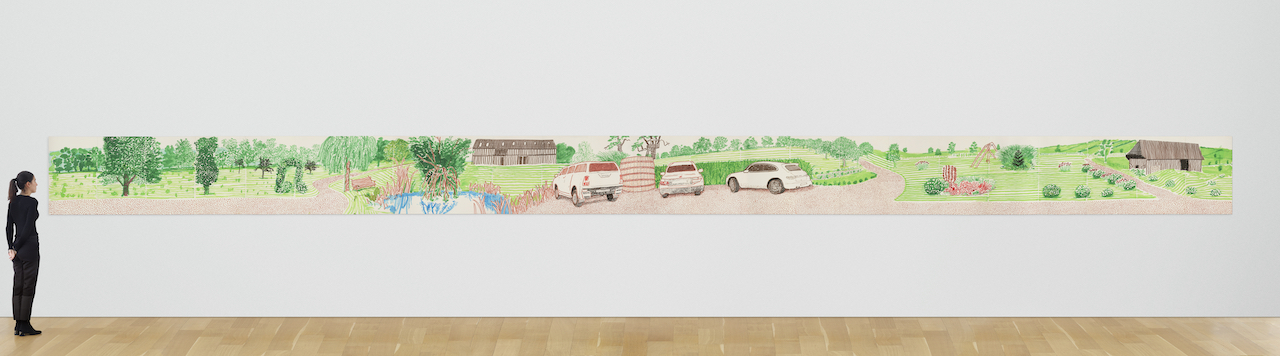
David Hockney's Monumental 12-Meter Print Heads to Christie's Auction
A truly unique lot is being offered by Christie's, available online from March 17 to 31, and on display at the major London galleries until March 31. This remarkable piece is one of David Hockney's largest creations, a staggering 12 meters long, printed on a single sheet of paper, and his most

El Greco Masterpiece Uncovered in Vatican: Hidden Under a Forgery
Art history is frequently punctuated by unexpected and serendipitous discoveries. Among these is the latest revelation from the Vatican Museums, where a routine conservation intervention has brought to light an authentic painting by El Greco, which had remained invisible for decades beneath a
Modena's Gate26A Hosts Aleksandr Nuss's Art: Where Matter Erodes and Light Reveals
Modena offers a serene escape from the vibrant chaos of nearby Bologna, presenting itself as an ordered and pristine city, a tranquil setting for everyday life. Within this calm environment, an independent space named Gate26A, founded by a collective of four individuals, injects a dynamic ener

Peggy Guggenheim's London Years: The Birth of a Collector in Venice Exhibition
Many are unaware of a crucial, often overlooked chapter in the life of Peggy Guggenheim, the visionary who transformed a palazzo on the Grand Canal into a bastion of modernism: her entrepreneurial venture with the Guggenheim Jeune gallery in London. The exhibition, Peggy Guggenheim in London: B
Selvatica 2026 in Biella: Art and Nature in Dialogue, Featuring Historical Authors and New Talents
The eleventh edition of Selvatica – Art and Nature in Festival, a biennial event held in Piazzo, Biella's historic district, has commenced and will run until July 19, 2026. The festival aims to foster a dialogue between artistic languages, scientific research, and educational practices to crea