Il Museo Wagner si unisce alla rete MUVE: Venezia arricchisce la sua offerta culturale
Venezia continua a tessere la sua ricca trama culturale. Un accordo siglato tra la Fondazione Musei Civici di Venezia (MUVE), il Casinò e l’Associazione Richard Wagner ha ufficialmente inserito il museo dedicato al grande compositore di Lipsia nel sistema museale cittadino. Previsto per il 2027, il museo diventerà pienamente operativo, offrendo ai visitatori un'opportunità unica per esplorare la vita e le opere del geniale musicista.
Il Museo Wagner: un capitolo essenziale per la conoscenza enciclopedica di Venezia
Dal 1995, il Museo Wagner è alloggiato nel piano ammezzato dello storico Palazzo Ca’ Vendramin Calergi, lo stesso luogo dove Wagner si spense il 13 febbraio 1883. Ora, questo sito diventa il quattordicesimo elemento della vasta rete MUVE.
L'intesa, firmata dalla presidente Mariacristina Gribaudi e dal sindaco Luigi Brugnaro, trasferisce alla Fondazione la gestione degli spazi espositivi e di una collezione privata di valore inestimabile. Essa comprende documenti rari, spartiti originali, manifesti e ricordi che testimoniano il profondo legame di Wagner con la laguna veneziana, il suo amato rifugio lontano dal caos del mondo.
Questa integrazione potenzia notevolmente la portata enciclopedica delle collezioni dei Musei Civici e aprirà nuove e stimolanti prospettive curatoriali. Come evidenziato dalla Gribaudi, l’inclusione del Museo Wagner "rafforza la natura enciclopedica del nostro sistema, creando inedite connessioni dalla musica alle arti visive." Per esempio, la storia del teatro di Casa Goldoni e gli strumenti musicali del Museo Correr avranno ora un punto di riferimento diretto nell'ambito wagneriano.
Un legame particolarmente affascinante si instaura con Mariano Fortuny. Il celebre "mago" di Palazzo Pesaro degli Orfei, sebbene non abbia mai incontrato Wagner, fu profondamente influenzato dalla sua opera, grazie anche alla mediazione di Angelo Conti. Le atmosfere wagneriane, già evidenti nelle sale del Museo Fortuny, trovano ora una connessione istituzionale solida nella sede di Ca’ Vendramin Calergi.
Orizzonte 2027: sviluppo e accessibilità potenziata
Prima dell'inaugurazione del "nuovo corso" nel 2027, la Fondazione condurrà uno studio approfondito per pianificare interventi di valorizzazione e un restyling funzionale. L'obiettivo è duplice: in primo luogo, salvaguardare un patrimonio che unisce collezioni private ed eredità civica; in secondo luogo, trasformare il museo, finora frequentato principalmente da specialisti e appassionati, in un centro culturale accessibile a un pubblico internazionale e pienamente inserito nel contesto della Venezia contemporanea.
Alessandra Althoff Pugliese, presidente dell’Associazione Richard Wagner, ha espresso grande soddisfazione. Ha sottolineato come questo accordo rappresenti il culmine di un'iniziativa trentennale, nata dal gemellaggio culturale tra Venezia e Bayreuth, la città tedesca dove Wagner si stabilì nel 1872 e dove si tiene tuttora un prestigioso festival in suo onore.
Wagner Museum Joins MUVE Network: Venice Enriches Its Cultural Offering
Venice continues to weave its rich cultural tapestry. An agreement sealed between the Fondazione Musei Civici di Venezia (MUVE), the Casinò, and the Richard Wagner Association has officially integrated the museum dedicated to the great Leipzig composer into the city's museum system. Expected to be fully operational by 2027, the museum will offer visitors a unique opportunity to explore the life and works of the ingenious musician.
The Wagner Museum: An Essential Chapter for Venice's Encyclopedic Knowledge
Since 1995, the Wagner Museum has been housed on the mezzanine floor of the historic Ca’ Vendramin Calergi Palace, the very place where Wagner passed away on February 13, 1883. This site now becomes the fourteenth element of the vast MUVE network.
The agreement, signed by President Mariacristina Gribaudi in the presence of Mayor Luigi Brugnaro, entrusts the Foundation with the management of the exhibition spaces and a private collection of inestimable value. It includes rare documents, original scores, posters, and memorabilia that attest to Wagner's deep connection with the Venetian lagoon, his beloved refuge away from the world's turmoil.
This integration significantly enhances the encyclopedic scope of the Civic Museums' collections and will open up new and stimulating curatorial perspectives. As Gribaudi highlighted, the inclusion of the Wagner Museum "strengthens the encyclopedic nature of our system, creating unprecedented connections from music to visual arts." For instance, the history of Casa Goldoni's theater and the musical instrument collections of the Correr Museum will now have a direct reference point within the Wagnerian sphere.
A particularly fascinating link is established with Mariano Fortuny. The renowned "magician" of Palazzo Pesaro degli Orfei, though never having met Wagner, was profoundly influenced by his work, thanks also to the mediation of Angelo Conti. Wagnerian atmospheres, already evident in the halls of the Fortuny Museum, now find a solid institutional connection at the Ca’ Vendramin Calergi venue.
Horizon 2027: Enhanced Development and Accessibility
Before the inauguration of the "new course" in 2027, the Foundation will conduct an in-depth study to plan enhancement interventions and a functional restyling. The objective is twofold: firstly, to safeguard a heritage that combines private collections with civic legacy; secondly, to transform the museum, hitherto primarily frequented by specialists and enthusiasts, into a cultural center accessible to an international public and fully integrated into the context of contemporary Venice.
Alessandra Althoff Pugliese, President of the Richard Wagner Association, expressed great satisfaction. She underscored how this agreement represents the culmination of a thirty-year initiative, born from the cultural twinning between Venice and Bayreuth, the German city where Wagner settled in 1872 and where a prestigious festival dedicated to him is still held today.
Novedades — Society
La participación cultural: más allá de la mera asistencia, la necesidad de compartir el poder
```html La participación cultural: más allá de la mera asistencia, la necesidad de compartir el poder La participación se ha convertido en un término ubicuo, presente en convocatorias, proyectos europeos, programas culturales y planes de regeneración urbana. Se presenta como un
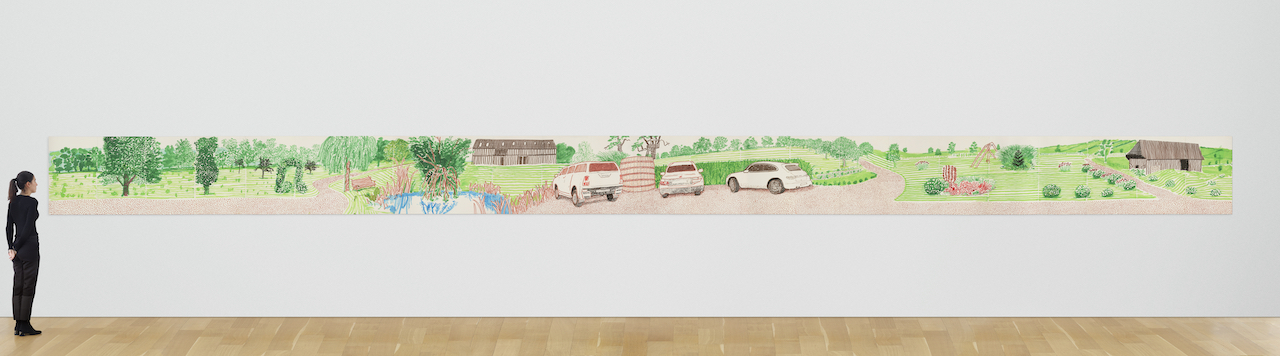
David Hockney's Monumental 12-Meter Print Heads to Christie's Auction
A truly unique lot is being offered by Christie's, available online from March 17 to 31, and on display at the major London galleries until March 31. This remarkable piece is one of David Hockney's largest creations, a staggering 12 meters long, printed on a single sheet of paper, and his most

El Greco Masterpiece Uncovered in Vatican: Hidden Under a Forgery
Art history is frequently punctuated by unexpected and serendipitous discoveries. Among these is the latest revelation from the Vatican Museums, where a routine conservation intervention has brought to light an authentic painting by El Greco, which had remained invisible for decades beneath a

Modena's Gate26A Hosts Aleksandr Nuss's Art: Where Matter Erodes and Light Reveals
Modena offers a serene escape from the vibrant chaos of nearby Bologna, presenting itself as an ordered and pristine city, a tranquil setting for everyday life. Within this calm environment, an independent space named Gate26A, founded by a collective of four individuals, injects a dynamic ener

Peggy Guggenheim's London Years: The Birth of a Collector in Venice Exhibition
Many are unaware of a crucial, often overlooked chapter in the life of Peggy Guggenheim, the visionary who transformed a palazzo on the Grand Canal into a bastion of modernism: her entrepreneurial venture with the Guggenheim Jeune gallery in London. The exhibition, Peggy Guggenheim in London: B
Selvatica 2026 in Biella: Art and Nature in Dialogue, Featuring Historical Authors and New Talents
The eleventh edition of Selvatica – Art and Nature in Festival, a biennial event held in Piazzo, Biella's historic district, has commenced and will run until July 19, 2026. The festival aims to foster a dialogue between artistic languages, scientific research, and educational practices to crea