22 Mummified Sarcophagi Discovered in Luxor Necropolis
A significant archaeological discovery in the Theban necropolis near Luxor, on the west bank of the Nile, has unveiled 22 sarcophagi containing mummies and sealed papyri. This remarkable find was made by a joint mission of the Supreme Council of Antiquities and the Zahi Hawass Foundation for Heritage and Antiquities.
The artifacts, consisting of exquisitely painted wooden sarcophagi in excellent condition, date back approximately 3,000 years to Egypt's Third Intermediate Period—a historical phase still under intense study and reinterpretation. The sarcophagi were found stacked in a rock-cut chamber, separated from their lids, an arrangement that suggests they were moved from their original resting place at a later time.
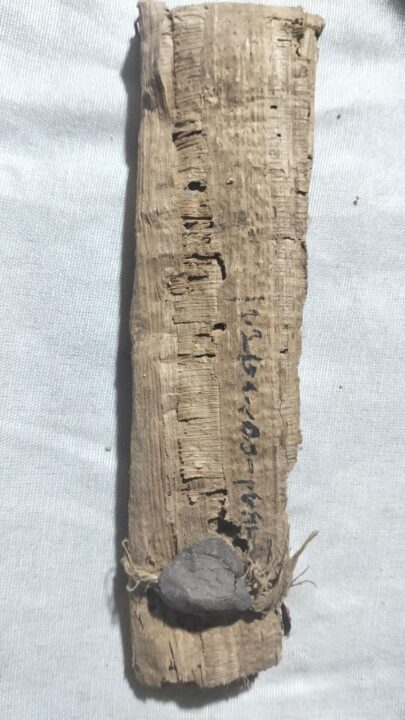
Dr. Zahi Hawass, the renowned Egyptologist leading the mission and former Minister of Antiquities, emphasized the profound importance of this discovery, particularly due to the presence of the mummies. This opens new avenues for investigating a period characterized by political fragmentation yet strong religious continuity. In addition to the sarcophagi, archaeologists uncovered eight papyrus scrolls, some still sealed, carefully preserved within a ceramic pot.
Of particular interest are the inscriptions on the sarcophagi, which primarily bear professional titles rather than personal names, frequently featuring "singer" or "chantress of Amun." This directly references the powerful cult of Amun, a central deity in the Egyptian pantheon of that era, whose clergy wielded significant political and religious influence, especially in Thebes.
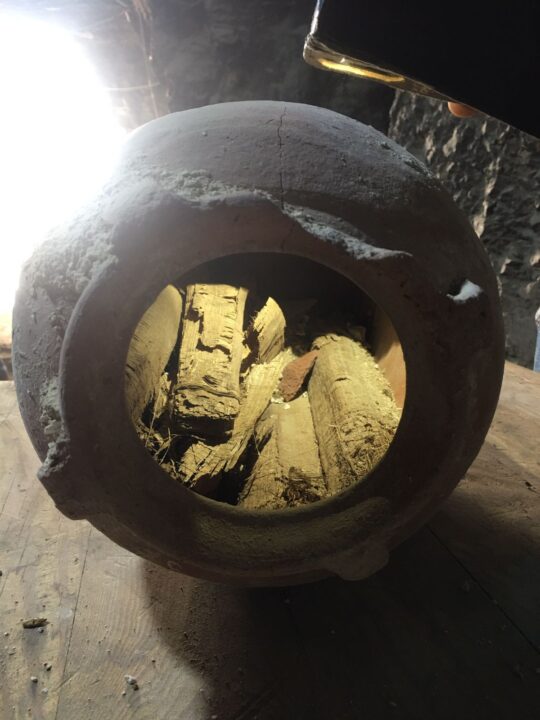
Hisham El-Leithy, Secretary General of the Supreme Council of Antiquities, highlighted how this funerary deposit offers fresh research directions concerning the role of these individuals within temple institutions. Singers and chantresses were not merely officiants; they actively participated in rituals, contributing to the symbolic and auditory construction of the cult.
The "secondary" nature of the deposit, with rearranged and repositioned sarcophagi, also hints at practices of reuse and reorganization of funerary spaces, a common phenomenon throughout the long history of the Theban necropolis. This discovery thus prompts a reconsideration of the social, religious, and logistical dynamics that permeated Pharaonic Egypt during its late-intermediate phase. Research is now underway to analyze the papyri and further study the mummies, with the aim of reconstructing their identities, functions, and origins.
Novedades — Society
La participación cultural: más allá de la mera asistencia, la necesidad de compartir el poder
```html La participación cultural: más allá de la mera asistencia, la necesidad de compartir el poder La participación se ha convertido en un término ubicuo, presente en convocatorias, proyectos europeos, programas culturales y planes de regeneración urbana. Se presenta como un
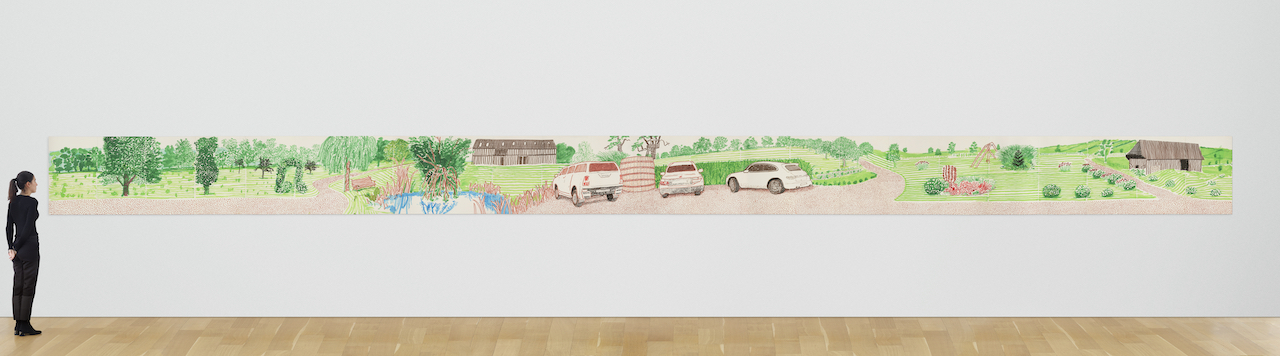
David Hockney's Monumental 12-Meter Print Heads to Christie's Auction
A truly unique lot is being offered by Christie's, available online from March 17 to 31, and on display at the major London galleries until March 31. This remarkable piece is one of David Hockney's largest creations, a staggering 12 meters long, printed on a single sheet of paper, and his most

El Greco Masterpiece Uncovered in Vatican: Hidden Under a Forgery
Art history is frequently punctuated by unexpected and serendipitous discoveries. Among these is the latest revelation from the Vatican Museums, where a routine conservation intervention has brought to light an authentic painting by El Greco, which had remained invisible for decades beneath a

Modena's Gate26A Hosts Aleksandr Nuss's Art: Where Matter Erodes and Light Reveals
Modena offers a serene escape from the vibrant chaos of nearby Bologna, presenting itself as an ordered and pristine city, a tranquil setting for everyday life. Within this calm environment, an independent space named Gate26A, founded by a collective of four individuals, injects a dynamic ener

Peggy Guggenheim's London Years: The Birth of a Collector in Venice Exhibition
Many are unaware of a crucial, often overlooked chapter in the life of Peggy Guggenheim, the visionary who transformed a palazzo on the Grand Canal into a bastion of modernism: her entrepreneurial venture with the Guggenheim Jeune gallery in London. The exhibition, Peggy Guggenheim in London: B
Selvatica 2026 in Biella: Art and Nature in Dialogue, Featuring Historical Authors and New Talents
The eleventh edition of Selvatica – Art and Nature in Festival, a biennial event held in Piazzo, Biella's historic district, has commenced and will run until July 19, 2026. The festival aims to foster a dialogue between artistic languages, scientific research, and educational practices to crea