
Many are unaware of a crucial, often overlooked chapter in the life of Peggy Guggenheim, the visionary who transformed a palazzo on the Grand Canal into a bastion of modernism: her entrepreneurial venture with the Guggenheim Jeune gallery in London. The exhibition, Peggy Guggenheim in London: Birth of a Collector, hosted at the Peggy Guggenheim Collection in Venice until October 19, 2026, aims to illuminate this period. It reconstructs the eighteen months from 1938 to 1939, during which Guggenheim, at 30 Cork Street, challenged British conservatism with her curated selection of artists and artworks.
Curated by Gražina Subelytė and Simon Grant, this exhibition is the culmination of over six years of dedicated research. The result is a thoughtfully assembled collection of approximately one hundred works, transporting visitors to a London poised between the creative ferment of the avant-garde and the looming shadow of World War II. At a time when public institutions often viewed abstraction, Surrealism, and new international artistic voices with suspicion or outright hostility, Guggenheim, guided by mentors like Marcel Duchamp and Samuel Beckett, embraced radical experimentation. Beckett, in particular, advised her to engage with contemporary art, describing it as “a living thing.”
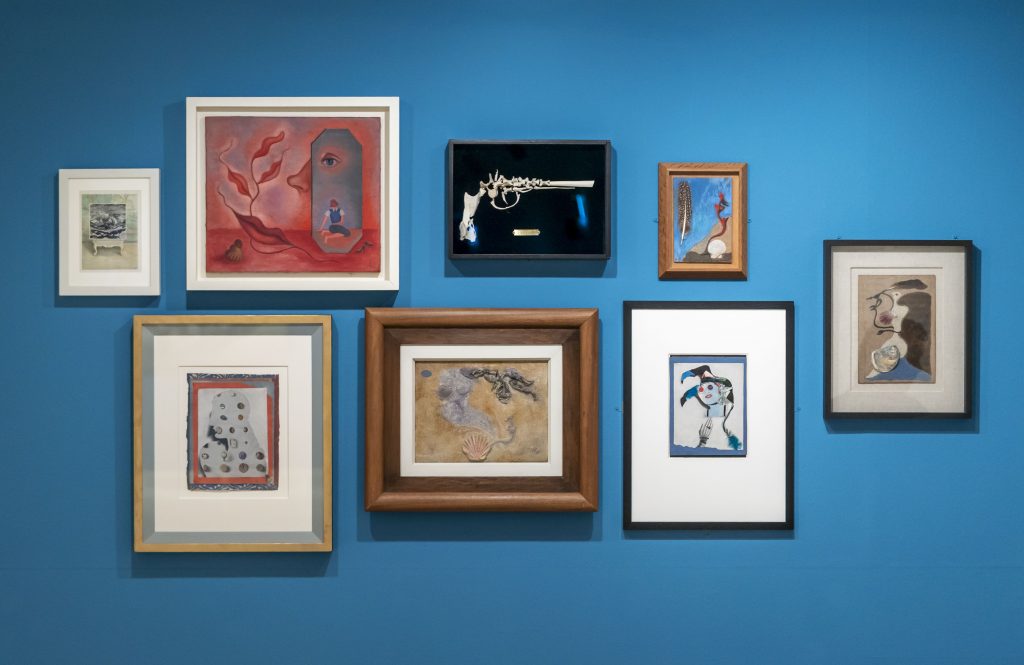
The exhibition’s layout meticulously charts the boldness of a program that presented twenty-one exhibitions in less than two years. The initial room immerses visitors in the aesthetic climate of the era, juxtaposing abstract and Surrealist masterpieces that defined the direction of Guggenheim Jeune. The exhibition then unfolds chronologically, mirroring the pioneering season’s milestones. It features the first-ever solo exhibitions in the UK for Vasily Kandinsky and Jean Cocteau, and culminates with a controversial contemporary sculpture exhibition. Works by artists such as Brancusi and Henry Moore were held up at customs by a Tate director unable to categorize them as “art.”
Particular attention is paid to the more unconventional and cross-disciplinary figures championed by Peggy Guggenheim. The section dedicated to the multifaceted Marie Vassilieff is a captivating highlight, showcasing her masks, puppets, and “portrait dolls.” These pieces serve as sophisticated examples of her transdisciplinary artistic practice, blurring the lines between high and low art. Equally compelling is the homage to children’s art, where visitors can see the first painting publicly exhibited by a teenage Lucian Freud. This small detail, placed within the context of the exhibition, already reveals a restless and powerful formal sensibility.
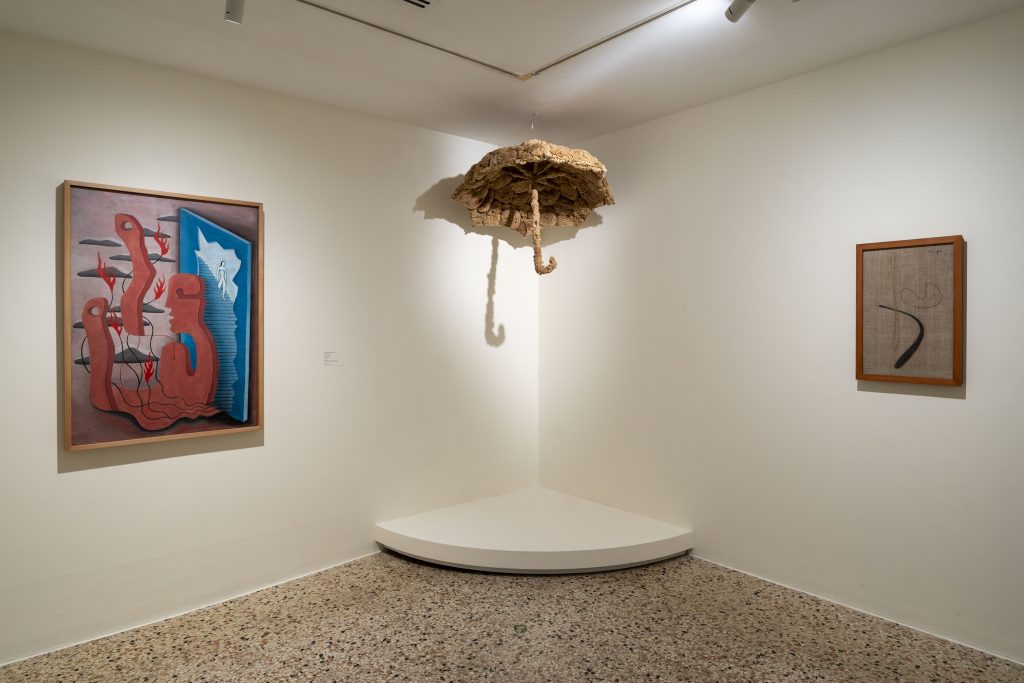
The exhibition also includes sections dedicated to key figures like painter Charles Howard, sculptor Heinz Henghes, and the prints from Studio 17. A dedicated area is reserved for Abstract and Concrete Art, featuring works by Mondrian, Taeuber-Arp, and Van Doesburg.
The exhibition strongly emphasizes Guggenheim’s relational dimension. She was not an isolated figure but a central node within a rich network of intellectuals, friends, and collaborators, including Wyn Henderson, the gallery’s operational heart, and figures like Roland Penrose and Herbert Read. The gallery thus became a sanctuary, a quiet act of resistance against the rising tide of fascism engulfing Europe.
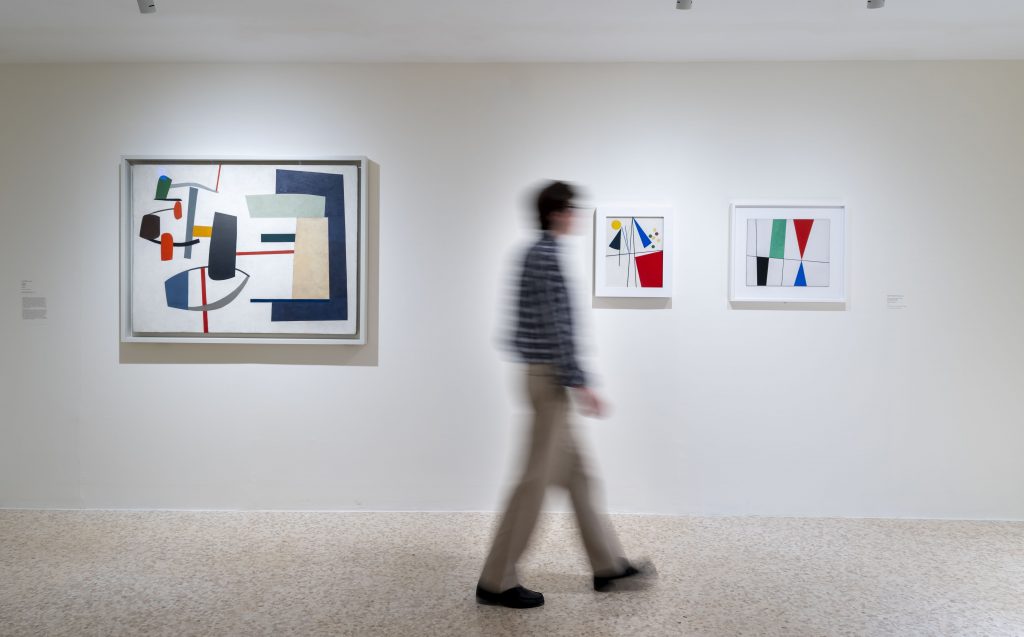
Peggy Guggenheim in London paints a vivid picture of a collector who, though not yet possessing the institutional gravitas of her uncle Solomon, displayed a rare lucidity. Her foresight lay in recognizing that the avant-garde was not merely an academic exercise but a vital necessity for countering authoritarianism and stagnation.
English Translation and Rephrased Text
Title: Peggy Guggenheim’s London Years: The Birth of a Collector Exhibition in Venice
Body:
Often overlooked, a significant chapter in the story of Peggy Guggenheim—the woman who transformed a Venetian palazzo into a pivotal center for modernism—lies in her London gallery, Guggenheim Jeune. The exhibition Peggy Guggenheim in London: Birth of a Collector, on display at the Peggy Guggenheim Collection until October 19, 2026, seeks to fill this gap. It reconstructs the eighteen months between 1938 and 1939 when Guggenheim, from her gallery at 30 Cork Street, challenged the conservative art scene in Britain with her bold choices of artists and works.
The exhibition, curated by Gražina Subelytė and Simon Grant, represents the culmination of over six years of research. It features a balanced selection of around a hundred artworks, immersing visitors in a London caught between the vibrant creativity of the avant-garde and the encroaching threat of World War II. In an era when official institutions were often wary or openly hostile towards abstraction, Surrealism, and emerging international artistic voices, Guggenheim, supported by mentors such as Marcel Duchamp and Samuel Beckett, opted for radical experimentation. It was Beckett who advised her to embrace contemporary art, calling it “a living thing.”
The exhibition’s journey is precisely structured, reflecting the daring of a program that hosted twenty-one exhibitions in less than two years. The first section sets the aesthetic tone of the period, presenting abstract and Surrealist masterpieces that defined Guggenheim Jeune’s artistic direction. The exhibition then progresses through the key moments of this pioneering period, including the debut solo shows in the UK for Vasily Kandinsky and Jean Cocteau. It also highlights the controversial contemporary sculpture exhibition, where works by artists like Brancusi and Henry Moore were impounded by customs, with a Tate director unable to classify them as “art.”
Special attention is given to the more eccentric and boundary-pushing figures promoted by Guggenheim. The section dedicated to the versatile Marie Vassilieff is a particularly fascinating revelation. Her masks, puppets, and “portrait dolls” stand as elegant testaments to a transdisciplinary artistic practice that transcended conventional boundaries. Equally captivating is the tribute to children’s art, featuring the first painting publicly displayed by a young Lucian Freud, an early work that already hints at his future powerful and restless formal sensitivity.
The exhibition also showcases key figures like painter Charles Howard, sculptor Heinz Henghes, and the etchings from Studio 17. A dedicated area is devoted to Abstract and Concrete Art, with works by Mondrian, Taeuber-Arp, and Van Doesburg.
What strongly emerges is the collector’s relational nature. Peggy Guggenheim was never isolated; rather, she acted as a vital link in a complex network of intellectuals, friends, and collaborators, including Wyn Henderson, the gallery’s operational force, and figures like Roland Penrose and Herbert Read. The gallery thus served as a haven, a quiet act of defiance against the oppressive forces of fascism spreading across Europe.
Peggy Guggenheim in London effectively portrays a collector who, while not yet possessing the established museum stature of her uncle Solomon, demonstrated remarkable clarity. Her ability to understand that the avant-garde was not merely an academic pursuit but a vital necessity for resisting authoritarianism and stagnation is powerfully conveyed.