


The five finalists for the tenth edition of the Max Mara Art Prize for Women have been unveiled. This prestigious international award, initiated in 2005 by Max Mara and the Collezione Maramotti, champions the work of emerging and mid-career female artists. For the 2025-2027 cycle, the selected candidates are Betty Adii, Dzikra Afifah, Ipeh Nur, Mira Rizki, and Dian Suci – five artists from Indonesia, showcasing the dynamic contemporary art scene of the nation.
This edition marks a significant new chapter for the prize. After two decades of collaboration with London’s Whitechapel Gallery, it is adopting a nomadic, international structure. The Max Mara Art Prize for Women will no longer be tied to a single country but will, in each cycle, move to a new geographical context chosen by the curator. For the 2025-2027 period, curator Cecilia Alemani has selected Indonesia as the focal art scene, partnering with the MACAN – Museum of Modern and Contemporary Art in Nusantara in Jakarta.
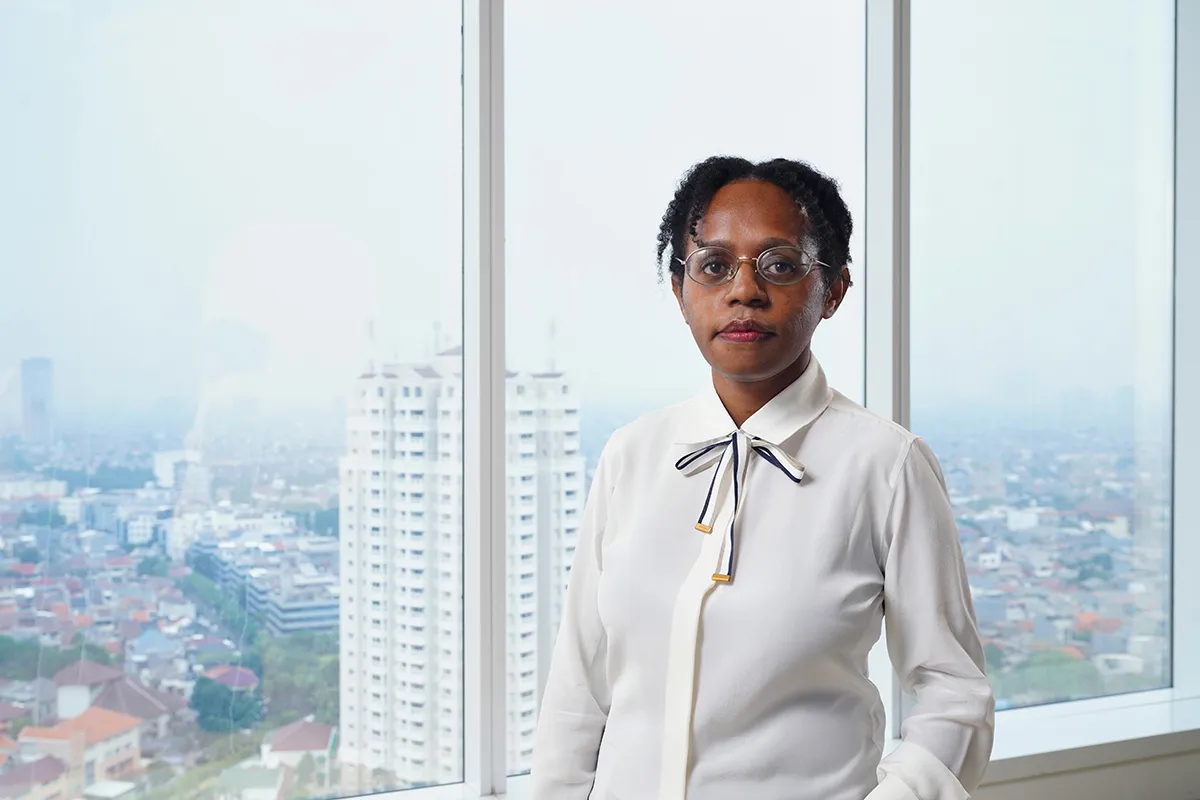
The selection process was conducted by a distinguished jury, chaired by Cecilia Alemani, Director and Chief Curator of High Line Art in New York. Joining her were Venus Lau, Director of Museum MACAN; curator Amanda Ariawan; gallerist Megan Arlin; collector Evelyn Halim; and artist Melati Suryodarmo.
Established in 2017, Museum MACAN is Indonesia’s first museum of modern and contemporary art and a leading hub for artistic research in Southeast Asia. This partnership with Max Mara and Collezione Maramotti significantly expands the prize’s geographical reach, reinforcing its commitment to supporting female artists from diverse cultural backgrounds and fostering greater equity of opportunity within the art world.
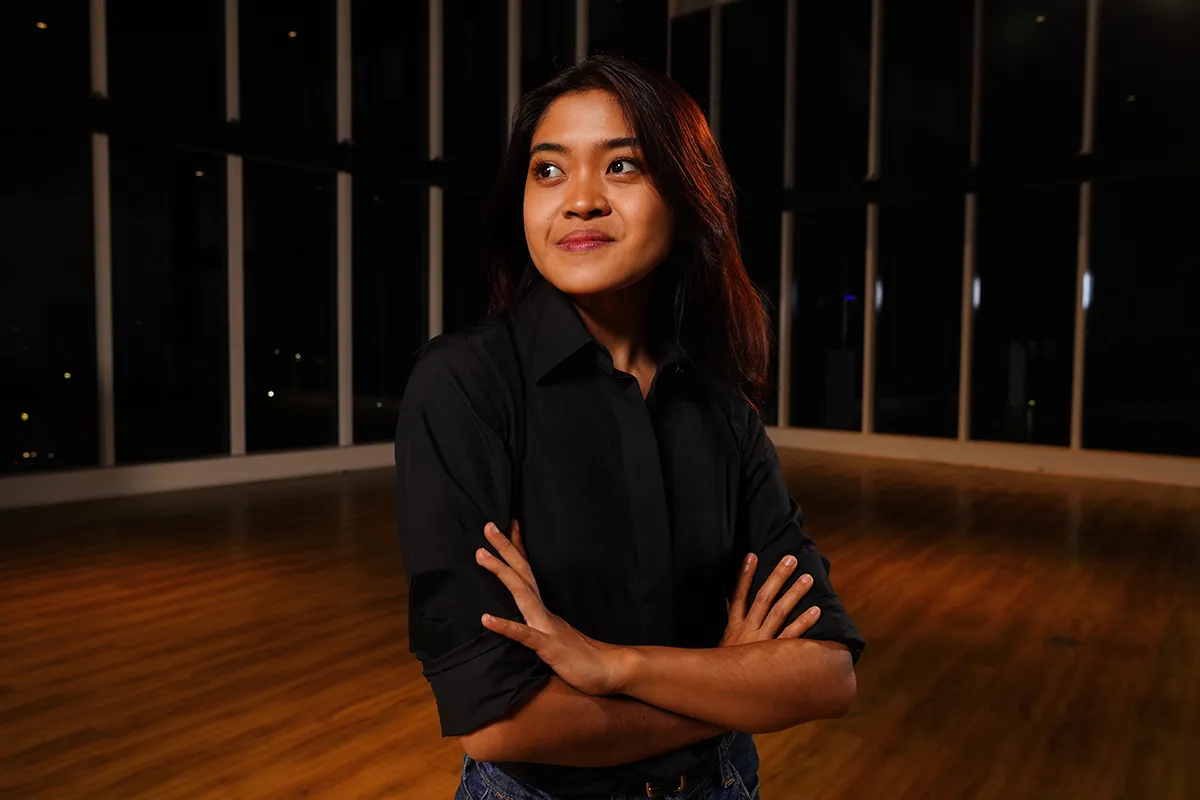
Born in Wamena, Papua, in 1997, Betty Adii is a self-taught artist whose practice integrates drawing, painting, and installation. Her work explores the social and political conditions of Papua, with a particular focus on women’s experiences and voices. Adii’s art skillfully merges traditional cultural references with contemporary idioms, crafting both personal and collective narratives.
Dzikra Afifah, born in Bandung in 1998, primarily works with ceramics. She employs a unique modeling process involving the creation of solid forms that are later hollowed out from within. This technique introduces transformations and deformations, highlighting the physical relationship between the artist and her material, and emphasizing the manual labor and inherent uncertainties of the creative process.
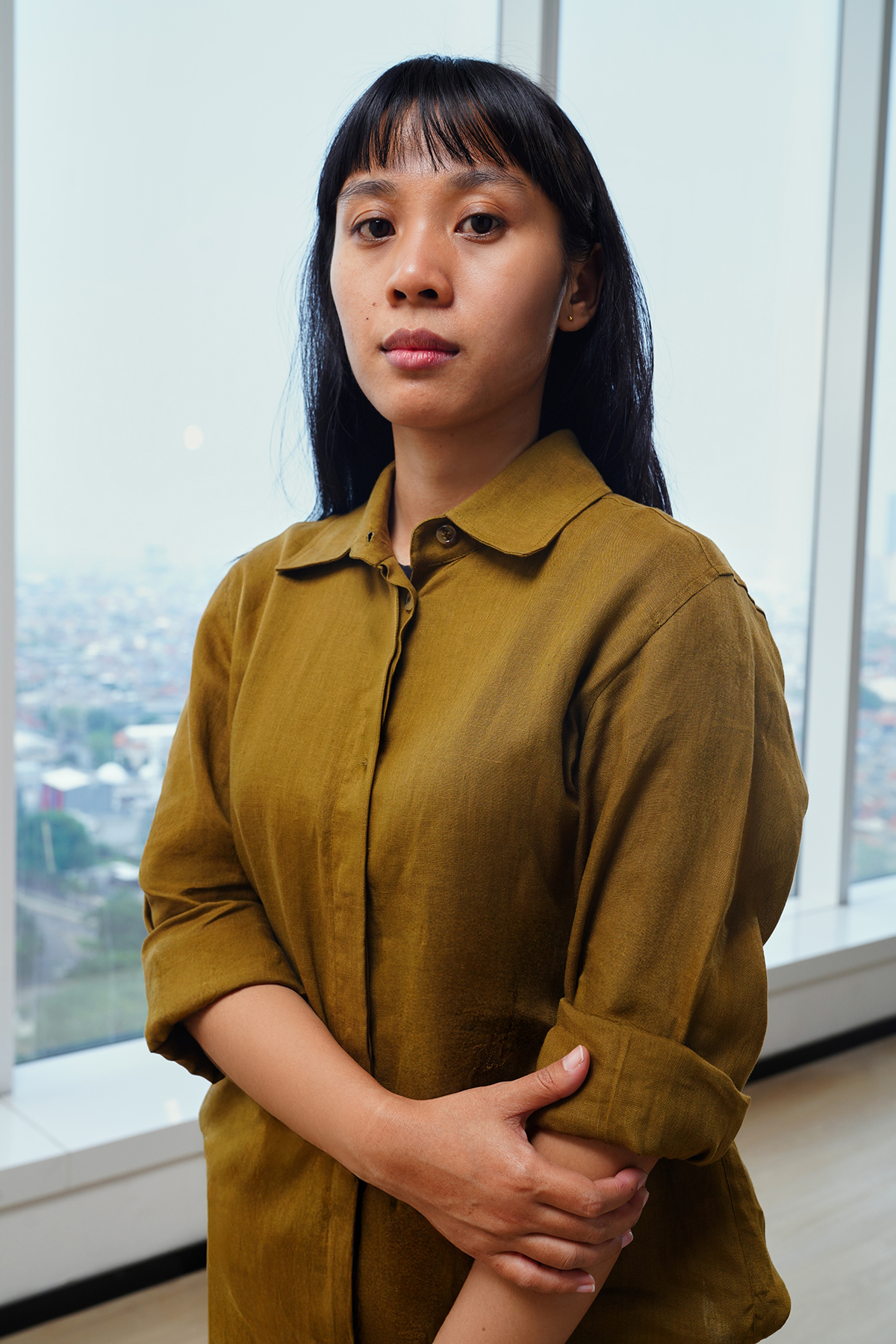
The artistic explorations of Ipeh Nur, born in Yogyakarta in 1993, span painting, drawing, and installation. She often incorporates traditional techniques like batik and materials linked to Indonesia’s maritime culture. Her works delve into the interplay between memory, oral tradition, and mythology, creating narratives that bridge the past with present-day cultural dynamics.
Mira Rizki, born in Bandung in 1994, specializes in sound art and interactive installations. Her practice investigates the perception of sound and how environments, memories, and cultural contexts shape individual auditory experiences. She creates immersive soundscapes that encourage audiences to critically examine their own listening habits.
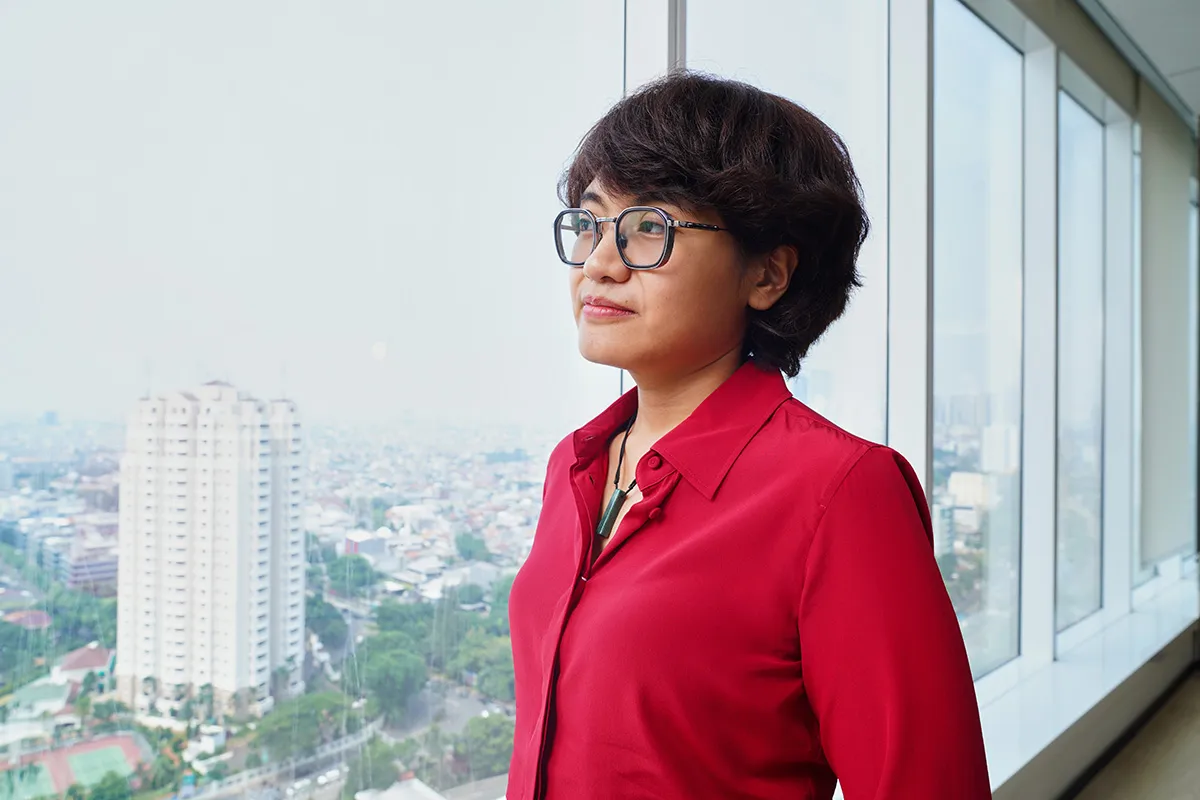
Completing the selection is Dian Suci, born in Kebumen in 1985. A multidisciplinary artist, she employs installation, painting, sculpture, and video to explore themes connecting the domestic sphere with political power. Drawing from her personal experience as a single mother, Suci critically examines the power structures that influence Indonesian women’s lives, including patriarchy, authoritarianism, and capitalism.
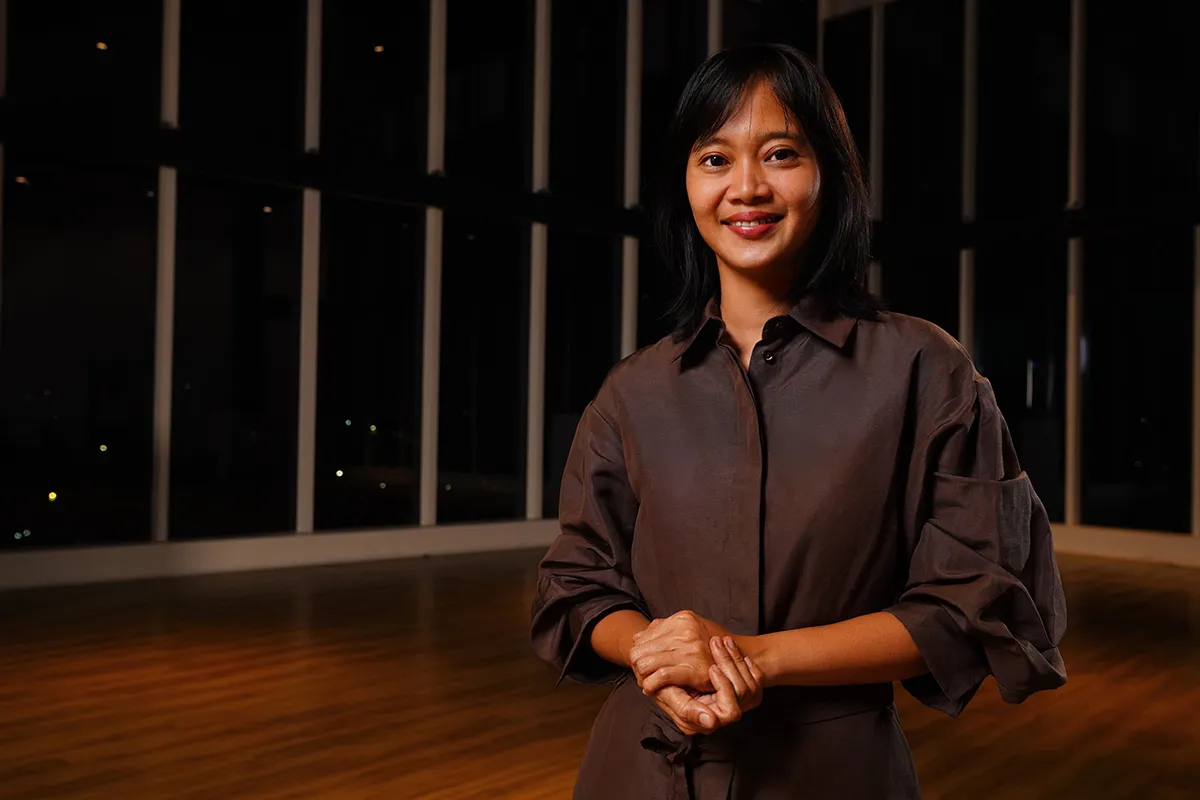
The Max Mara Art Prize for Women was established to support artists at pivotal stages of their careers, providing them with time, resources, and international visibility to develop new projects. With its new nomadic structure, the prize further expands its mission, building cultural bridges between different global regions and fostering dialogue among diverse artistic contexts. This tenth edition thus signifies the dawn of a more open and global model, where supporting artists becomes a means to connect various art scenes and broaden the landscape of international contemporary art production.