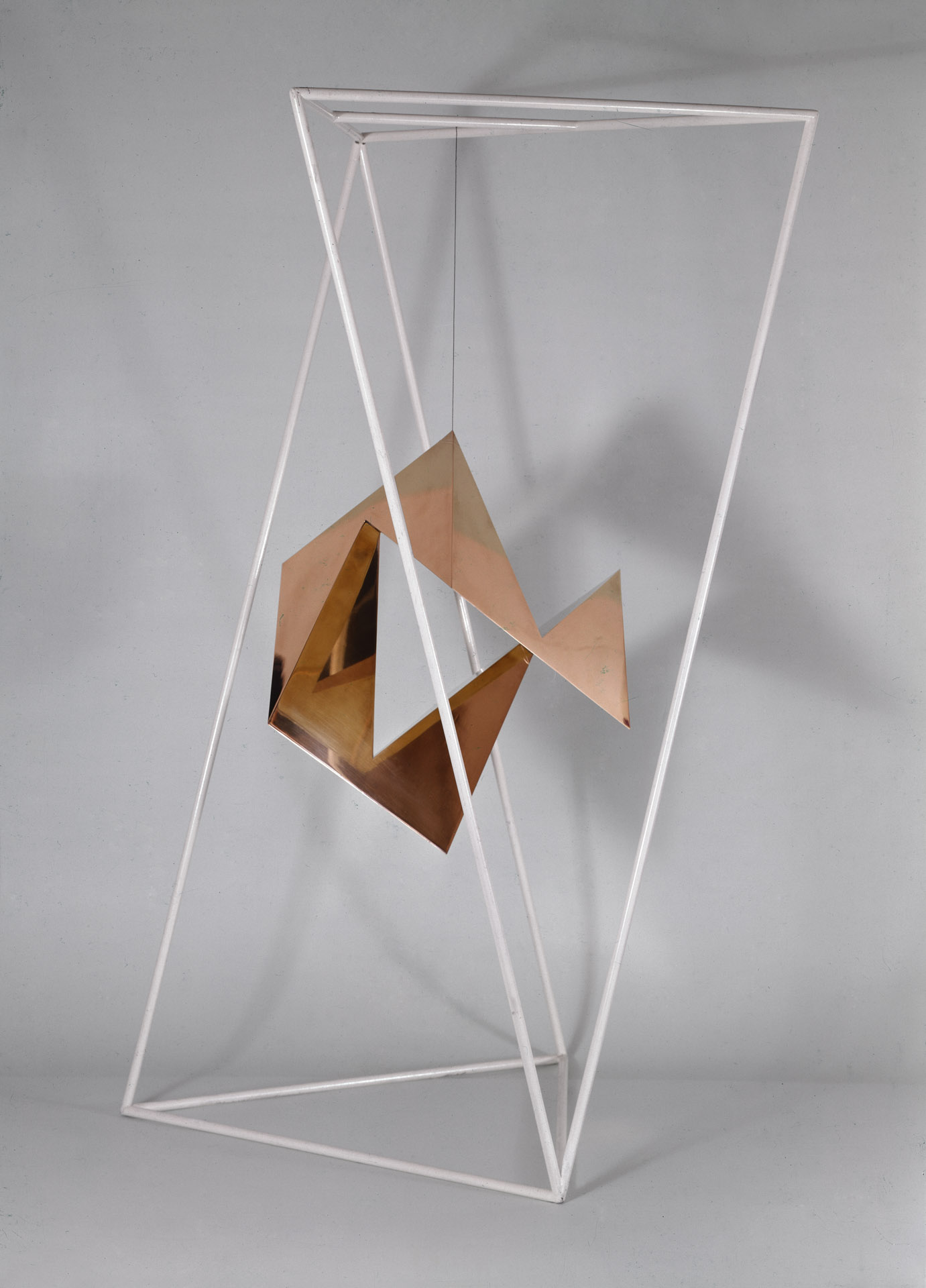


Modernity can be understood through the works of its architects. The max museo in Chiasso presents “max bill (1908–1994): The Grammar of Beauty,” an extensive retrospective celebrating the iconic Swiss artist, designer, and architect. A leading figure of the Bauhaus and central to redefining European creative languages, the exhibition is open until July 12, 2026. Curated by Karin Gimmi and Nicoletta Ossanna Cavadini, it is part of an exhibition series dedicated to the great masters of the 20th century, aligning with Chiasso’s cultural theme of “pulchritudo,” which explores the balance between form, function, and harmony.
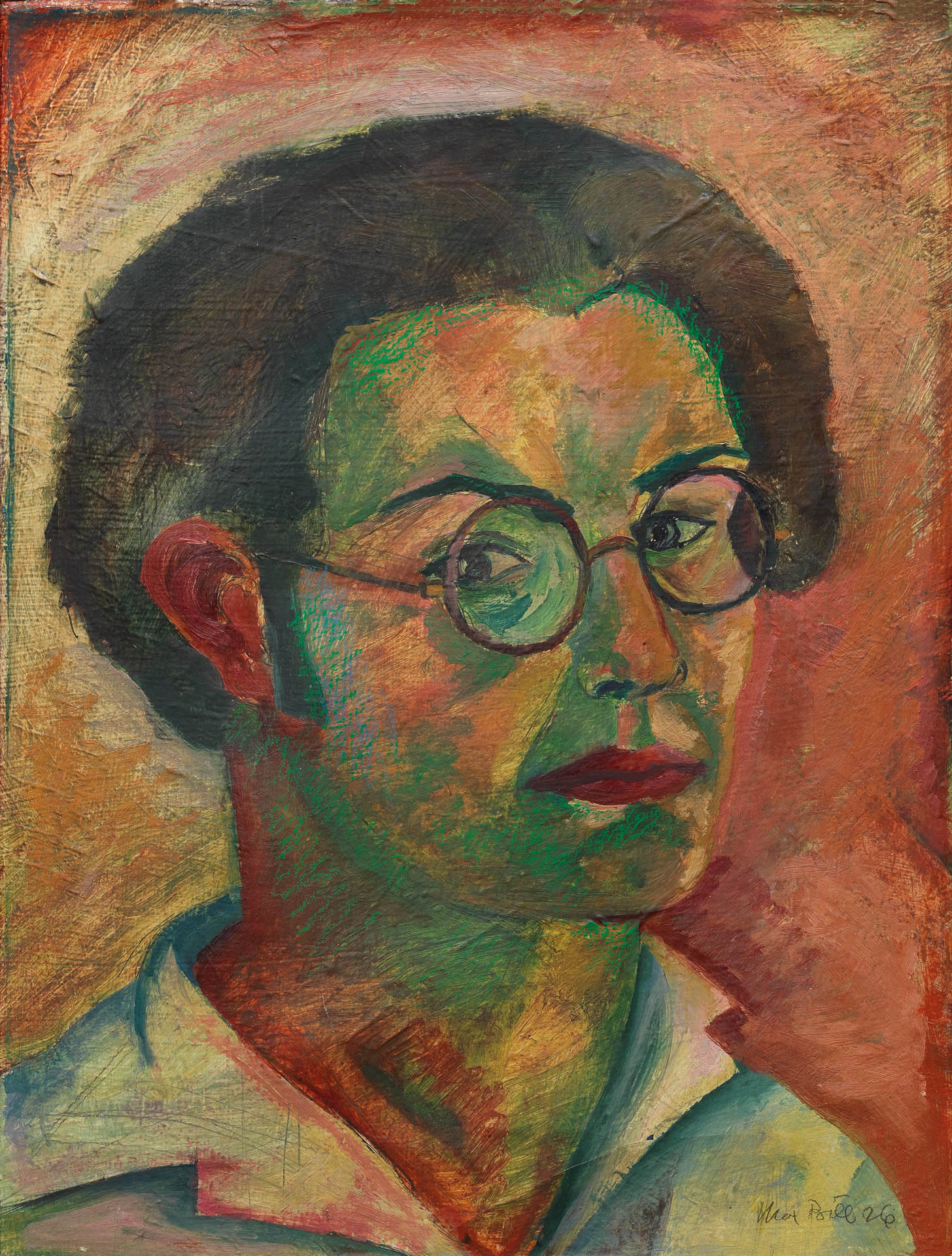
Max Bill: A Multifaceted Artist
Max Bill described his philosophy stating: “We are capable of shaping the objects we use daily, from the smallest pin to household furniture; we know how to model them with a beauty that emerges from the function itself, and which, through its aesthetics, fulfills an intrinsic function.”
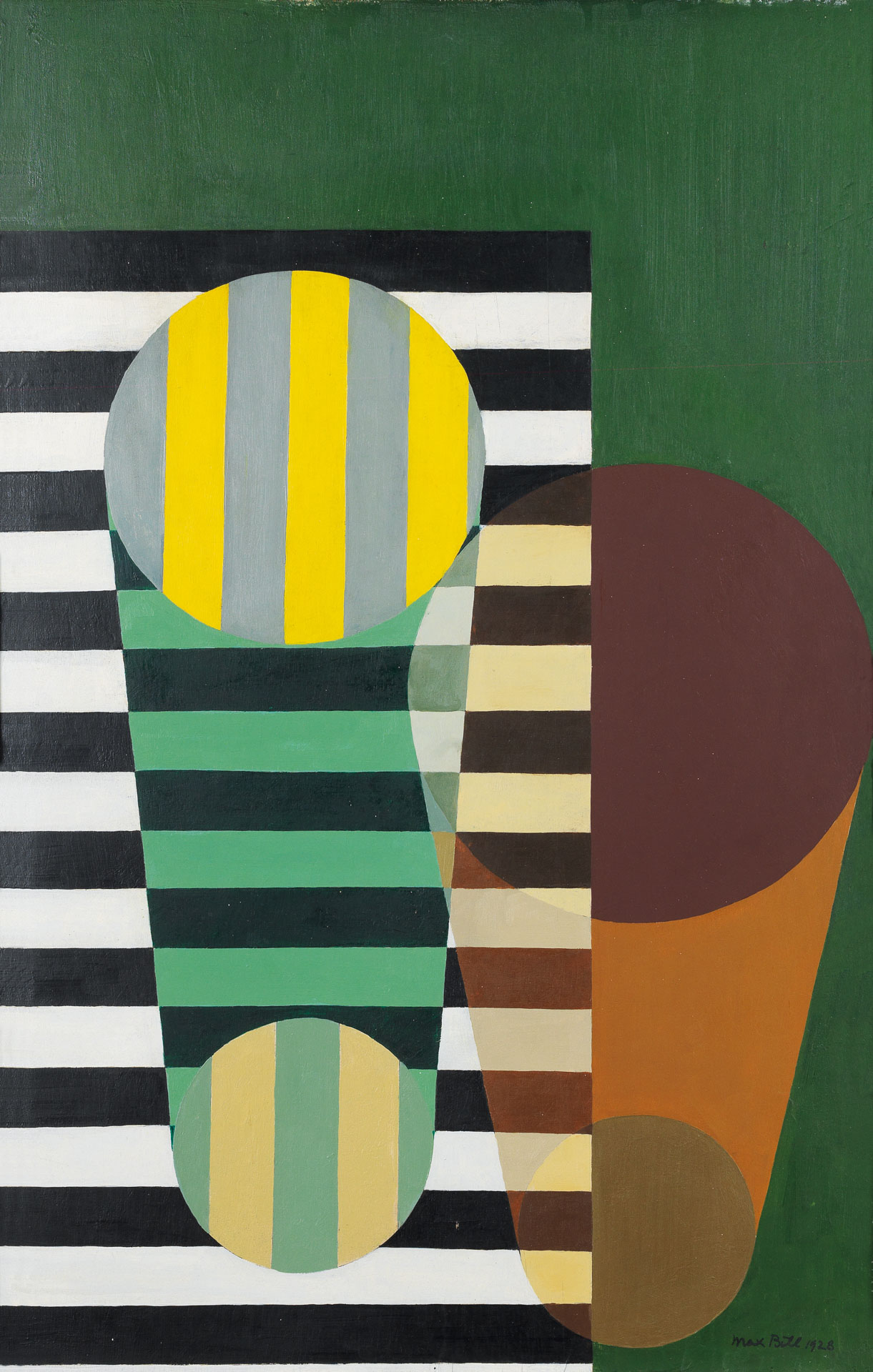
Born to a Swiss Federal Railways station master, Max Bill initially trained as a silversmith at the Kunstgewerbeschule in Zurich. His path shifted towards architecture after attending a lecture by Le Corbusier in 1926. Subsequently, between 1927 and 1928, he studied at the Bauhaus in Dessau, where he was taught by masters such as Josef Albers, Wassily Kandinsky, and Paul Klee, absorbing the fundamentals of rational, constructive, and non-figurative art.
Returning to Zurich, Bill launched his career as a graphic designer and architect, establishing the bill-reklame studio and designing his first house-atelier in Zürich-Höngg. Since the 1920s, the Canton Ticino proved crucial for his development, with stays between Ronco sopra Ascona and the Onsernone Valley bringing him into contact with a vibrant international community. After marrying cellist and photographer Binia Spoerri in 1931, Bill frequented Aline Valangin and Wladimir Rosenbaum’s “La Barca” house in Comologno, where he forged connections with artists such as Jean Arp, Sophie Taeuber-Arp, Max Ernst, Meret Oppenheim, Vladimir Vogel, and writer Ignazio Silone, for whom he also designed book covers. This environment was fundamental in shaping his ethical and design vision.
In 1932, through the introduction of Arp and Taeuber-Arp, Max Bill joined the Parisian group Abstraction-Création, engaging in dialogue with figures like Georges Vantongerloo and Piet Mondrian, and participating in the group’s exhibitions from 1933 to 1936. In 1937, he co-founded the Swiss group Allianz with Leo Leuppi, a focal point for the Concrete art avant-garde, further enriching his activities with publishing initiatives.
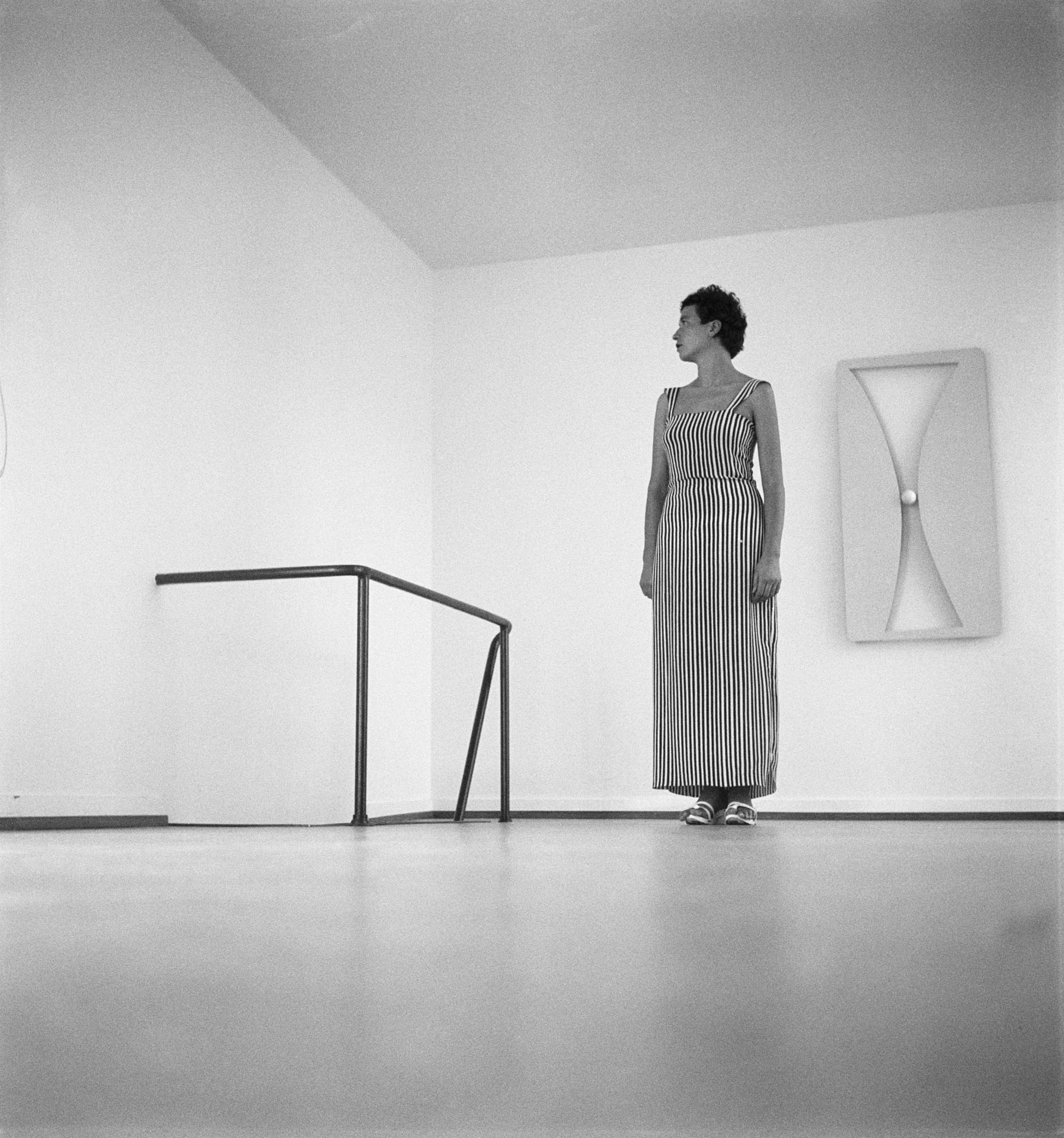
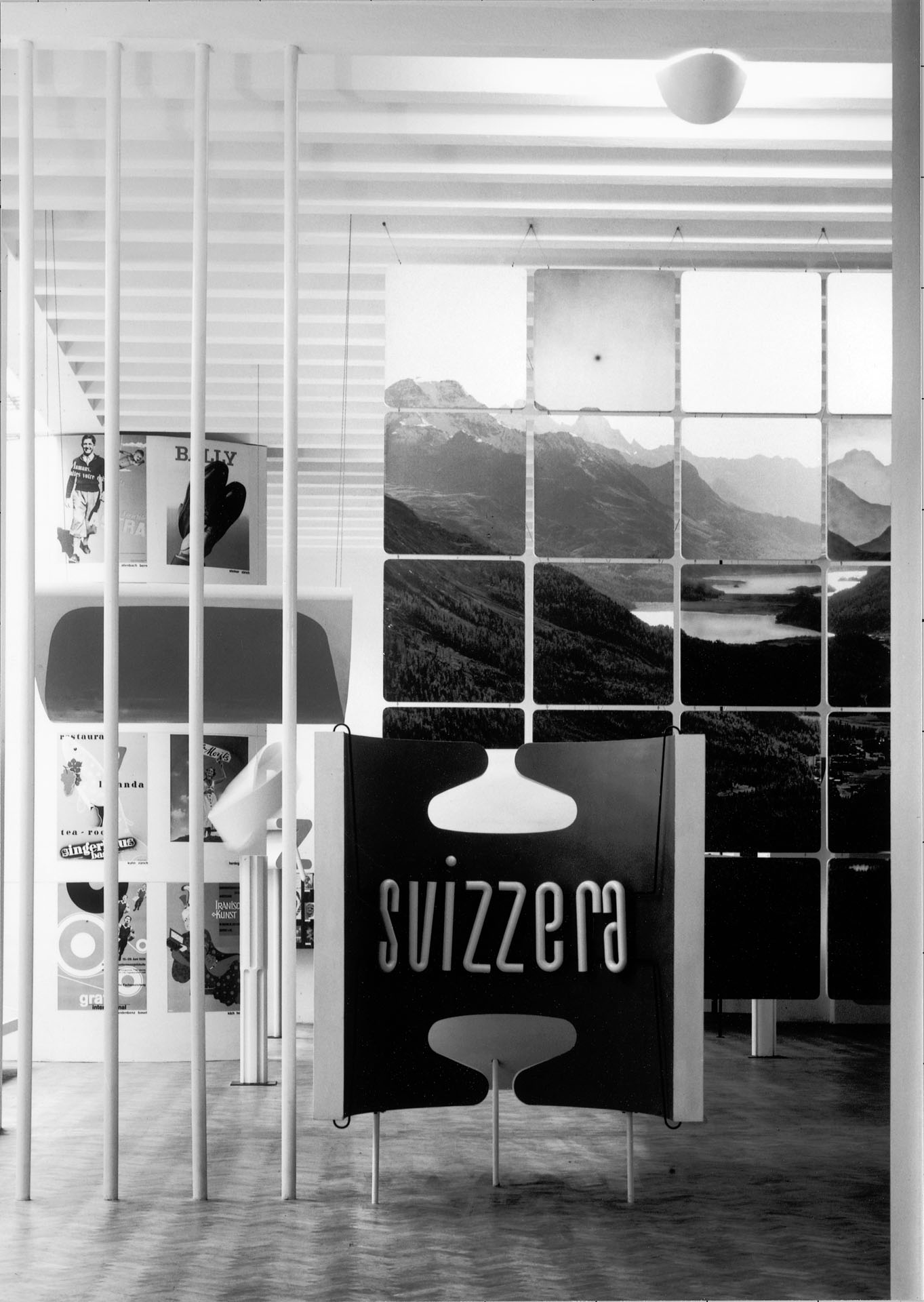
Concurrently, Milan emerged as an essential hub for his connections. Bill was instrumental in forging a cultural bridge between Switzerland and Italy, contributing to post-war reconstruction discussions and the evolution of visual arts. He designed the Swiss pavilion for the 1936 Triennale and participated in the IX Triennale in 1951, where he lectured at the “De divina proportione” conference, engaging with figures such as Ernesto Nathan Rogers, Giuseppe Samonà, and Le Corbusier himself. In 1947, he co-curated the “Abstract and Concrete Art” exhibition in Milan with Lanfranco Bombelli Tiravanti, featuring graphics by Max Huber, establishing a dialogue with Gillo Dorfles and promoting “konkrete kunst” (Concrete art).
From the 1950s onwards, Bill established himself as an international authority in design and the theory of “Die gute Form” (The Good Form), conceived as a balance between function, clarity, and beauty. In 1951, he co-founded the Hochschule für Gestaltung in Ulm with Inge Scholl and Otl Aicher, becoming its first rector. There, he developed an educational model that expanded upon Bauhaus principles. After leaving the institute in 1957, he continued his academic career, including a professorship in environmental design in Hamburg (1967–1974), balancing institutional roles with a prolific global exhibition activity.
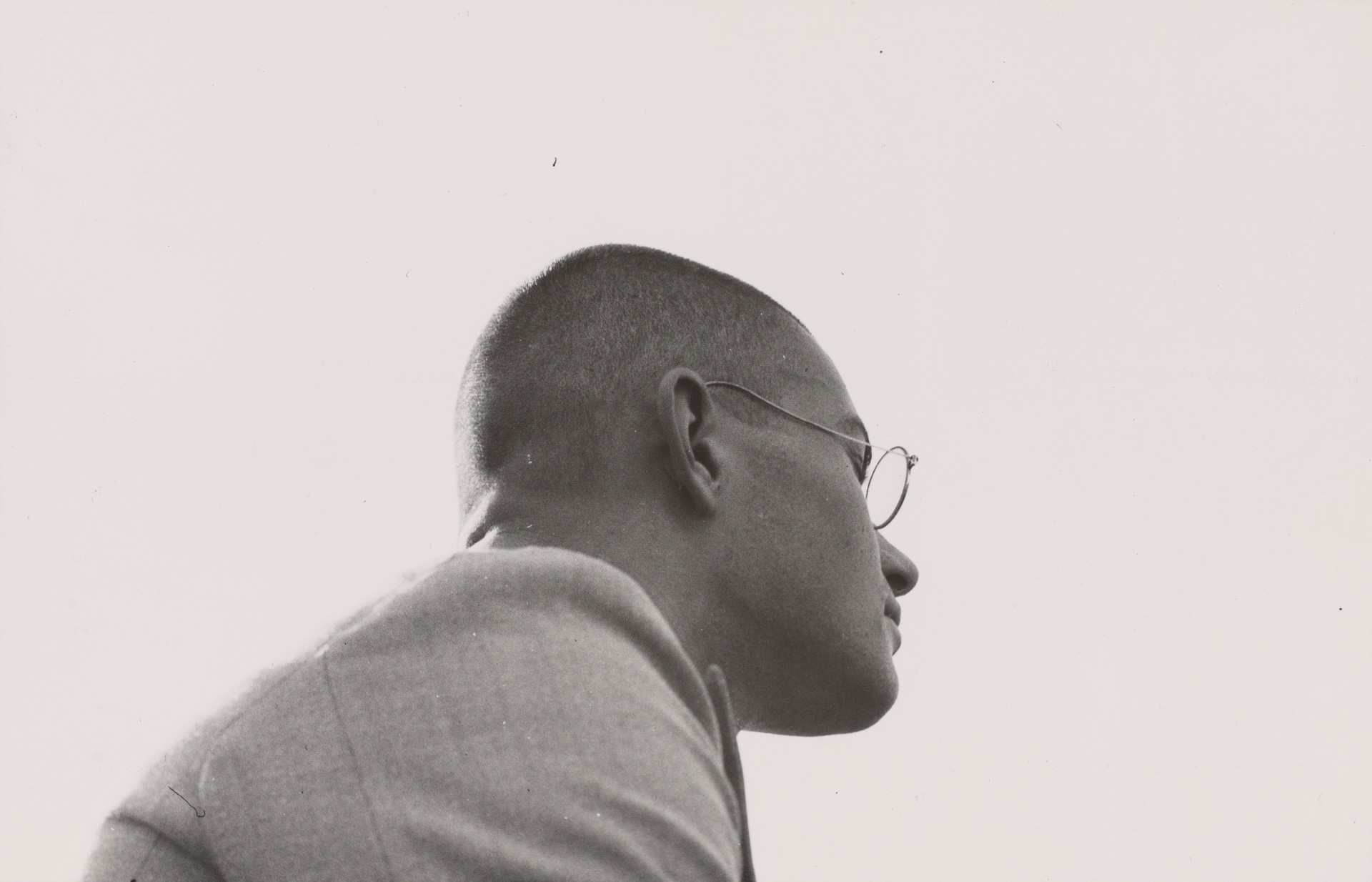
Throughout his professional life, Max Bill cultivated relationships with leading figures in 20th-century culture, including Ludwig Mies van der Rohe and Charles Eames, in addition to the artists already mentioned. From the 1970s, he predominantly focused on painting and sculpture, while still holding institutional positions, such as the presidency of the Bauhaus Archiv in Berlin. His numerous accolades include the Kandinsky Prize (1949), the Compasso d’Oro (1956), and the Praemium Imperiale (1993). He passed away in Berlin in 1994.
Color, space, and movement formed the pillars of his artistic methodology, aimed at creating new realities in a perfect balance between logical rigor and creative intuition. His concept of beauty, “derived from function,” applied transversally from art to design, from architecture to graphic design, defining him as a “universal artist.”
The Exhibition Journey: The Grammar of Beauty
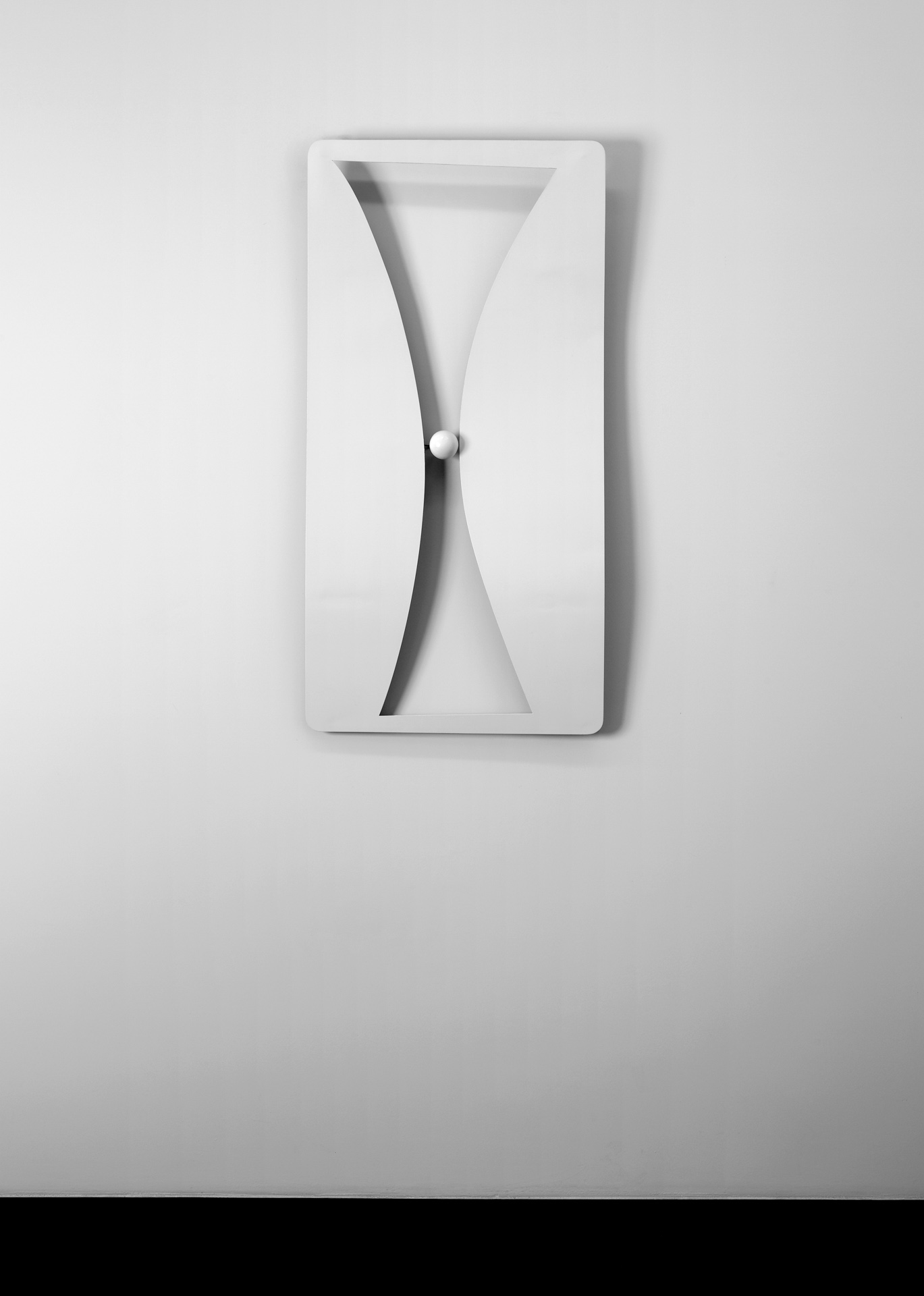
Featuring 168 works spread across four halls, this is the most extensive retrospective dedicated to the Swiss artist ever mounted in Canton Ticino. Paintings, sculptures, graphic works, design objects, photographs, and archival materials illustrate the richness of a research spanning over sixty years, consistently adhering to a methodological approach centered on concrete art as an autonomous and rational expression.
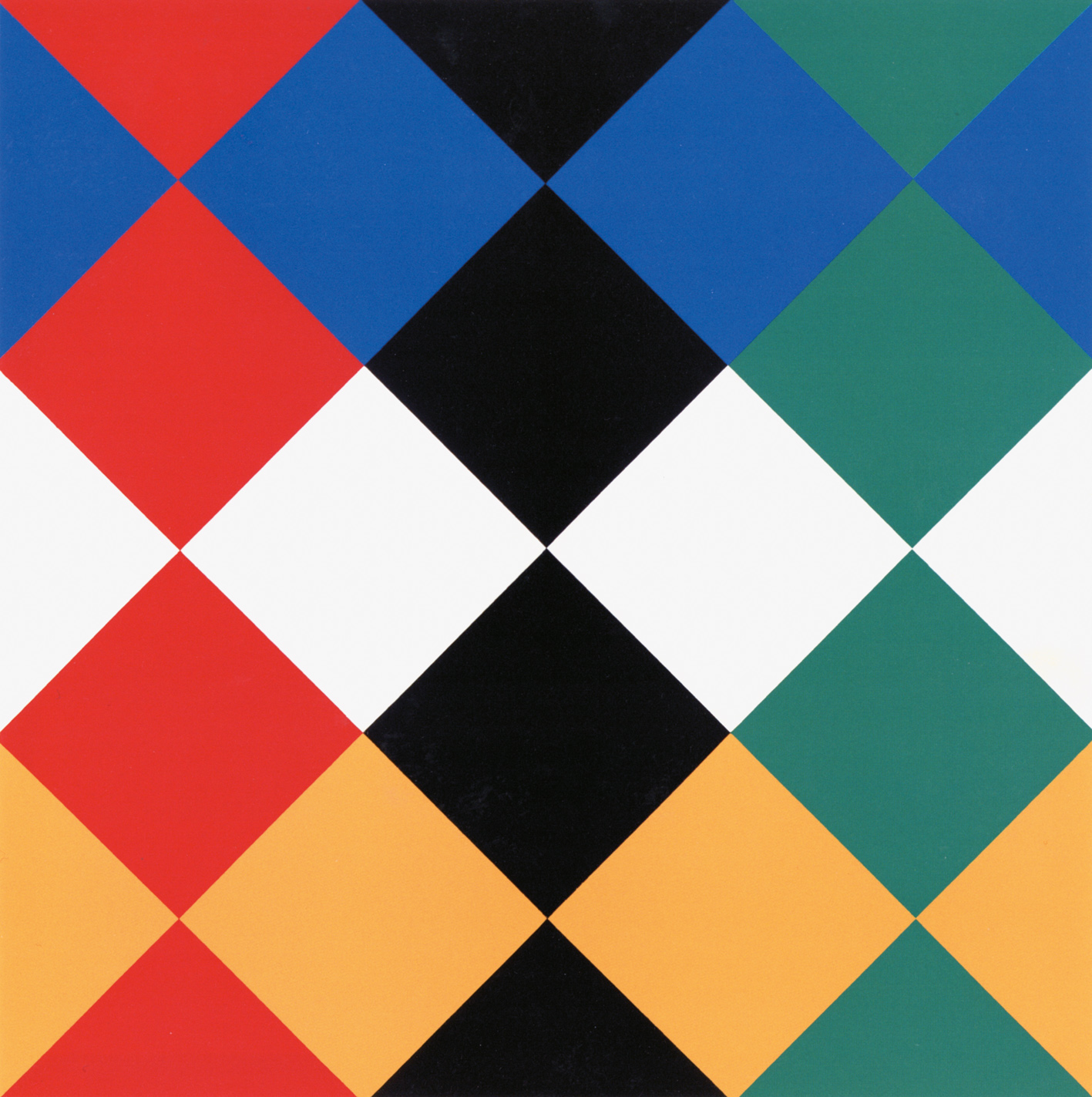
The exhibition is structured into a thematic-chronological journey divided into three main sections. The first, “Towards Art,” explores his early career post-Bauhaus, highlighting the impact of masters like Paul Klee, Wassily Kandinsky, and László Moholy-Nagy. The second section focuses on the theoretical and formal evolution of concrete art, showcasing works that visually translate mathematical and harmonic relationships. The final section celebrates Bill’s artistic maturity, characterized by the integration of art, architecture, and design, and the formulation of his renowned theory of “Die gute Form.”
A crucial aspect of the exhibition is the emphasis on the role of Ticino and the cultural connections between Switzerland and Italy. The periods spent in Comologno, at the “La Barca” house, and the relationships with artists like Jean Arp, Meret Oppenheim, and Ignazio Silone, along with collaborations with the post-war Milanese art scene, animated by figures such as Gillo Dorfles and Ernesto Nathan Rogers, are presented as key moments in the development of a language that significantly influenced the evolution of Western visual codes.
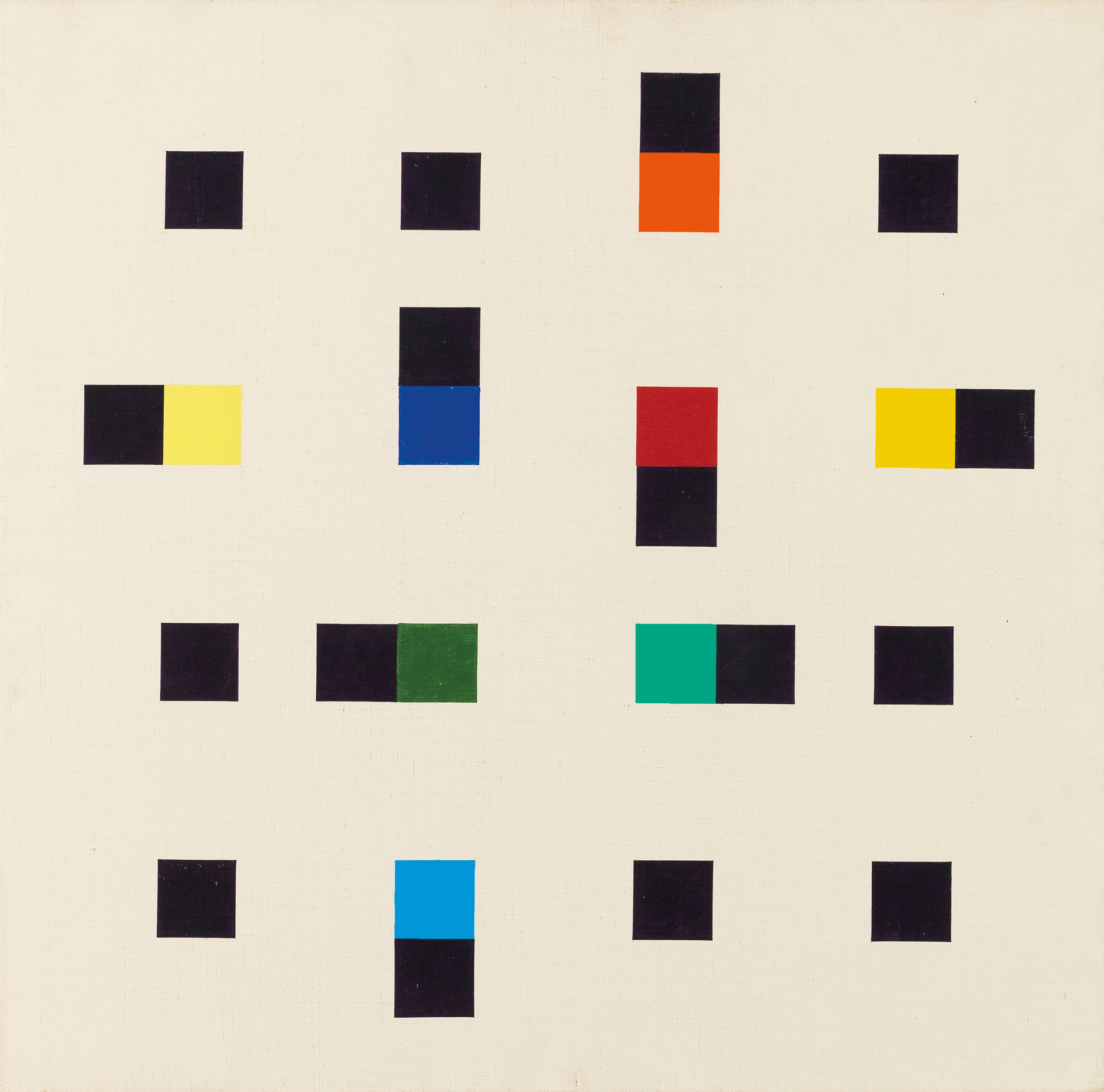
The exhibition stands out for its wide array of loaned works, sourced from Swiss institutions and private collections, including the max, binia + jakob bill foundation. Complementing the exhibition, a rich program of public events has been designed, including conferences, guided tours, workshops, and screenings. The catalog, published by Silvana Editoriale, further enriches the research with critical essays and archival materials.