


Following an initial period focused on a close examination of the city, MACRO – Rome’s Museum of Contemporary Art – proudly presents its exhibition and project program for 2026. This new direction is conceived by artistic director Cristiana Perrella, who assumed her role in May 2025. The upcoming cycle broadens the museum’s perspective, extending its reach beyond Rome’s boundaries while maintaining a strong connection to its urban context and local communities. Promoted by the Department of Culture of Roma Capitale and Azienda Speciale Palaexpo, the program is structured as a rich constellation of solo exhibitions, research projects, and institutional collaborations. Its overarching goal is to reinforce MACRO’s identity as a dynamic space that welcomes diverse artistic languages, fostering public dialogue, cultural production, experimentation, and the building of meaningful relationships.
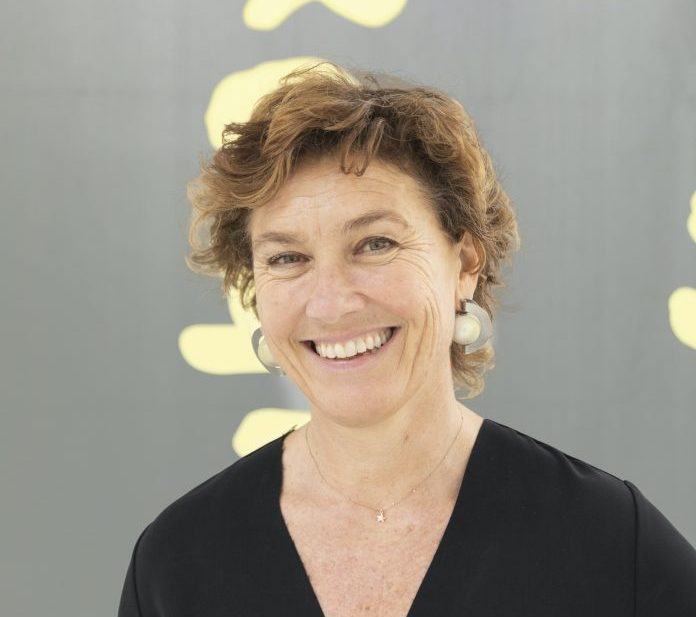
Perrella emphasized that “2026 marks the beginning of a new phase for MACRO, one that expands the museum’s work in a more open and plural direction. Having started my programming by exploring Rome as an exclusive field of inquiry, the museum now engages with a constellation of practices and positions that interrogate the present from diverse perspectives. It maintains its commitment to showcasing and involving the Roman creative scene and building communities around itself, while also explicitly articulating its international vocation.” She further highlighted that “the unifying thread among this year’s proposals is an attention to the blurring of boundaries between different creative practices and disciplines, and to works that do not merely represent reality but interrogate and challenge it. What interests me is a museum that does not simplify, but remains traversable: a place where complexity is not an obstacle but a necessary and stimulating condition.”
The season’s inauguration is also marked by the extension of UNAROMA, now running until May 3, 2026, and accompanied by new performative events, as well as Abitare le rovine del presente (Dwelling in the Ruins of the Present), accessible until May 10. These two projects encapsulate Perrella’s initial curatorial approach and serve as a crucial link to the new cycle.
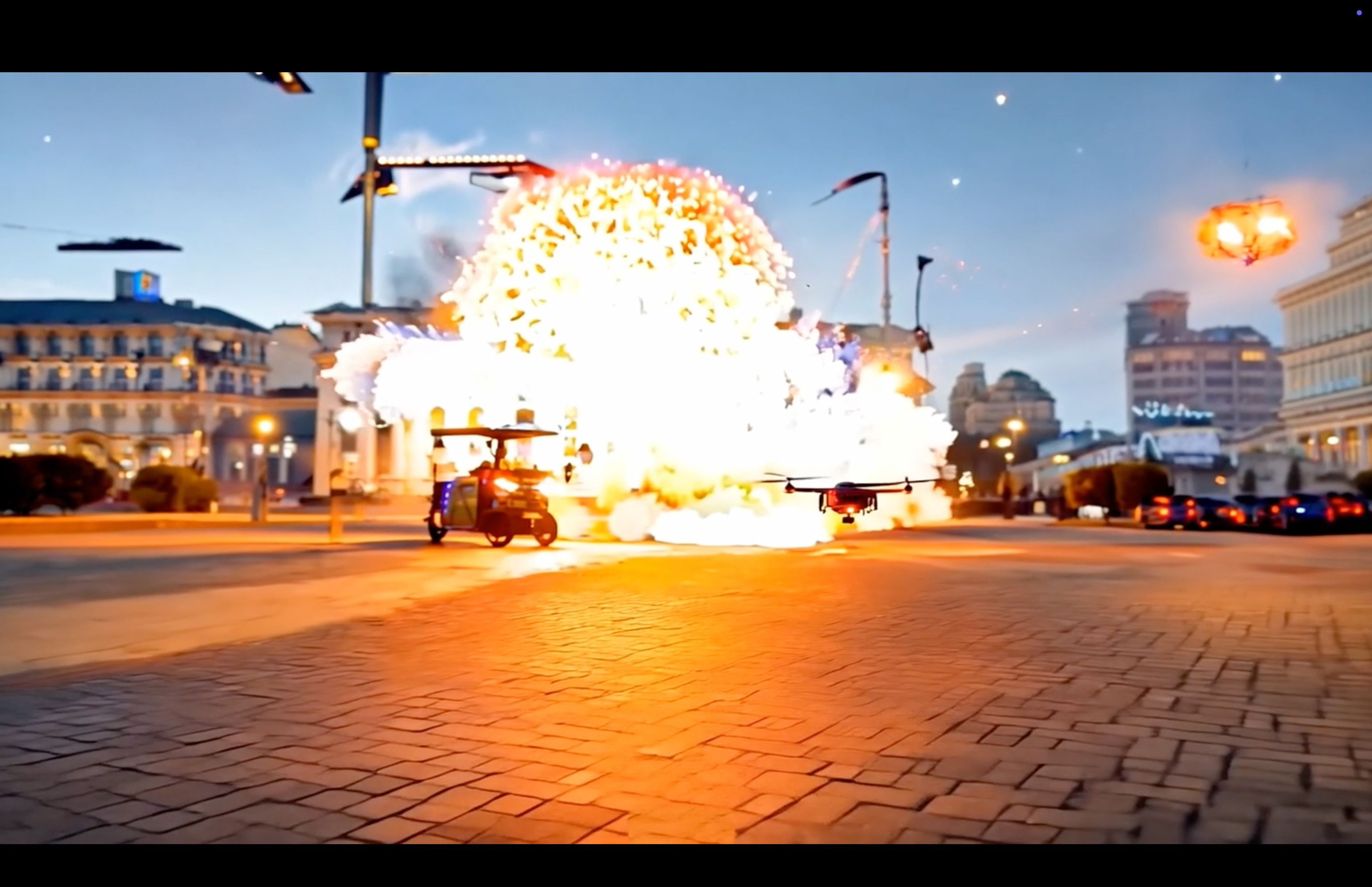
From April 29 to August 30, the first block of exhibitions will take shape. Among the main projects is Mechanical Kurds by Hito Steyerl, curated by Alice Labor. This exhibition introduces a recent video installation by the artist to Italy for the first time, exploring the intersection of artificial intelligence, digital labor, and geopolitical scenarios. The German artist explains, “Instead of burying our heads in the sand, we should confront our problems. We should open our eyes to the complete derailment of reality, reintroducing a system of constitutional guarantees, renegotiating the values and role of information, and avoiding compromise when it comes to human representation and solidarity. This also means recognizing fascism where it truly exists and opposing it, along with its countless derivatives and brands. Denying its existence means surrendering to the emerging paradigm of post-politics and post-democracy; resigning ourselves to a complete escape from reality.”
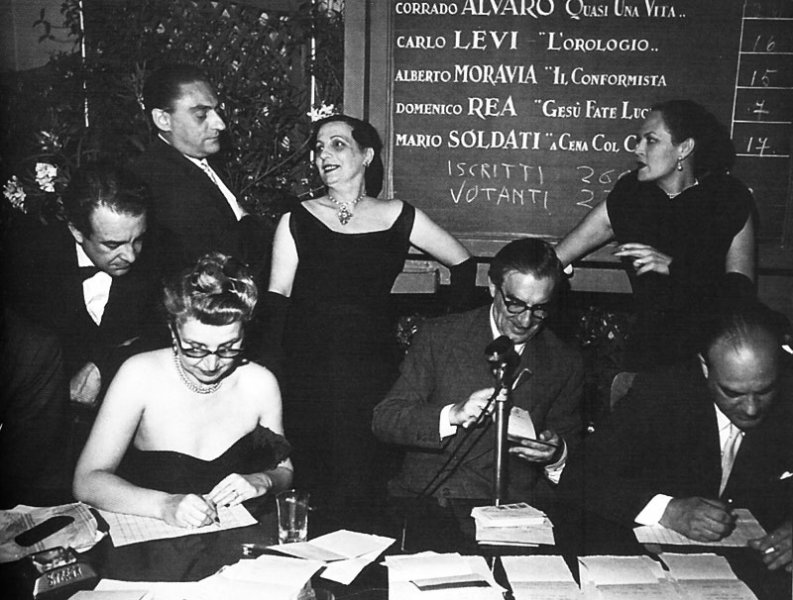
Accompanying this exhibition is One, Five, Twelve: Eighty Years of the Strega Prize, curated by Maria Luisa Frisa and Mario Lupano. This show traces the history of Italy’s most renowned literary award, interpreting it as a barometer for the country’s cultural transformations. An uninterrupted photographic ribbon will unfold across the large perimeter of the room, vividly depicting the drama of the Prize and the public, “spectacular” rituals of the voting process. Short texts in an accompanying booklet, designed as a collectible pocketbook, will highlight the salient facts of each year, making the act of reading an integral part of the exhibition experience.
During the same period, SHE DEVIL returns, a female video art review conceived by Stefania Miscetti in 2006. Reimagined as an open international platform for discussion, it features artists Monira Al Qadiri, Cecelia Condit, Raffaella Crispino, Helen Anna Flanagan & Josephin Arnell, Yuyan Wang, P.Staff, Janis Rafa, and Marianna Simnett.
The audio room will host Amelia Rosselli, a song in her space, a project curated by Andrea Cortellessa that reactivates the voice and linguistic exploration of one of the most radical figures in 20th-century poetry. The first part of the project (April 29 – June 28) reworks audio materials from the series Con l’Ascia Dietro le Spalle. Dieci Anni Senza Amelia Rosselli (With the Axe Behind Her Shoulders. Ten Years Without Amelia Rosselli), creating an auditory journey focused on the rhythm and musicality of her texts. From June 29, the program shifts to a full reading of Impromptu by the author, presented in an immersive environment where the voice becomes the primary expressive vehicle.
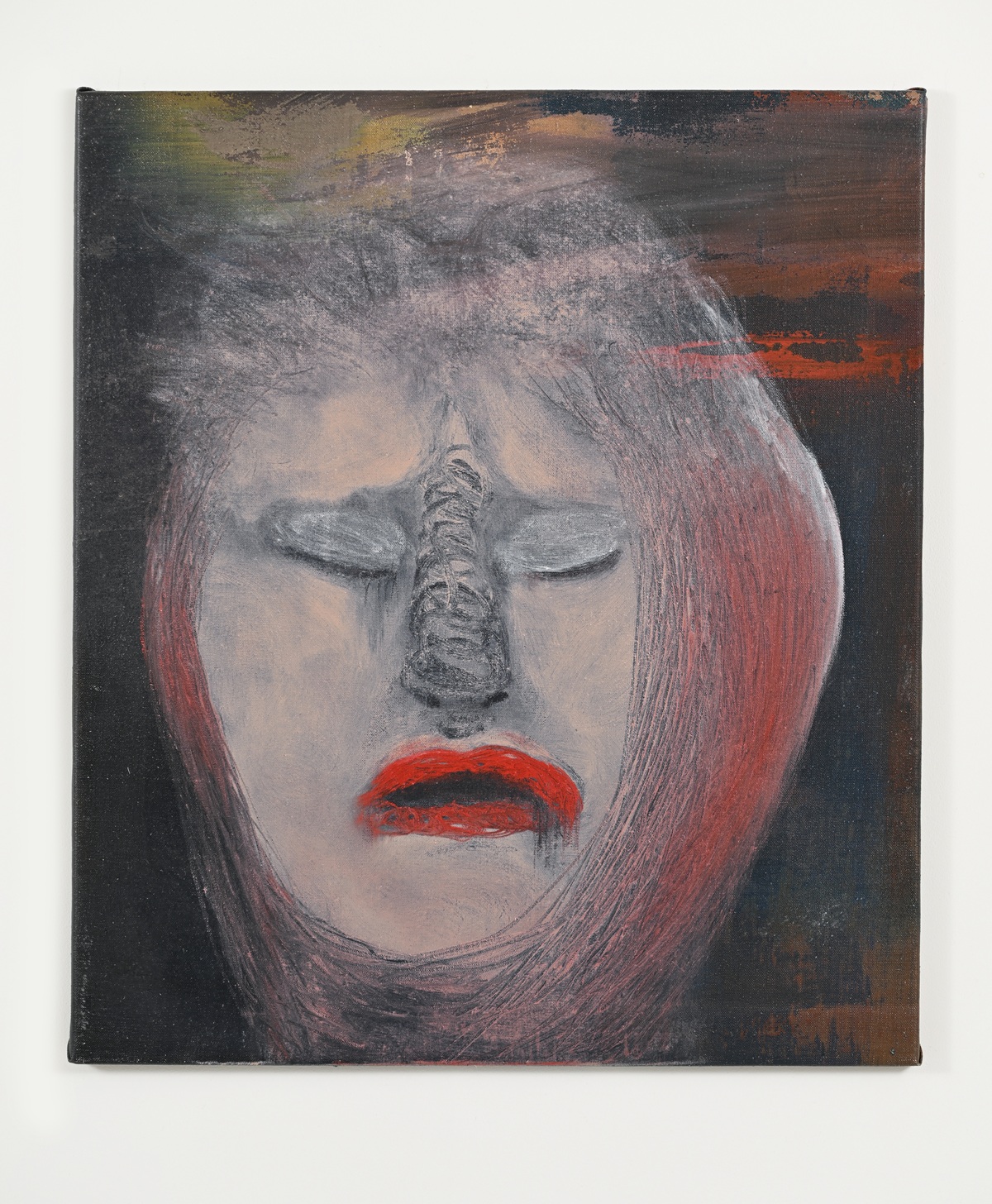
The programming continues on May 28 with a solo exhibition by Miriam Cahn, curated by Perrella herself. This show centers on the body—particularly the female form—as a field of political tension and a space of resistance. On the same date, a group exhibition of the Paul Thorel Prize winners, Caterina De Nicola, Irene Fenara, and Lorenza Longhi, curated by Sara Dolfi Agostini, will be presented. This exhibition is the outcome of the 2025 residency and offers an opportunity to explore practices related to contemporary imagery and technologies.
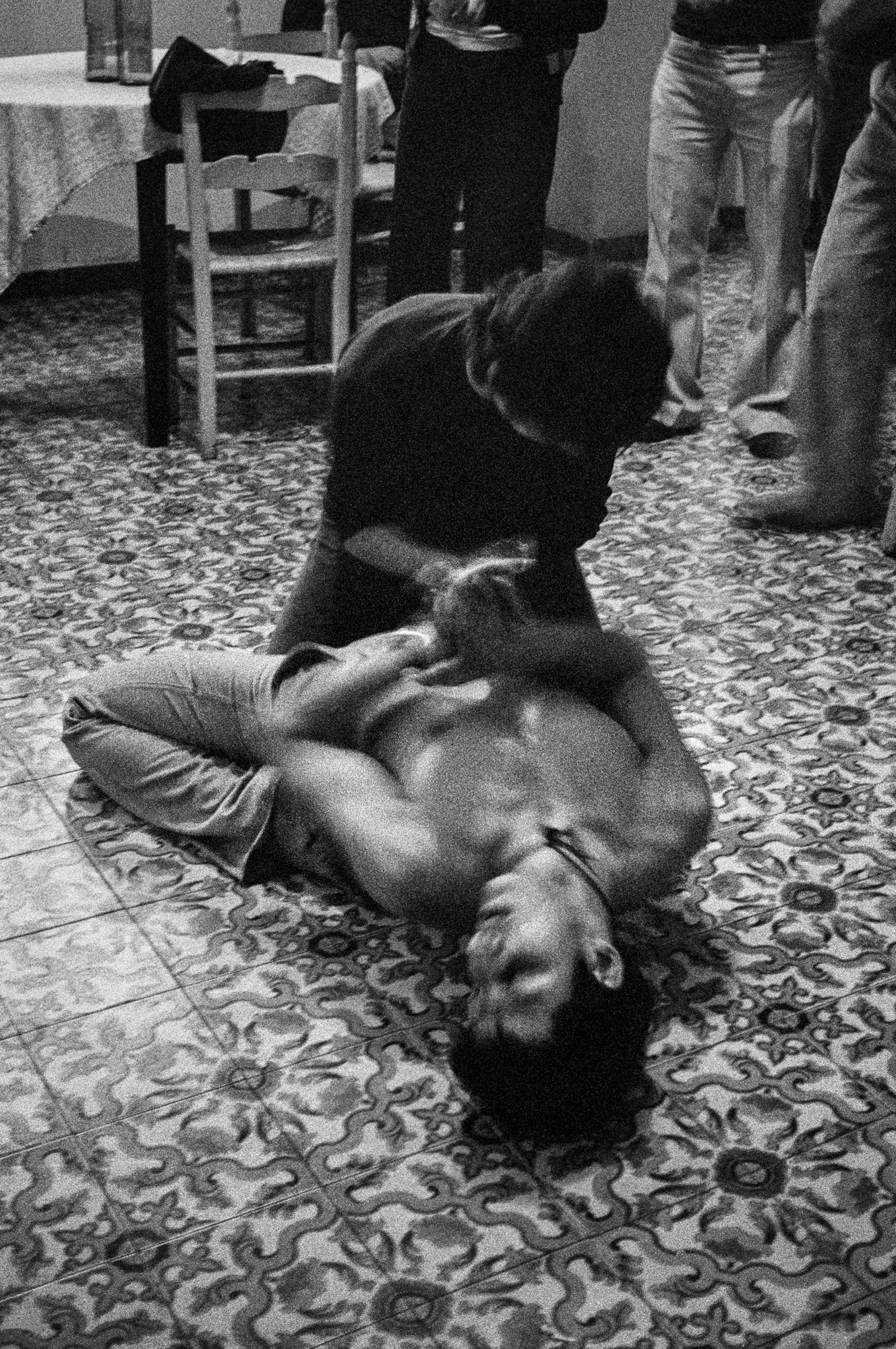
After the summer break, in September, the museum will dedicate an institutional retrospective to Marialba Russo, curated by Cristiana Perrella and Elena Magini. This project focuses on her work from the 1970s, exploring representations of the body and cultural constructions of gender. It develops in dialogue with MUCIV – Museum of Civilizations, emphasizing the connection between artistic practice and anthropological research.
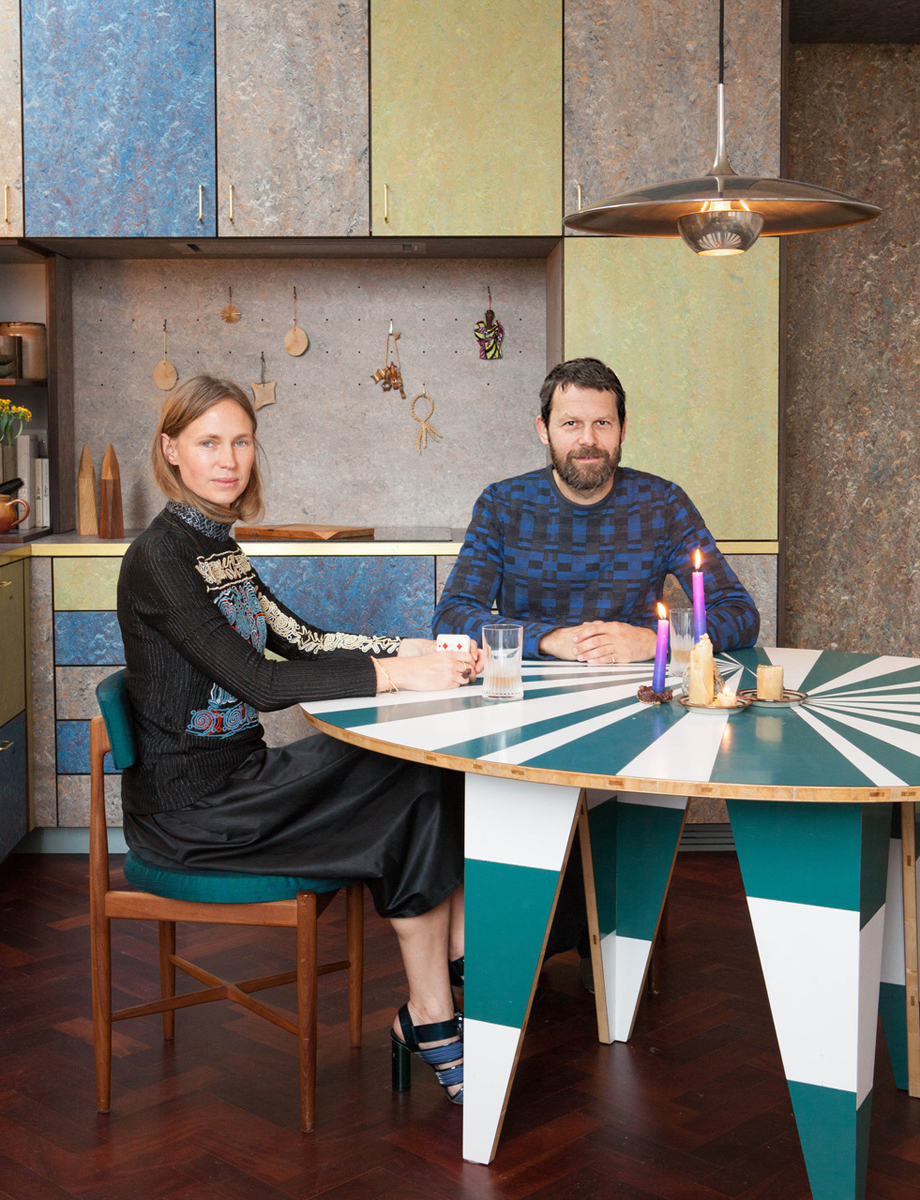
Subsequently, an exhibition by Francis Upritchard and Martino Gamper will present an interplay between sculpture and design through site-specific installations spread throughout the museum spaces. In December, the season will conclude with a new project by Alessandro Sciarroni, designed for the main hall and, as is typical of his practice, aimed at transcending the boundaries between visual arts, performance, and movement.
In parallel with its exhibition program, MACRO is strengthening its discursive and interdisciplinary dimension. Among the scheduled events is the Science Fashion series, curated by Dobrila Denegri, which brings together scholars and designers to explore the relationships between fashion, science, and emerging technologies, with a particular focus on the impacts of artificial intelligence. A structural element of the program is the consolidation of collaborations.
Alongside its relationship with the Palazzo delle Esposizioni, MACRO is strengthening ties with the Maria and Goffredo Bellonci Foundation, the Paul Thorel Foundation, and MUCIV. This collaborative approach, already piloted in 2025 with UNAROMA, is set to become a stable component of the museum’s strategy.