


Serving as a precursor to Milan’s Salone del Mobile, Design Shanghai 2026, now in its 13th edition, positions Italian design prominently in China. Scheduled from March 19 to 22 at the historic Shanghai Exhibition Centre, the event highlights Shanghai’s unique status within the UNESCO Creative Cities Network as China’s only officially designated “City of Design.” The city’s creative industries have demonstrated significant growth, generating 1.64 trillion yuan in 2024 and projected to exceed 2 trillion in 2025.
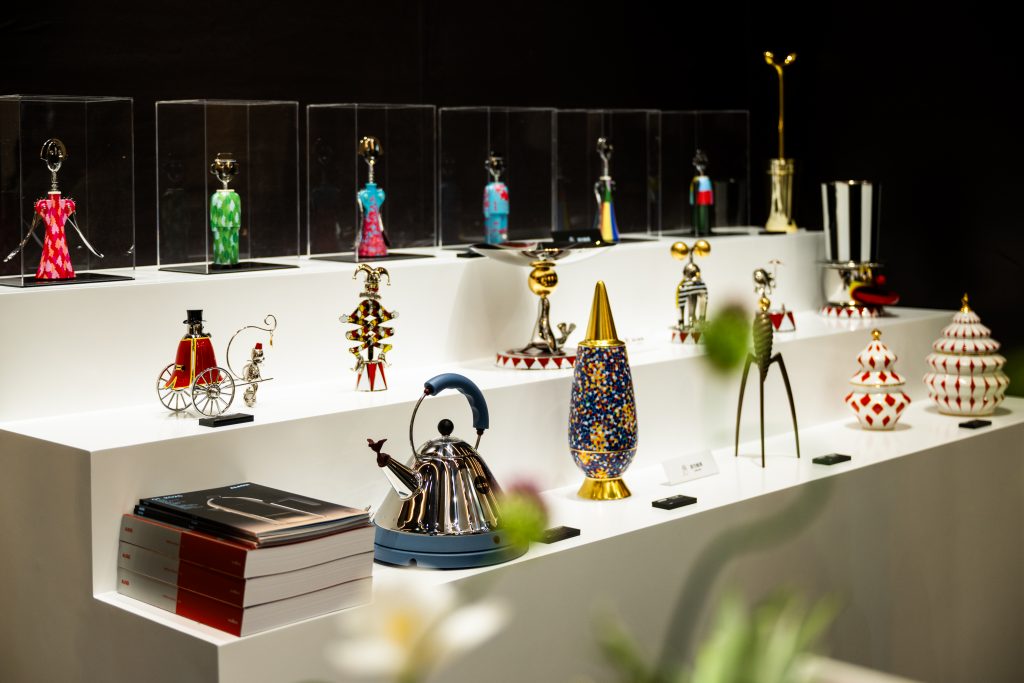
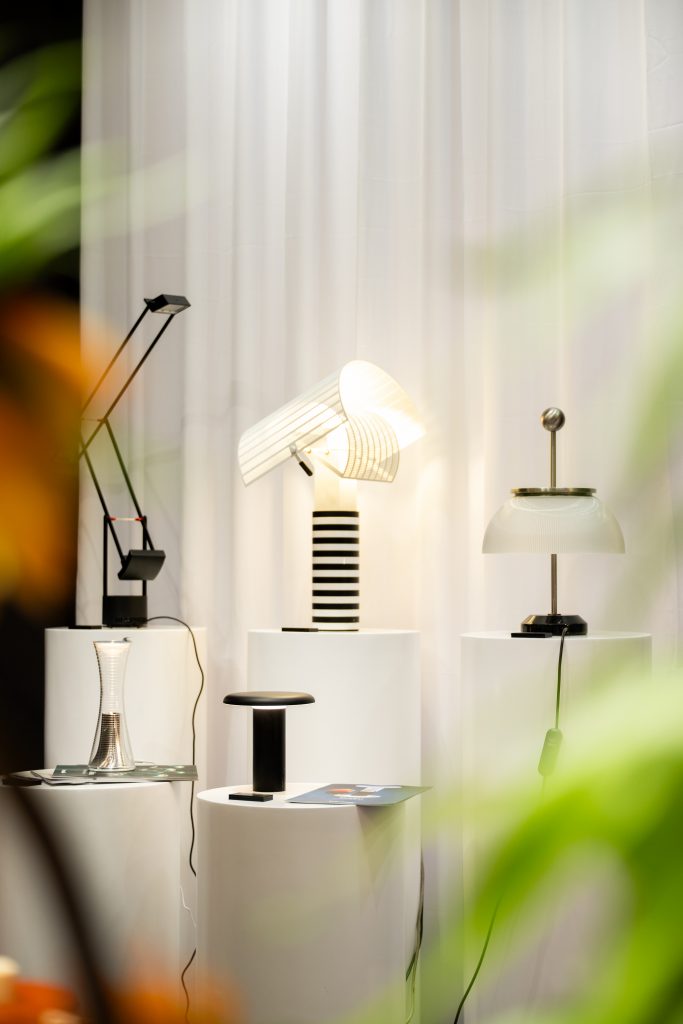
At this prestigious event, leading Italian brands such as Alessi, Artemide, Technogym, Dedar, Glas, Sowden, Stilnovo, L&S Lighting, Tassani, Secco, Mapei, Novacolor, Zenith, C&C Milano, and Casa Brava showcase their excellence. They’ve chosen Shanghai to unveil new products, collaborations, and exclusive collections, engaging with over 500 brands from 20 countries participating in Design Shanghai 2026. Zhuo Tan, Show Director of Design Shanghai, emphasizes the event’s long-standing impact: “For 13 years, Design Shanghai has championed contemporary design across China and Asia, fostering a dynamic creative era. It’s inspiring to witness so many exceptional designers and artists contributing to this momentum as Asian design confidently establishes itself on the global stage.”
Special Sections: Emerging Talents and Traditional Craft Practices
Exploring Design Shanghai’s special sections provides a comprehensive 360-degree overview of materials, craftsmanship, and new design directions. The journey begins with TALENTS, a section dedicated to supporting and globally showcasing the next generation of designers (those under 35). Frank Chou, the section’s curator, explains, “Product designers have long played a pivotal role in shaping cultural consensus. From initial environmental considerations to critiques of consumerism, many ideas have originated within the design discourse itself. TALENTS aims to stimulate broader cultural reflection. ‘Time’ here refers not only to chronology but also to an era, personal experience, and macro-narratives. We hope to consider time as an important yet often overlooked design material—capable of revealing how design records its own era and the meaning and value it carries over time.”
Made in JDZ, a special program curated by designer Ryan Ran, explores the intersection of contemporary design and traditional craftsmanship by bringing together ceramics, metalwork, and lacquer art. Ran highlights its distinct focus: “Traditional craft exhibitions often emphasize the technical mastery of the craft itself, whereas Made in JDZ focuses more on an attitude: how craftsmanship can sustain, regenerate, and integrate into daily life. Our goal is to present contemporary expressions from Chinese designers, artisans, and brands rooted in traditional craftsmanship. It sounds simple, but striking the right balance is extremely challenging.”

Beyond Craft, launched in 2024, delves into the beauty of Asia through its materials and artisanal practices, emphasizing the contemporary relevance of traditional craftsmanship. This initiative demonstrates how techniques inherited from the past can evolve and flourish within today’s design landscape. The 2026 exhibition will feature creations from over ten brands, spanning categories such as jewelry, objects, furniture, precision components, and optical devices.
Finally, the Collectible Design & Art section showcases an exceptional selection of limited-edition works that foster a dialogue between art and design in their most expressive forms. It features contributions from Hugo Design (UK), ES ART Society (Russia), BRIGS (Russia), Mingyu Xu Studio (China/UK), Natura Accessories (Russia), Zeto Art (France), and Jaipur Rugs (India), each offering a distinct perspective within this global conversation.