

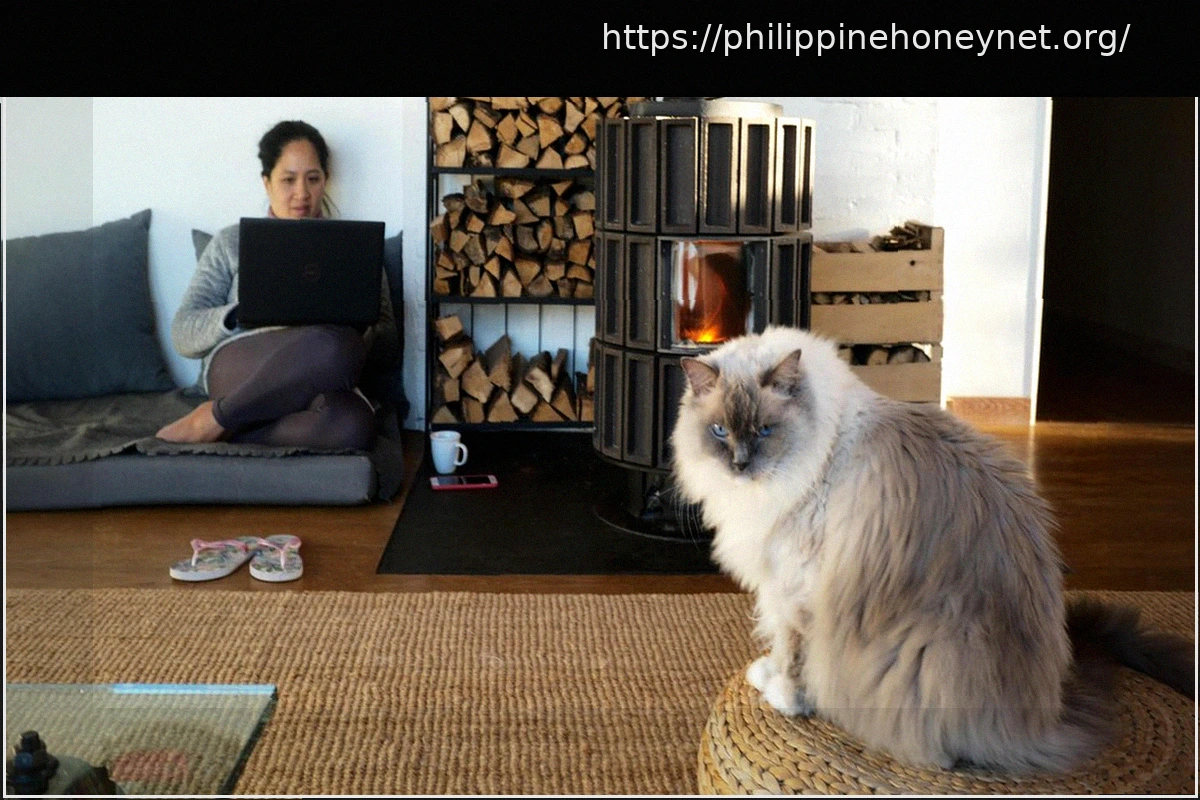
Companies are increasingly concerned about productivity in the home office and are considering tools like Microsoft Teams to monitor employee presence. The fear of “ghost hours,” where employees feign activity, is widespread. However, experts point out that private activities also occur frequently in traditional offices, suggesting that blanket surveillance may not be justified.
A representative study (Timo, 2024) involving 1,000 employees and 373 employers reveals that 87 percent of employees accurately record their working hours. Only 13 percent admit to occasional inaccuracies. While 70 percent of employers have detected false time entries, these were mostly isolated incidents rather than a mass phenomenon. Notably, about seven out of ten employees, regardless of their work location, occasionally handle private matters during working hours. Although modern aids like “mouse jigglers” can facilitate deception, their actual prevalence as systematic fraud remains unclear.
Time theft can be costly for companies and lead to legal consequences, including termination, especially in cases of intentional misconduct. Courts often apply stricter standards for home office setups, as employers are particularly reliant on trust in such environments. Nevertheless, legal rulings distinguish between negligent incorrect entries and deliberate deception.
Another study (Bavarian Research Institute) confirms that 39 percent of Germany’s workforce occasionally works from home. Among home office users, 30 percent report regularly attending to private matters during work, compared to 22 percent of office workers. Concurrently, home office employees more frequently report “sitting out time” in the office. This suggests that idle or waiting periods exist in both work environments and are utilized differently.
The motives for inaccurate time tracking are often complex. One-third of respondents use it to compensate for unpaid overtime, while others cite family obligations or frustration with working conditions. Workplace psychologists describe such behavior as “a small revenge” rather than mere laziness.
In conclusion, while time theft does occur in the home office, there is no evidence of a widespread problem that would justify general surveillance. On the contrary, studies often indicate that remote work can lead to longer hours and an “always-on” culture. Companies should shift their focus from measuring minutes to valuing results and setting realistic goals. Trust is crucial in this context, but clear rules are equally important. Permanent monitoring is unlikely to solve organizational challenges; instead, it may erode trust and hinder effective work design.