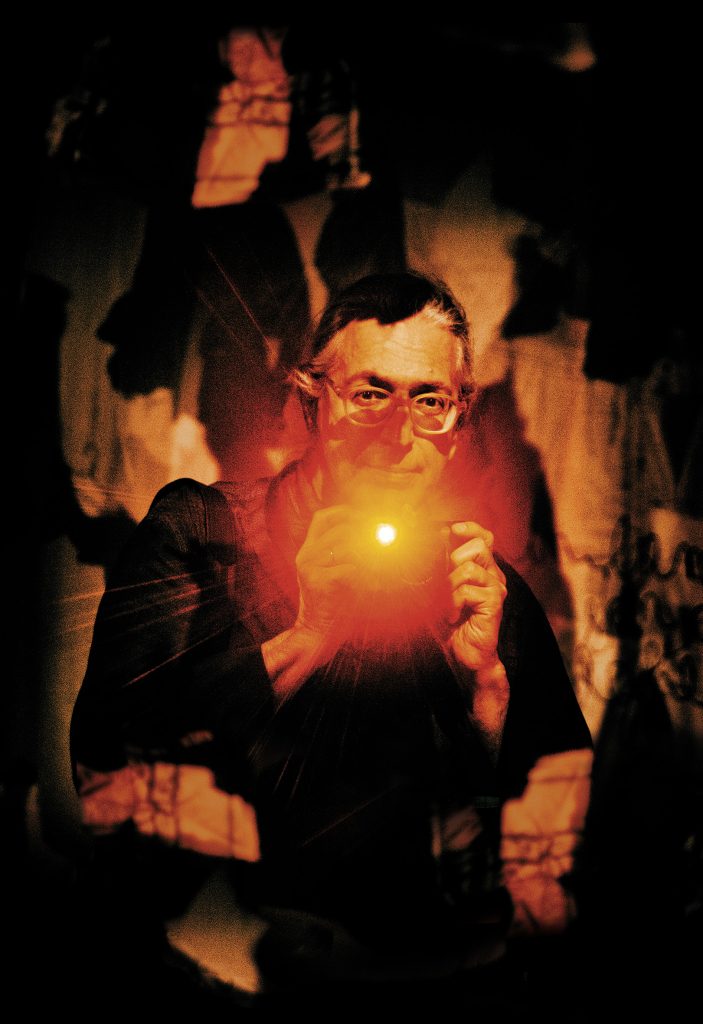


A “white noise” has resonated through the last fifty years of pop and auteur culture: an electric hum of active amplifiers, silent moments in recording studios, and candid glimpses captured in the intimacy of dressing rooms. Guido Harari has deciphered this sound, transforming it into a visual symphony that not only documents but resonates with the soul of the subject and the observer alike. From March 27, the Basilica Palladiana in Vicenza sheds its role as a cold, monumental container to become a gigantic soundboard. The exhibition Guido Harari. Incontri. 50 years of photographs and stories arrives in the Salone dei Cinquecento with the vibrant energy of a living, full-volume retrospective.
For Harari, his connection to music is not merely a biographical or thematic detail, but a fundamental “grammar of sight.” While his beginnings in the 1970s kept pace with visceral rock, today his photography has become layered, almost jazzy in its ability to improvise on the relationship with others.
“Music is always there,” explains the artist, “because body language, gestures, the rhythm of words—they are all music. Every portrait is born from mutual listening: everyone is perceived and narrated as if they were rock stars, invited to enter into a live, physical, intense relationship.”
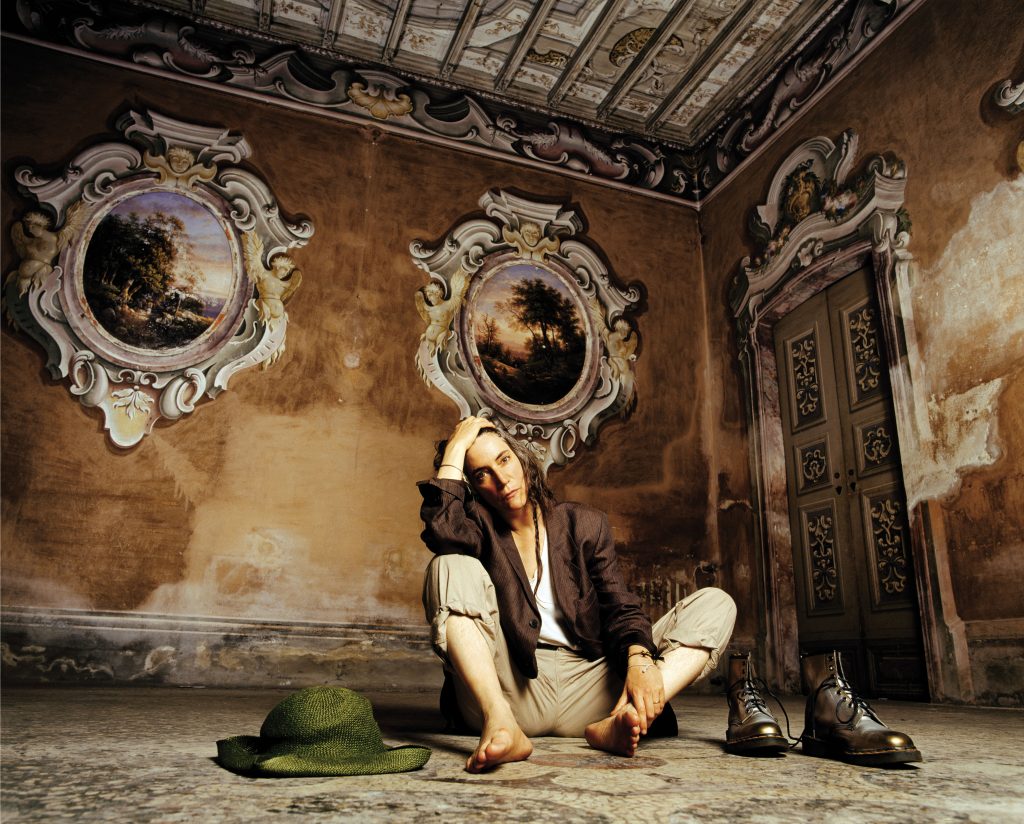
Harari’s Secular Pantheon Amid Palladio’s Vaults
The exhibition design, curated by architects Giorgio and Giulio Simioni, brings together over 300 photographs, installations, memorabilia, and original films by Harari. The journey culminates in a captivating “Pantheon”: 24 large-format images suspended in the air, secular icons floating between Palladio’s arches.
In this visual score, hierarchies dissolve: the guiding image of David Bowie – a necessary tribute ten years after the White Duke’s passing – converses with the intensity of Fabrizio De André, the profound wisdom of Margherita Hack, the determination of Greta Thunberg, or the genius of Ennio Morricone. Despite the fame of the depicted figures, these portraits are conceived as spaces of proximity, where celebrity gives way to the unique essence of the human being.
The experience is further intensified by an audioguide narrated by Harari himself: a logbook that transforms the visit into an intimate narrative, a stream of consciousness revealing the background story of each encounter.
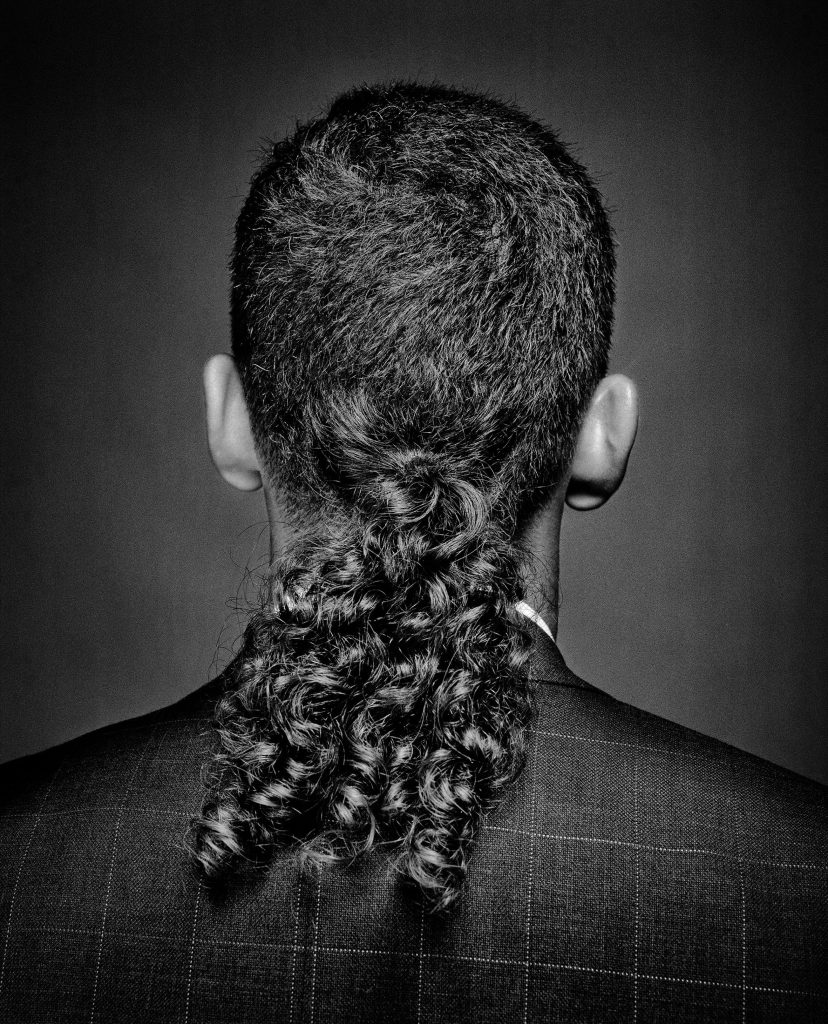
Engaging with Context and the Present
Notably, the exhibition also embraces its host region. A collaboration with the thirtieth anniversary of New Conversations – Vicenza Jazz (May 2026) contributes a series of previously unseen shots dedicated to jazz giants, forming a cultural bridge between image and the “blue note.”
But the true pulsating heart of the initiative is the so-called Magic Cave (Caverna Magica), where Harari re-establishes the photographic set as a relational device and a space of truth. By booking in advance, anyone can cross the threshold of the set and be portrayed by the artist. Harari describes this act as “sabotaging superstructures”: ordinary people enter without a script, reclaiming a real presence. These faces will not remain confined to an archive but will form Eyes of Vicenza (Occhi di Vicenza), an exhibition within the exhibition that will organically grow on the exterior walls, transforming the Basilica into a true agora where the boundary between spectator and artwork becomes porous and indistinct.