

Caravaggio. Centuries have passed since his death, yet his art continues to speak to us with an unstoppable force. If his work appears extraordinary today, it’s natural to wonder what it was like to truly encounter him, to live in his time, and witness the birth of such a revolutionary painting style. It is certain, however, that his presence was not overlooked. He left a profound mark, inspiring other artists to view the world through his eyes and to build a new artistic vision based on his revolution.
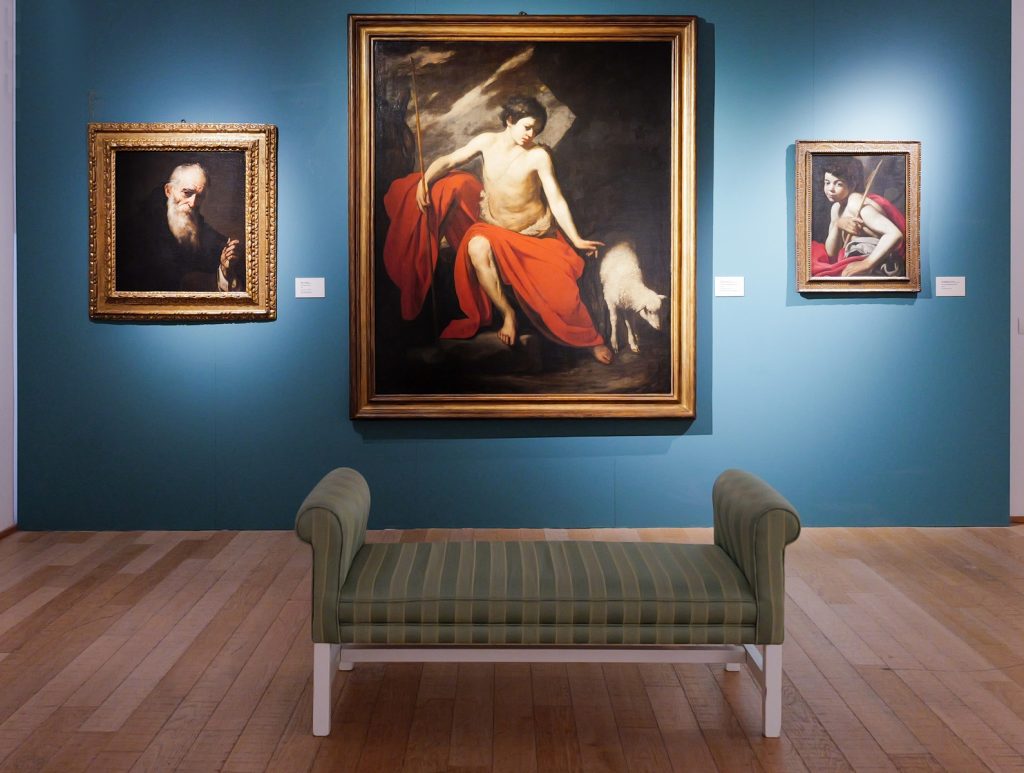
This artistic evolution is currently showcased not in Naples, but in Forte dei Marmi, where the Pietro Leopoldo I Fortress, until September 27, 2026, hosts the exhibition “Painting in Naples after Caravaggio. The 17th Century in the De Vito Foundation Collection.” Promoted by the Municipality of Forte dei Marmi and Fondazione Villa Bertelli, in collaboration with the Giuseppe and Margaret De Vito Foundation, and expertly curated by Nadia Bastogi.
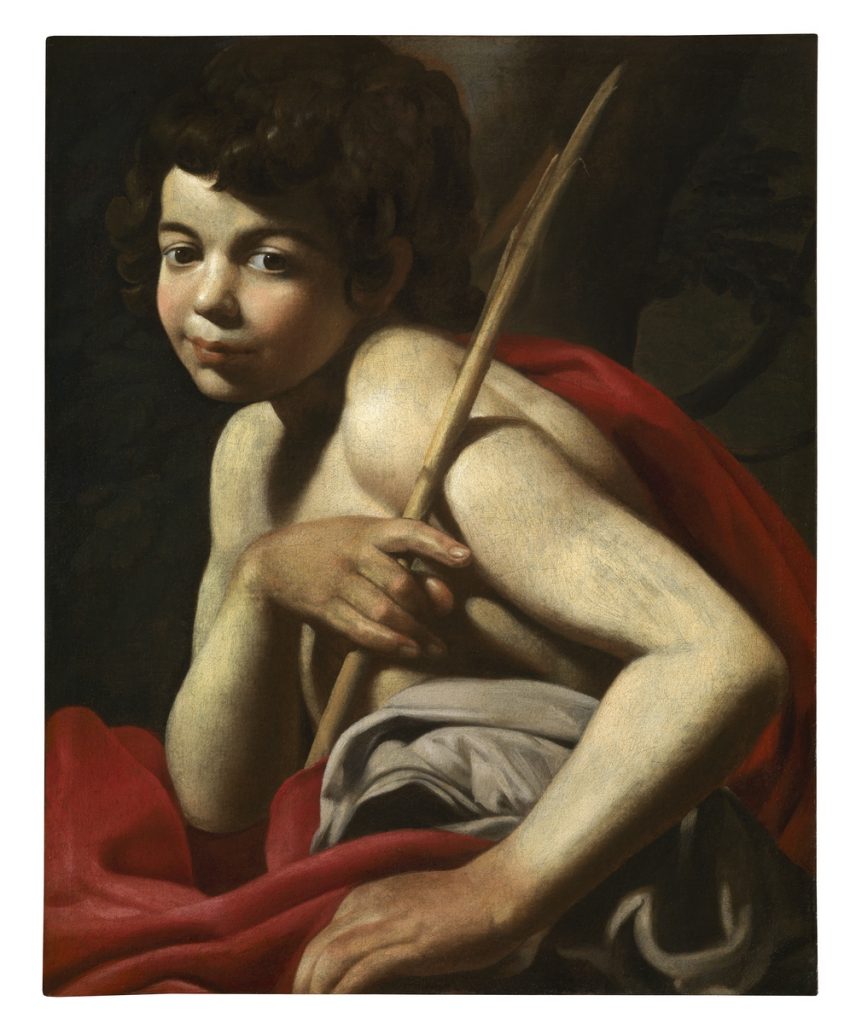
Thanks to the collecting passion of Giuseppe De Vito, we can better understand the developments in Neapolitan painting following the great artist’s impact. His collection has brought together masterpieces that narrate this pivotal period. The exhibition also dedicates a space to De Vito himself, where documents and materials reveal his work and his connections with museums, scholars, and galleries. Following successful showings in Dijon, Aix-en-Provence, and Naples, a significant portion of the collection is now displayed in Tuscany for the first time. Only a few pieces had been previously seen in the “After Caravaggio” exhibition in Prato, which was unfortunately cut short by the pandemic. The exhibition does not aim to cover the entire Neapolitan 17th century but rather to trace its evolution after Caravaggio’s time in Naples. Even before entering, expectations are high, and crossing the threshold confirms they will be fully met. Figures, colors, and fabrics envelop the gaze, drawing the viewer in.
It feels like being pulled into a vortex where the distinction between the viewer’s perspective and that of the depicted subjects blurs. One feels small before such grandeur and perfection. Caravaggio’s imprint is clearly palpable; he passed this way. The light, shadows, poses, and gazes emanate a power that rivals that found in Merisi’s own paintings, a power the artists of that era masterfully adopted. It is often the details that capture the attention most profoundly. The exhibition’s layout, designed by architect Marco Francesconi, follows a chronological order, illustrating the emergence of new genres and themes connected to Neapolitan culture and religious devotion. As one moves through the rooms, the sensations intensify. Standing before Mattia Preti’s Deposition of Christ from the Cross, one truly feels the weight of the Lord’s body. The effort and strain of Joseph of Arimathea supporting Him, the suffering in Saint John’s eyes, and the piety in Magdalene’s gestures are deeply moving.
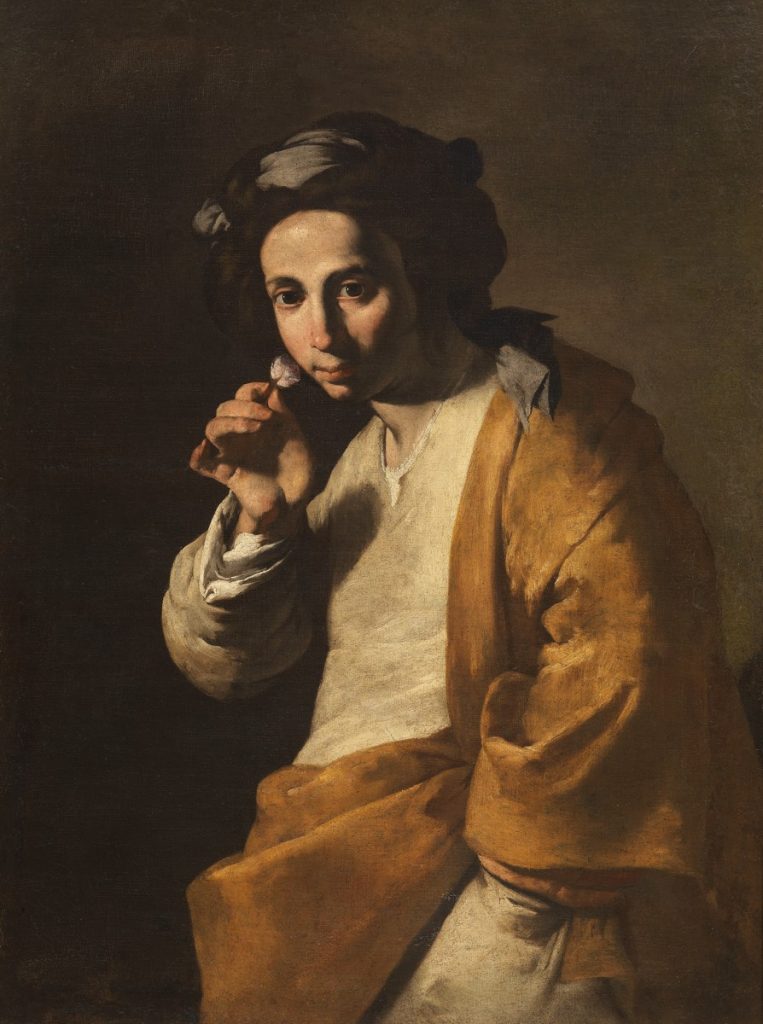
A little further on, Giovanni Ricca’s Martyrdom of Saint Ursula depicts a dramatic scene that strikes and disorients. The saint is destined to suffer terrible tortures, yet she wears a serene expression and a most gentle face. She is so beautiful that one could spend hours contemplating this marvel. While the work’s structure echoes the Caravaggesque model, the artist deviates in its chromatic rendering and expressive intensity, favoring a more personal sensibility. One cannot overlook an enigmatic work like the Maiden Smelling a Rose by the Master of the Annunciation to the Shepherds. Her gaze seems to pierce the canvas and reach the observer, as if inviting them to inhale the fragrance of the flower she delicately holds to her nose. Despite the title referring to a maiden, the figure’s features also suggest masculine traits and pose, making the painting even more captivating. Each room merits careful attention.
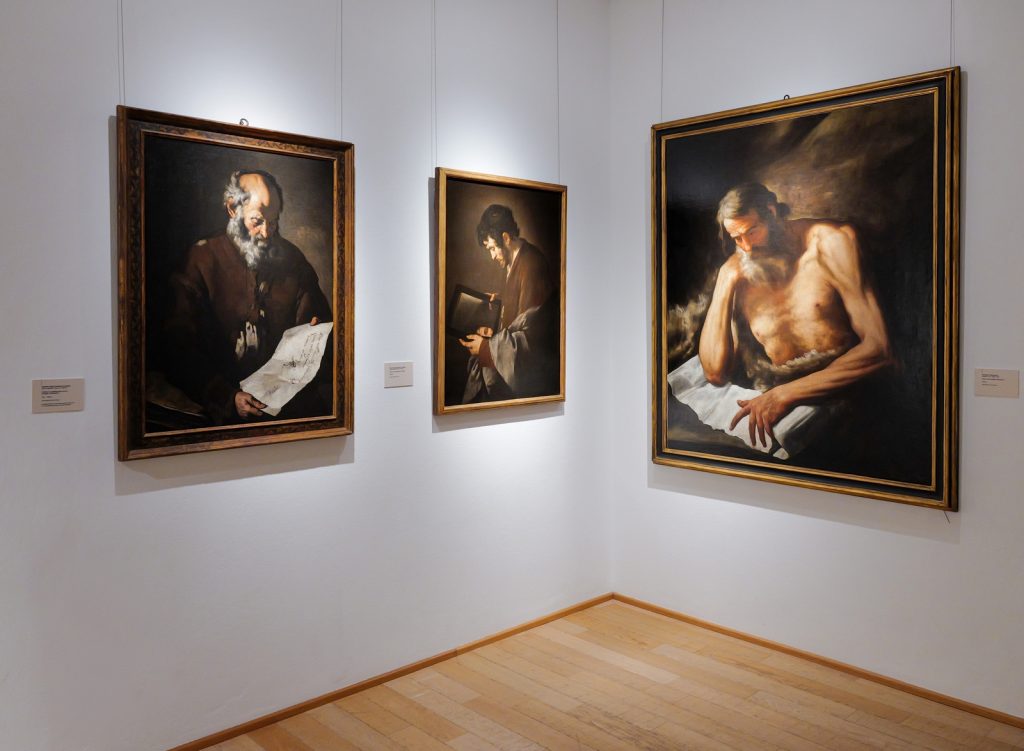
Within the exhibition, one can admire works of extraordinary beauty by significant masters such as Jusepe de Ribera and Giovanni Battista Caracciolo, known as Battistello, alongside many other artists of equal importance. This collection offers a rich and engaging experience. In the still-life section, various works are displayed, each with its own character. However, a small detail in Luca Forte’s Vase of Flowers captures attention: a tiny droplet resting on a petal. It appears clear and freshly fallen, almost tangible. It is here that the full power of painting and life is felt. Art is a language, and like all languages, it evolves with time and humanity. In the 17th century, a period of intense change, a figure like Michelangelo Merisi managed to imbue art with deeper meaning, making it more truthful and direct, opening new avenues. Caravaggio’s era was a time of intense experimentation, where imagery became closer to humanity and its emotions. This vitality resonates in the works exhibited and in the masters who embraced and transformed that legacy into something new, capable of speaking to the soul.
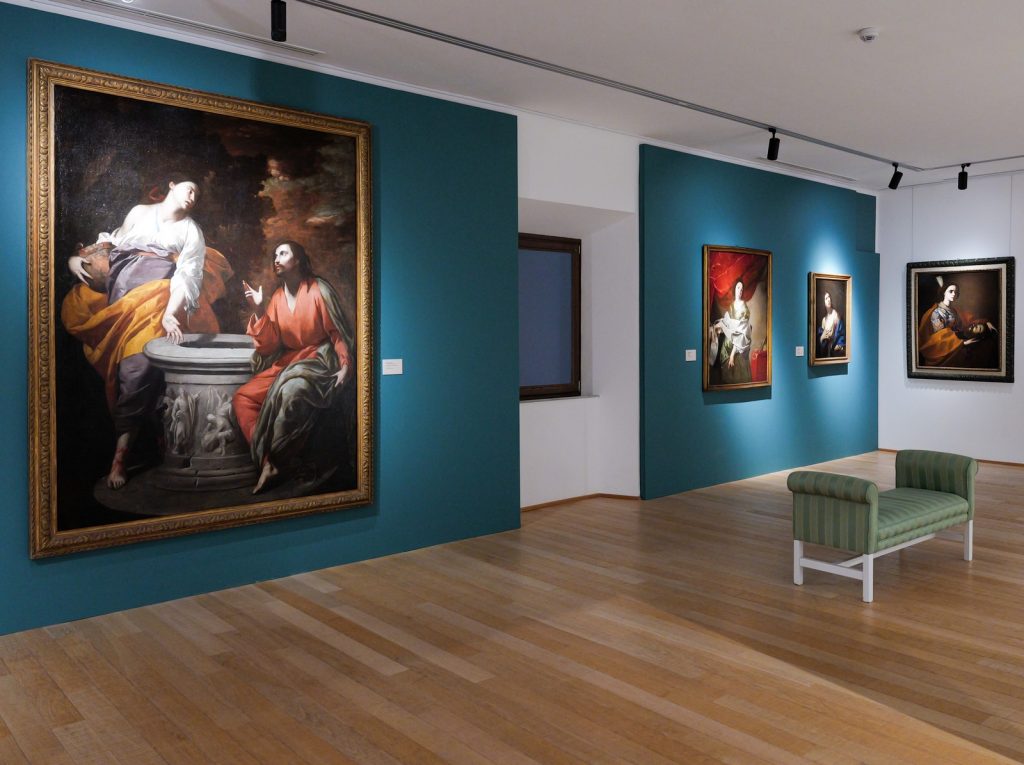
The exhibition, sponsored by the Ministry of Culture, the Tuscany Region, and the Province of Lucca, with the collaboration of the Superintendence for Archaeology, Fine Arts, and Landscape for the provinces of Lucca and Massa Carrara, is realized with the support of Mutua, Fondazione Banca del Monte di Lucca, and Live Emotion Group srl. The exhibition is accompanied by a catalog published by Pacini Fazzi.