

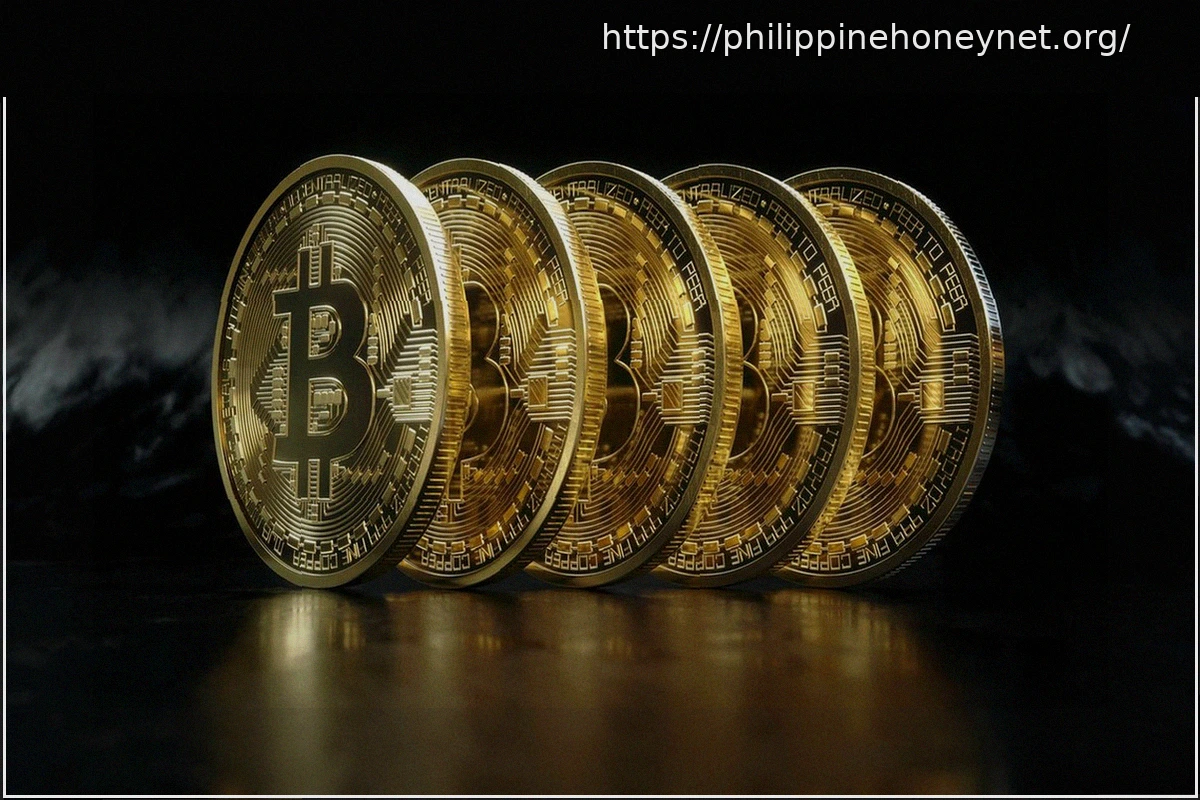
The Fear & Greed Index gauges market sentiment, indicating fear or greed. A higher reading often suggests a good buying opportunity, and Bitcoin has already hit this critical buying threshold.
The year 2026 has been marked by significant market shifts: the US’s Venezuela offensive in January, the software sector’s sell-off in February, and the Iran conflict in March. Each event rattled the markets. Yet, somewhat under the radar, and without a specific immediate trigger, Bitcoin experienced its own substantial sell-off. The digital currency is now more than 35 percent down from its record highs reached in autumn 2025 – undeniably a bear market.
Until recently, the prevailing narrative was that cryptocurrencies offered a quick and relatively effortless path to wealth. Bitcoin, Ethereum, and Solana were often touted as tickets to financial independence. However, the performance over the past twelve months has significantly sobered many crypto enthusiasts.
Over the last twelve months, Bitcoin has seen a 35 percent price drop when measured in Euros, and Ethereum’s performance is similarly bleak. Many smaller cryptocurrencies have been completely wiped out. Stocks in the same sector, such as Coinbase, have suffered substantial losses, and even the numerous crypto-themed ETFs launched in recent years, designed to track the performance of various companies in the blockchain space, are looking quite dismal.
This downturn isn’t necessarily due to a lack of interest, as demonstrated by the case of “Strategy” (likely MicroStrategy). “This is a very actively traded stock,” notes Thomas Soltau from Smartbroker. However, even this asset has experienced incredibly steep losses, plummeting from around $400 to just over $100. Investors are continuously scrutinizing whether and how long Strategy can maintain its business model amidst falling Bitcoin prices. So far, it appears to be managing.
Gold and Silver Compared to Bitcoin
The comparison between cryptocurrencies and precious metals like gold and silver paints an even more sobering picture when evaluating their returns. While silver prices corrected sharply in early February, plummeting 35 percent from their record highs of $115 USD in a single day, its twelve-month performance still looks exceptional. “Gold has also retreated from its record highs but remains significantly above its early 2025 levels,” state experts from Lynx-Broker.
In 2026, investors are increasingly favoring equities like Barrick Gold over Coinbase. A common narrative, especially among younger demographics, has been that cryptocurrencies would replace gold and, to a lesser extent, silver, platinum, or palladium as safe-haven assets in a portfolio. However, a direct comparison of these asset classes clearly underscores that Bitcoin is primarily a speculative instrument.
Long-Term Performance Versus Market Timing
The exceptional long-term performance of cryptocurrencies over a ten or fifteen-year horizon is undeniable. “Bitcoin, which was around $500 USD ten years ago, has multiplied its value significantly, even at its current $70,000,” says Lars Reichel from Gettex. However, Franz-Georg Wenner from Indexradar observes that the term “crypto winter” is well-deserved. Bitcoin has recently shed all gains accumulated since the inauguration of crypto-supporter Donald Trump.
Furthermore, most investors likely entered the crypto market within the last five years, making significant double-digit losses possible depending on their market timing. This highlights that successful investment and the construction of a stable portfolio can only be achieved through a well-balanced structure.
The Foundation of a Stable Portfolio
The foundation of a portfolio should never be cryptocurrencies alone, but rather a healthy mix of cyclical, defensive, and more volatile stocks, supplemented by bonds. Gold might comprise around five percent, while silver, platinum, or palladium could make up one to two percent. Cryptocurrencies, at best, should not exceed five percent of a portfolio, and at most ten percent. Beyond this, they are simply too speculative and have not yet proven their suitability for long-term wealth building over several decades.