

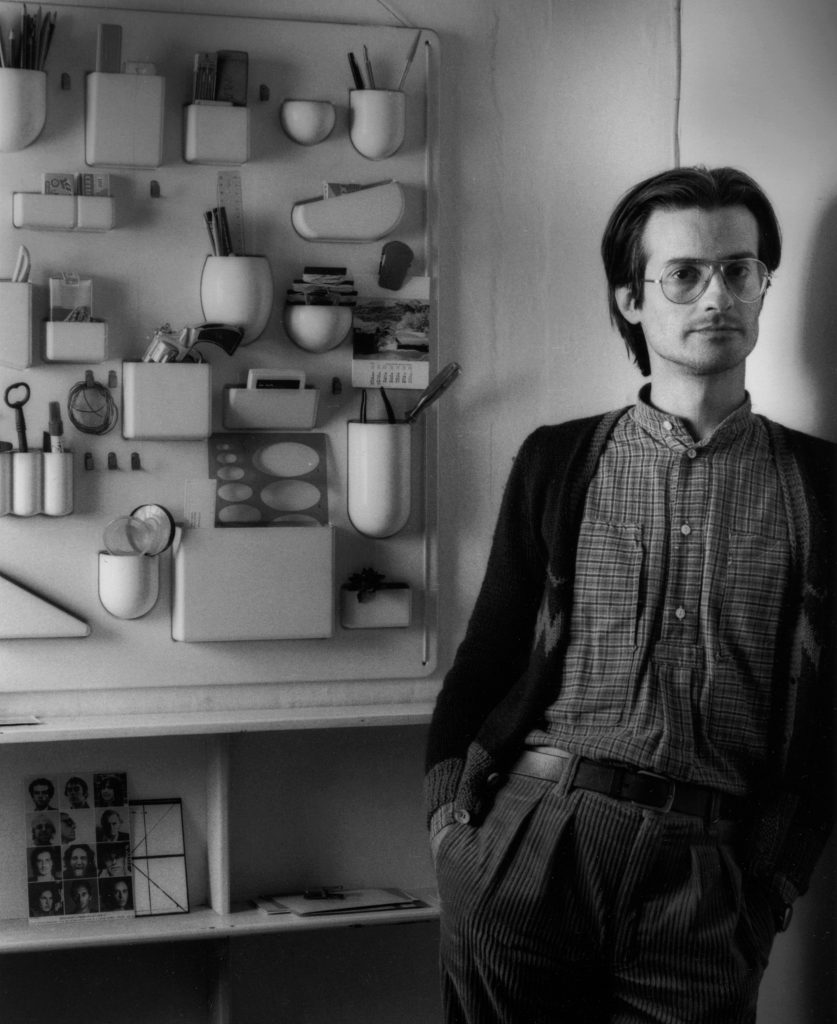
Photography serves as a silent witness, capturing the essence of art: the creative process, artists’ daily lives, and the interplay between artworks and their environments. Paolo Mussat Sartor’s photographs offer invaluable documentation of the key figures of Arte Povera, currently on display at Galleria Gracis in Milan with the exhibition “OBIETTIVO, ARTE POVERA. A Journey Through Art Since 1968” (until April 30th). This exhibition celebrates one of the most revolutionary movements in contemporary art and showcases not only photographs but also original artworks. These pieces, by artists like Giovanni Anselmo, Giulio Paolini, Giuseppe Penone, and Michelangelo Pistoletto, were given to Sartor as payment for his years of photographic documentation, eventually becoming part of his personal collection. Mussat Sartor began his photographic journey between 1968 and 1975 at Gian Enzo Sperone’s gallery in his native Turin, introduced by his friend Tucci Russo. It was there that he immortalized leading artists of that “golden age” of creation, including Luciano Fabro, Eliseo Mattiacci, Mario Merz, Jannis Kounellis, Giulio Paolini, Giuseppe Penone, Emilio Prini, Michelangelo Pistoletto, and Gilberto Zorio. His approach was that of an impartial observer, seeking to convey the conceptual idea of the artwork, its relationship with space and materials, and the entire creative process, rather than just the final product.
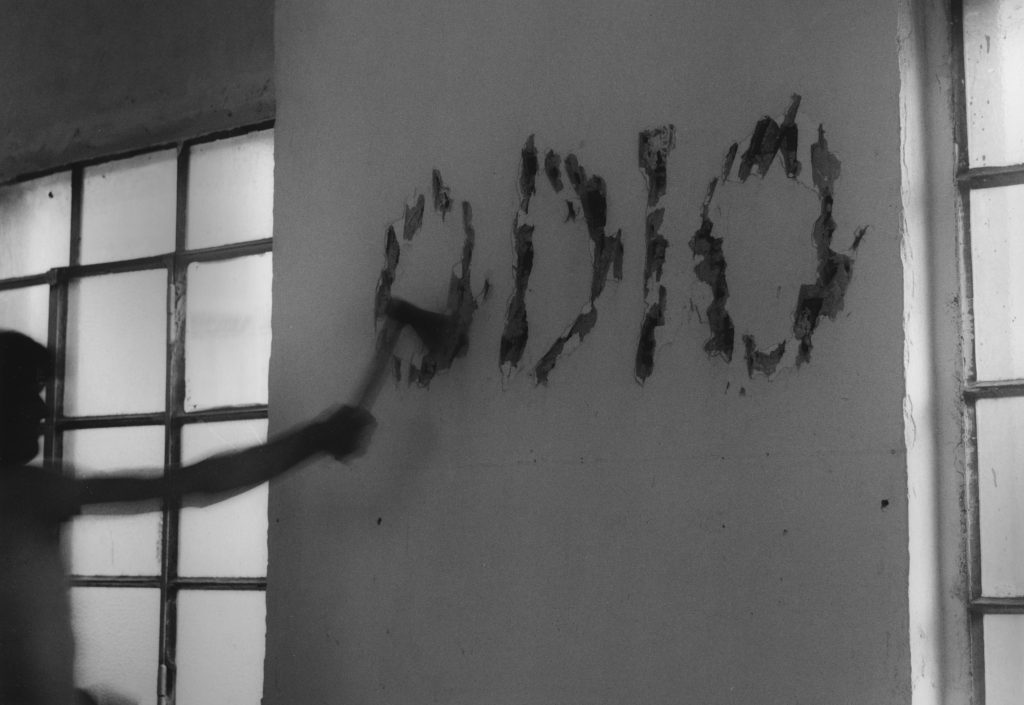
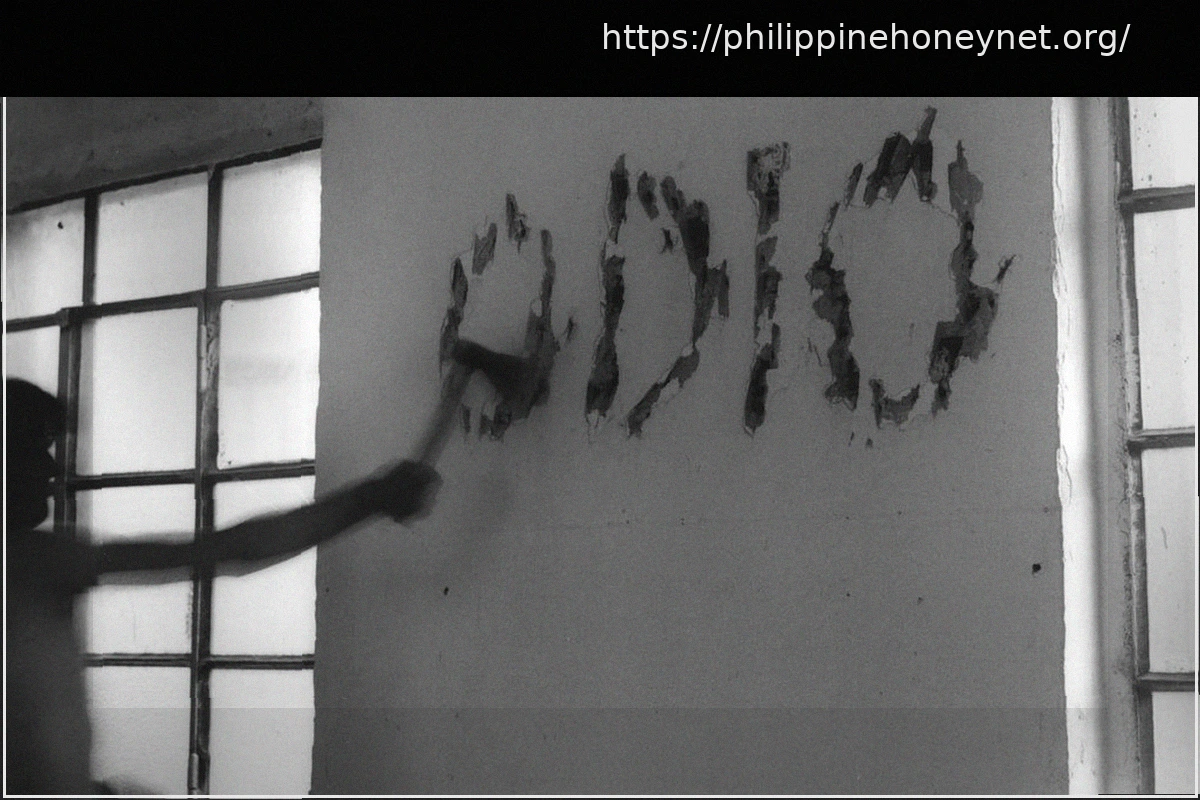
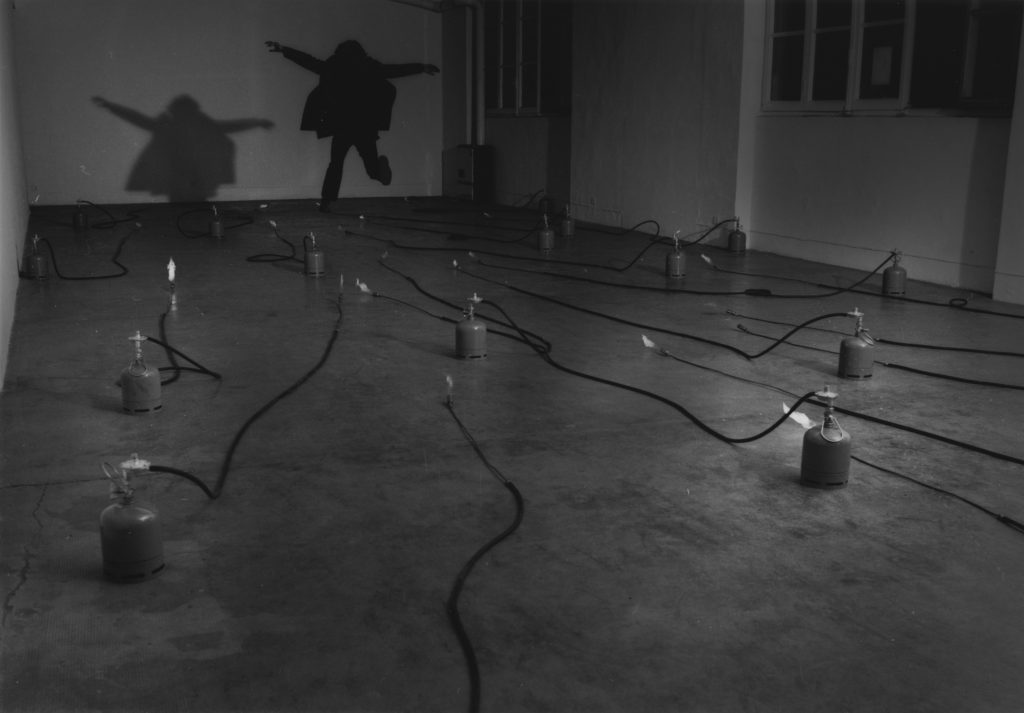
Mussat Sartor’s vast photographic archive provides invaluable documents for understanding that crucial period, the dynamics between artists and gallerists, and the evolution of artworks that have become historical milestones. His photographs are also vital because many Arte Povera creations utilized ephemeral or perishable materials, making photographic documentation often the sole lasting record. Mussat Sartor himself describes his approach: “My photography was ‘reasoned,’ aiming to reflect the intrinsic idea of the work. This principle guides all my shots, from portraits to landscapes: I respect the subject, always seeking a dialogue, even if only mental, with what I photograph. I strive to understand without sensationalizing, without distorting, without pushing beyond.” The exhibition features thirty iconic shots that, while not telling the entire saga of Arte Povera as defined by Germano Celant, capture nearly legendary moments. Among them is Alighiero Boetti’s “Oggi è venerdì ventisette marzo millenovecentosettanta” (Today is Friday, March Twenty-Seventh, Nineteen Seventy), which explores the relationship between language and time through a date written out in full. Jannis Kounellis is represented by a photograph of “Fuochi” (Fires), one of his installations exhibited at Galleria Sperone in 1970, where real flames emerged from metal tubes laid on the floor, replacing color in drawing on the gallery wall. Gilberto Zorio is captured writing the word “Odio” (Hate) on a wall for his work “Odio su muro” (Hate on Wall), an act combining material and chemical action with a physical event.
Among other significant works captured, Luciano Fabro’s “Lo spirato” (The Deceased) stands out, described by the artist as a sculpture where the sheet retains the body’s form, though the body itself is absent, symbolizing the presence of an absence. Another masterpiece is Giovanni Anselmo’s “Torsione” (Torsion), presented in 1969 at the Sonnabend Gallery in Paris, a crucial venue for disseminating Arte Povera internationally. In this work, fabric is twisted and held between two blocks, generating palpable physical tension. The collection also includes numerous portraits, notably a very rare one of Gino De Dominicis, known for his aversion to being photographed, here with his face framed by a television screen at Documenta V in Kassel in 1972. Also featured are Giulio Paolini in his Turin studio, the English artists Gilbert & George with Gian Enzo Sperone and Giulio Paolini at Galleria Sperone in Turin, Mario Merz portrayed in Agliè, Michelangelo Pistoletto, Jannis Kounellis, Giovanni Anselmo, and Giuseppe Penone.
To offer a broader perspective on Mussat Sartor’s work, Galleria Gracis is also exhibiting the previously unseen series “Viaggi” (Journeys). These images, captured from inside his car between the 1970s and 1990s using a pocket-sized Minox camera he always carried, document the landscapes and scenes encountered during his travels across Europe to photograph exhibitions and artists. They serve as a visual diary of his nomadic spirit in art. However, the comprehensive study of this prolific and curious artist is still in its early stages. Over 50 years of activity, Mussat Sartor has produced thousands of photographs that promise to reveal endless new perspectives on contemporary art, pages one would wish never to end.