


Rome is set to witness a significant urban regeneration project focusing on public space, architecture, and landscape. The MAXXI – National Museum of 21st Century Arts has commenced construction to transform Piazza Alighiero Boetti into a predominantly green, accessible, and integrated space within the Flaminio district by summer. Designed by renowned landscape architect Bas Smets, this initiative is part of the broader ‘Grande MAXXI’ masterplan, which includes extensive expansion and redevelopment of the entire museum complex. A public presentation of the project, alongside other ongoing interventions in the area, is scheduled for March 17th at 6 PM in the museum’s Auditorium.
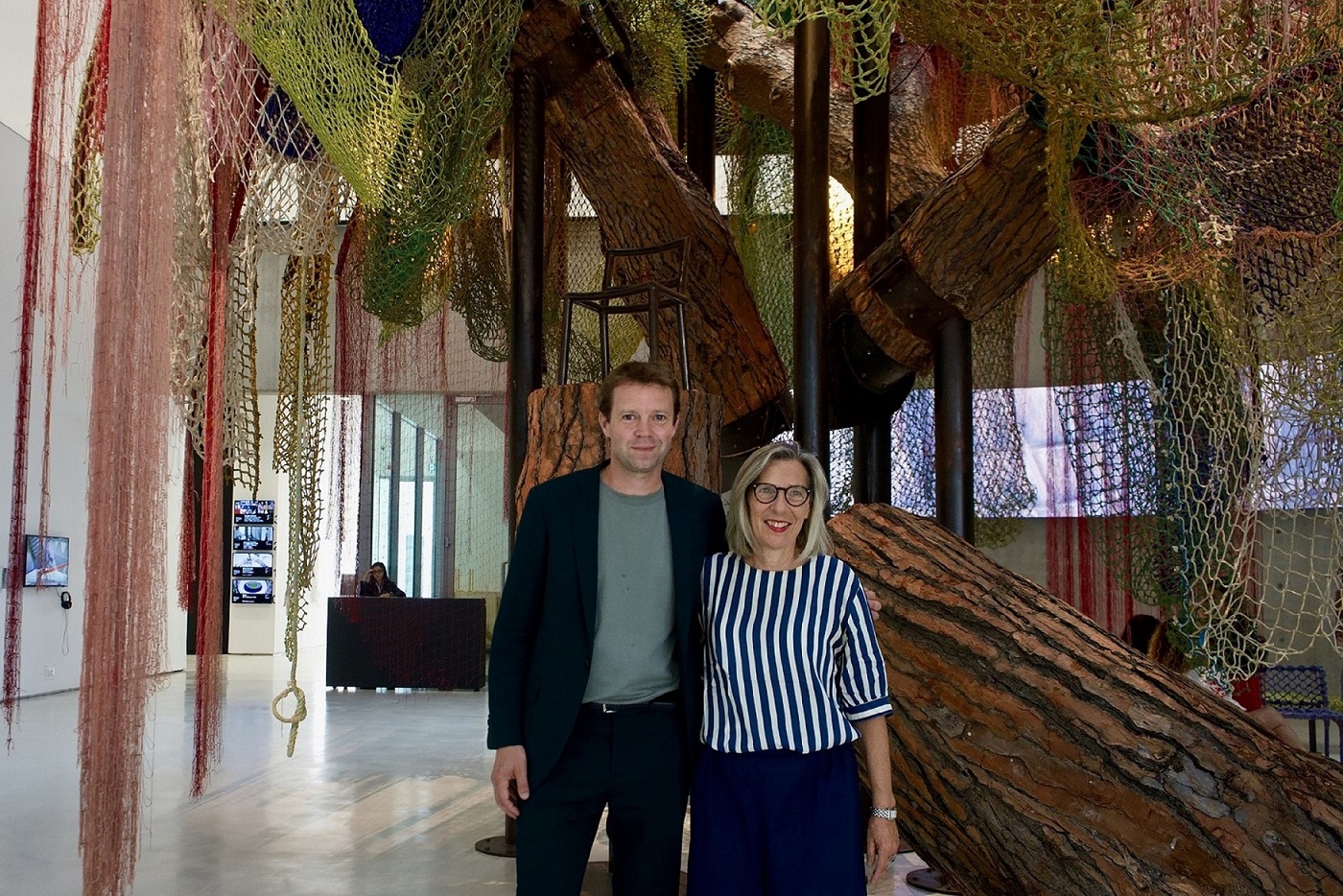
Born in 1975, Bas Smets is a Belgian landscape architect recognized as one of the leading figures in contemporary design. With a background encompassing architecture, civil engineering, and landscape design, he established his Brussels-based studio in 2007. Since then, his firm has completed over 50 international projects, including the Parc des Ateliers in Arles, Thurn & Taxis Park in Brussels, and urban interventions in Paris, London, and Tirana. In 2022, he won the competition to redesign the public space surrounding Notre Dame Cathedral in Paris. His work emphasizes the role of landscape as an environmental infrastructure capable of creating mitigated microclimates, thereby contributing to the ecological transition of cities.
Smets’ new project targets one of the most frequented areas of the museum complex, originally designed by Zaha Hadid. It’s conceived as an environmental reconversion that significantly reduces paved surfaces, replacing them with a diverse plant system. The new piazza will see its green areas triple through the introduction of trees, shrubs, and herbaceous species, aiming to improve the local microclimate and enhance the space’s usability year-round.
The landscape design incorporates typical Mediterranean flora, such as holm oaks, strawberry trees, myrtles, and maples, alongside existing prominent features like the large linden tree. Trees will be concentrated particularly along Via Guido Reni, helping redefine the museum’s entrance. Towards Via Masaccio, the row of poplars envisioned in Hadid’s original design will be re-established. Additional elements like jacarandas and Aleppo pines will introduce seasonal and chromatic variations, enriching the space throughout the year.
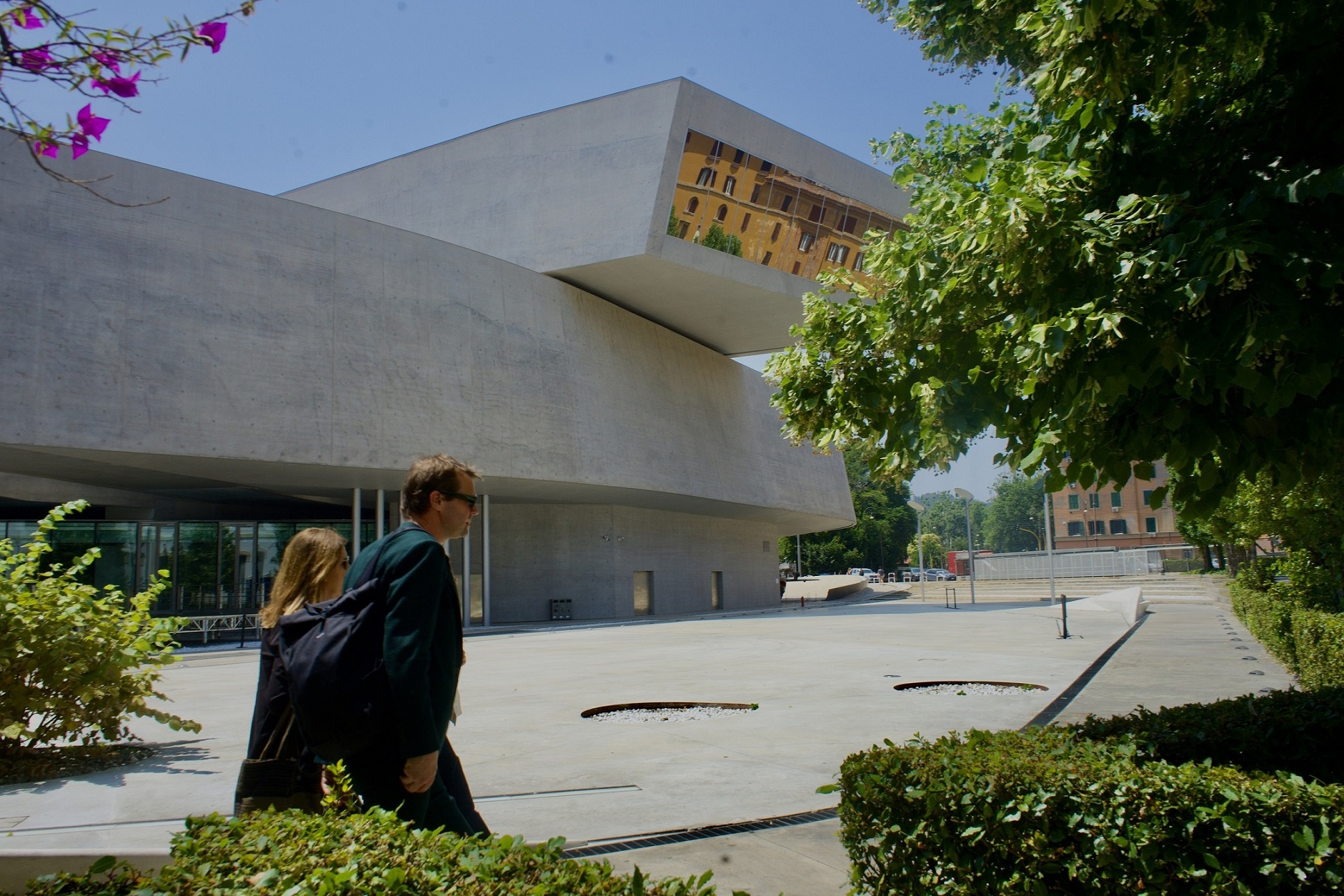
A more open area will remain at the heart of the piazza, designed as a gathering point and a flexible setting for events, installations, and public activities. The overall configuration aims to maintain continuity with the fluid lines of the existing architecture, softening its perception through the integration of greenery.
The piazza is envisioned as both an ecological and cultural infrastructure. The newly introduced trees will help mitigate urban heat islands, improve air quality, and regulate local climatic conditions.
The project’s presentation will also provide a broader overview of other ongoing interventions within the Flaminio district. These include the refurbishment of the Galleria Nazionale d’Arte Moderna e Contemporanea’s Cosenza Wing, entrusted to Mario Botta, and the regeneration project for the external areas of the Auditorium Parco della Musica, designed by Alvisi Kirimoto studio.