

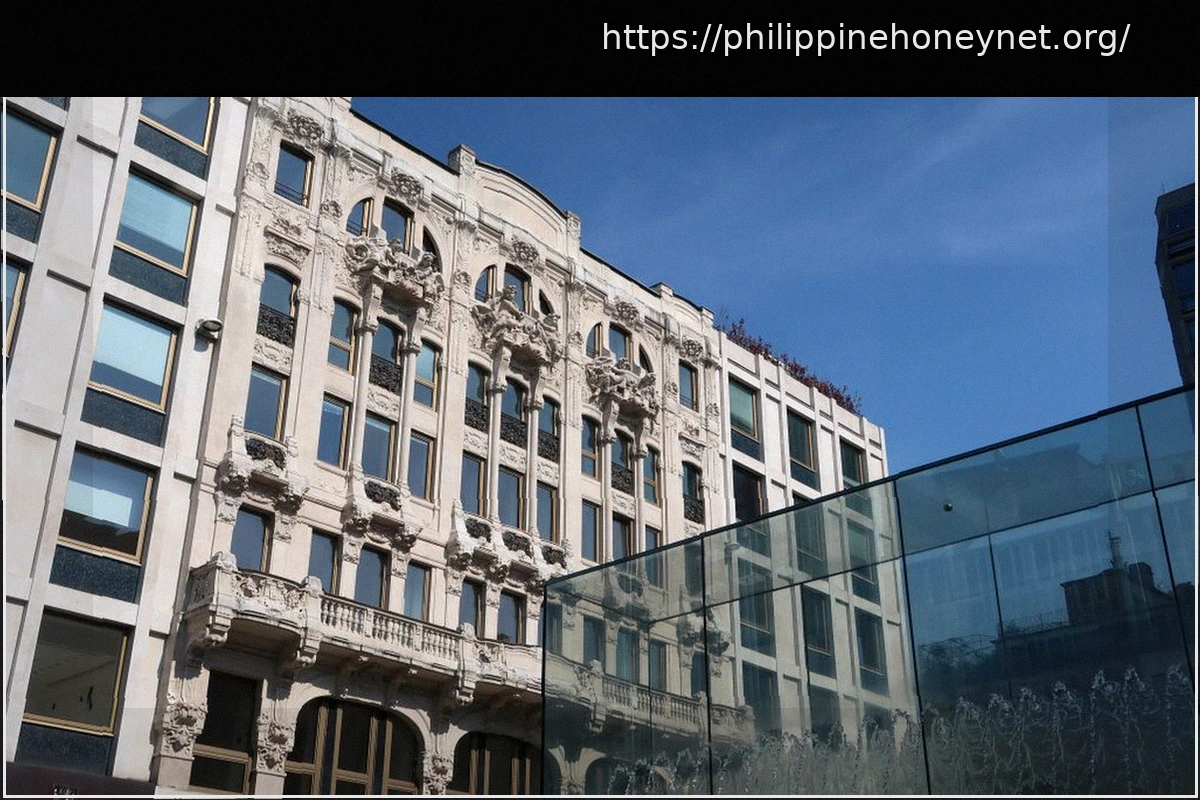
Ad Artem’s ‘ScopriMI’ project, featuring a series of experiential tours, officially launches tomorrow, March 28th. Organized with the patronage of the Municipality of Milan and the Metropolitan City of Milan, this initiative aims to reveal new facets of the city.
The ScopriMI Project in Brief
The ScopriMI project serves as an invitation for both tourists and Milanese residents to explore the city with fresh eyes, uncovering hidden corners and intricate details that showcase its immense cultural richness. The primary goal is to make Milan’s artistic beauty and historical depth accessible to everyone, fostering a direct and participatory engagement with the city. It aims to promote heritage education without barriers, encouraging citizens to experience Milan as an open-air laboratory where memory and discovery converge.
A key feature of these tours is their interactive nature, moving beyond passive observation. Participants engage in a variety of interactive activities, workshops, and guided observation sessions designed to encourage a critical interpretation of the city. As emphasized by Culture Councillor Tommaso Sacchi, the initiative’s objective is to foster “conscious citizenship,” transforming cultural dissemination into a shared, hands-on experience.
The ScopriMI Itineraries
The program features nine distinct itineraries spanning Milan’s history, from its origins as Mediolanum, the capital of the Roman Empire, to the futuristic skyscrapers of CityLife. Tours begin by exploring the basements of ancient basilicas, allowing participants to reconstruct the Roman city plan like archaeologists, complete with excavation journals. Other routes delve into the power dynamics of the medieval Piazza dei Mercanti, examining the conflicts between factions and guilds.
Leonardo da Vinci’s genius serves as a springboard for exploring Renaissance creative methods in the “Leonardo, Court Genius – Hunt for Leonardo’s Secrets” tour. The 17th century of Manzoni is metaphorically “rewritten” by participants, who compare the prose of The Betrothed with the visible marks of contemporary Milan.
Significant attention is also given to the 20th century, presented in three segments. This includes exploring the Futurists’ use of light refraction – with special glasses to “step into” Boccioni’s Riot in the Gallery – and tracing the work of reporters documenting Milan’s transition from the economic boom to the Years of Lead. The journey concludes in present-day Milan, examining the architectural “giants” of Porta Nuova and the towers of CityLife not merely as structures, but as evolving ways of inhabiting public space.